
Last updated November 15, 2026
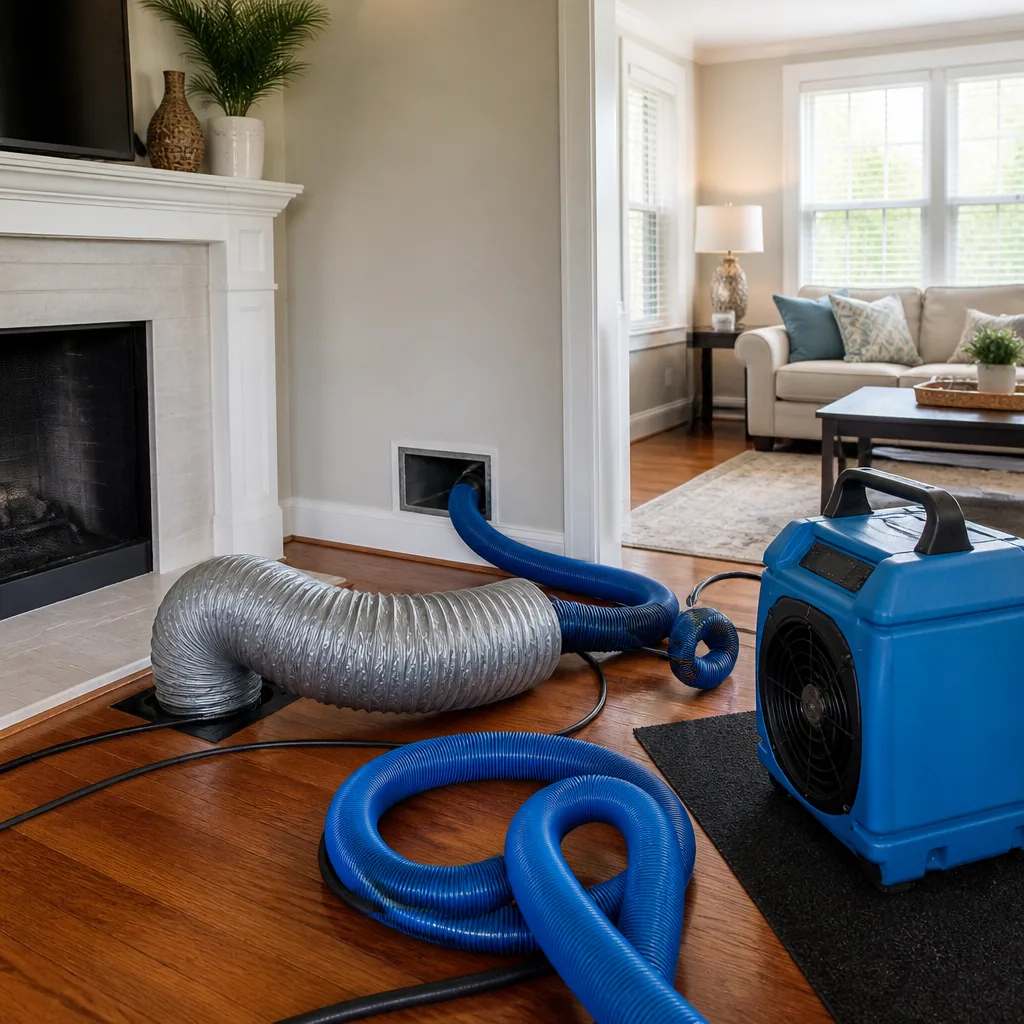 Whole-home duct cleaning
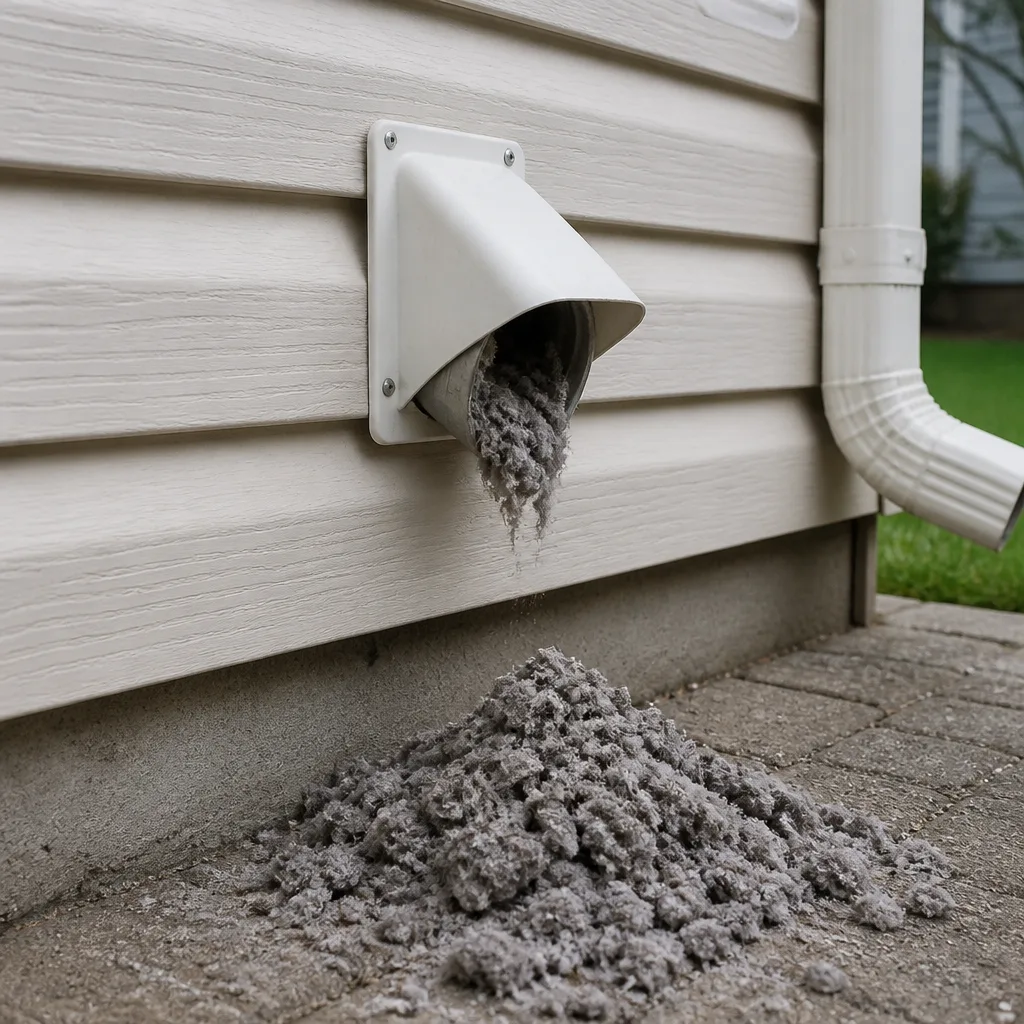 Dryer vent cleaning
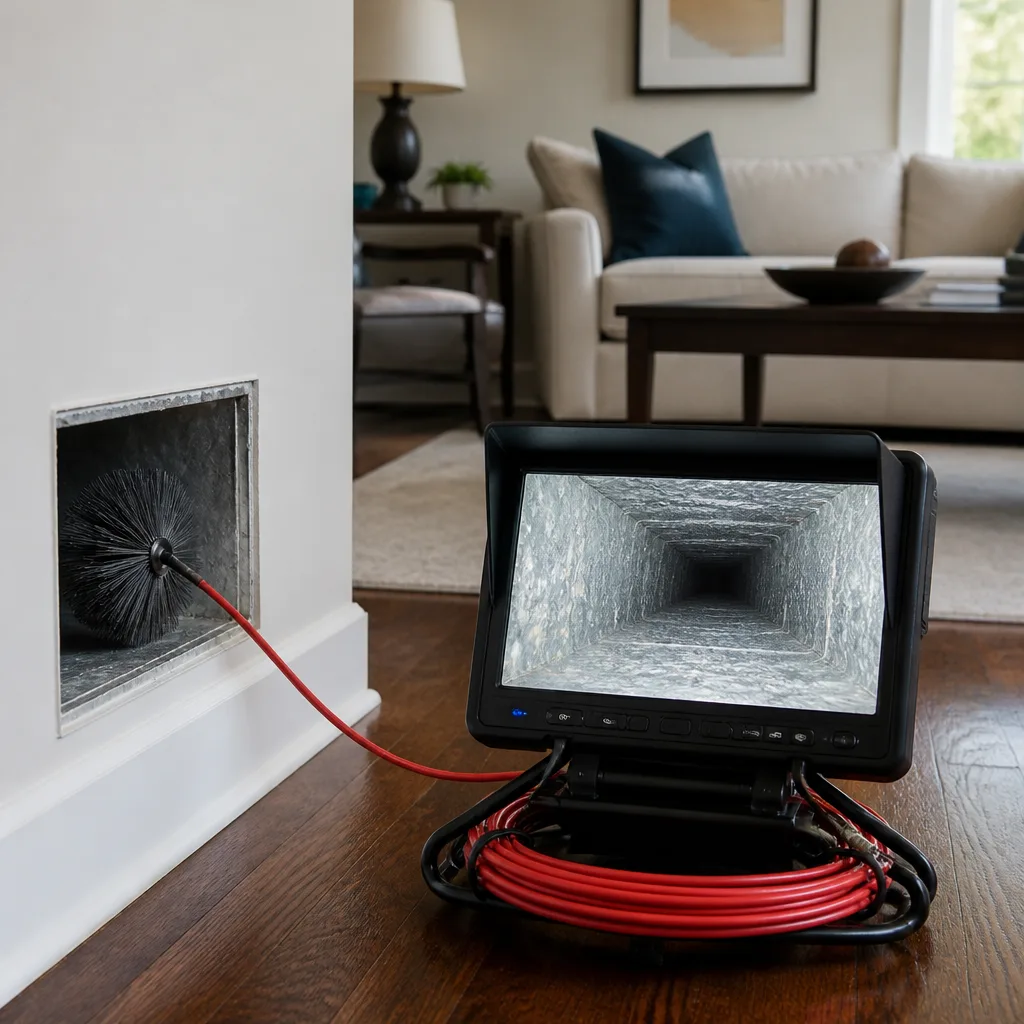 Camera inspection
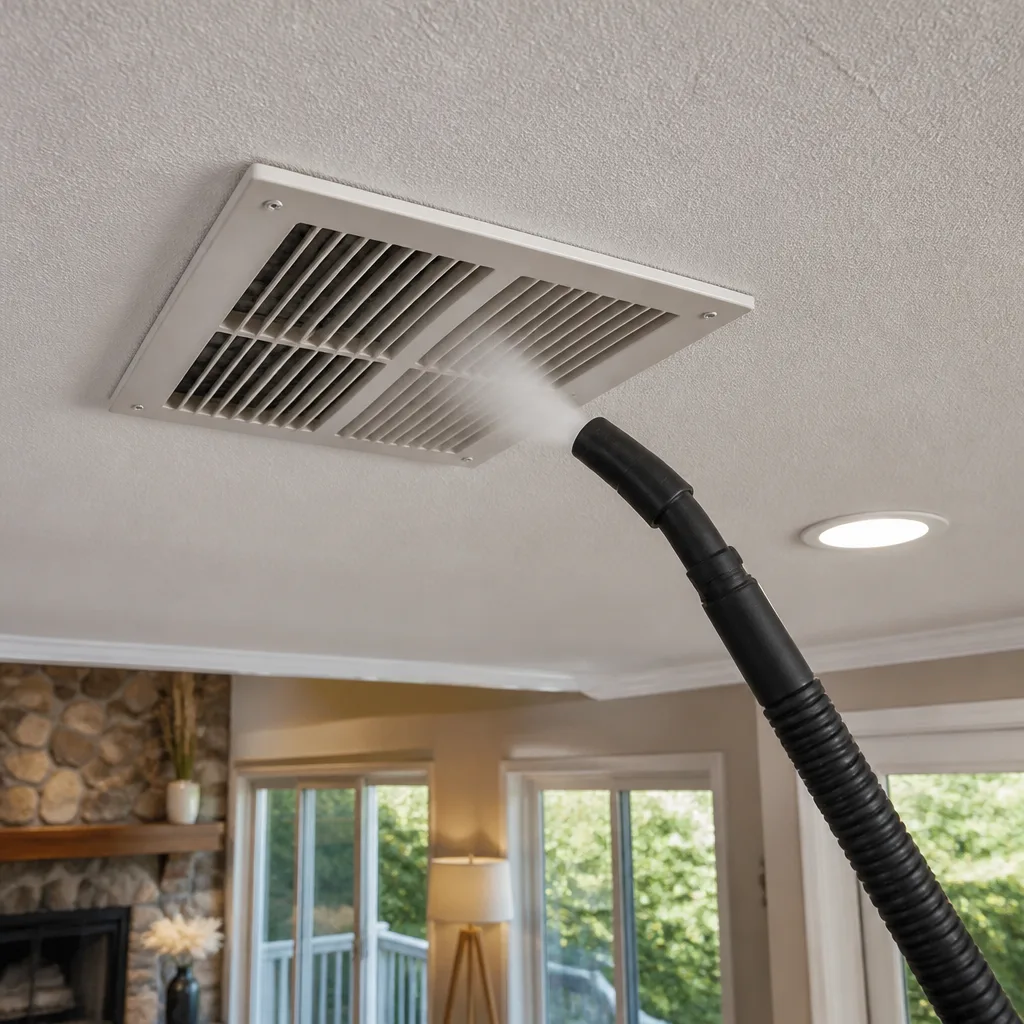 Sanitizing & deodorizing
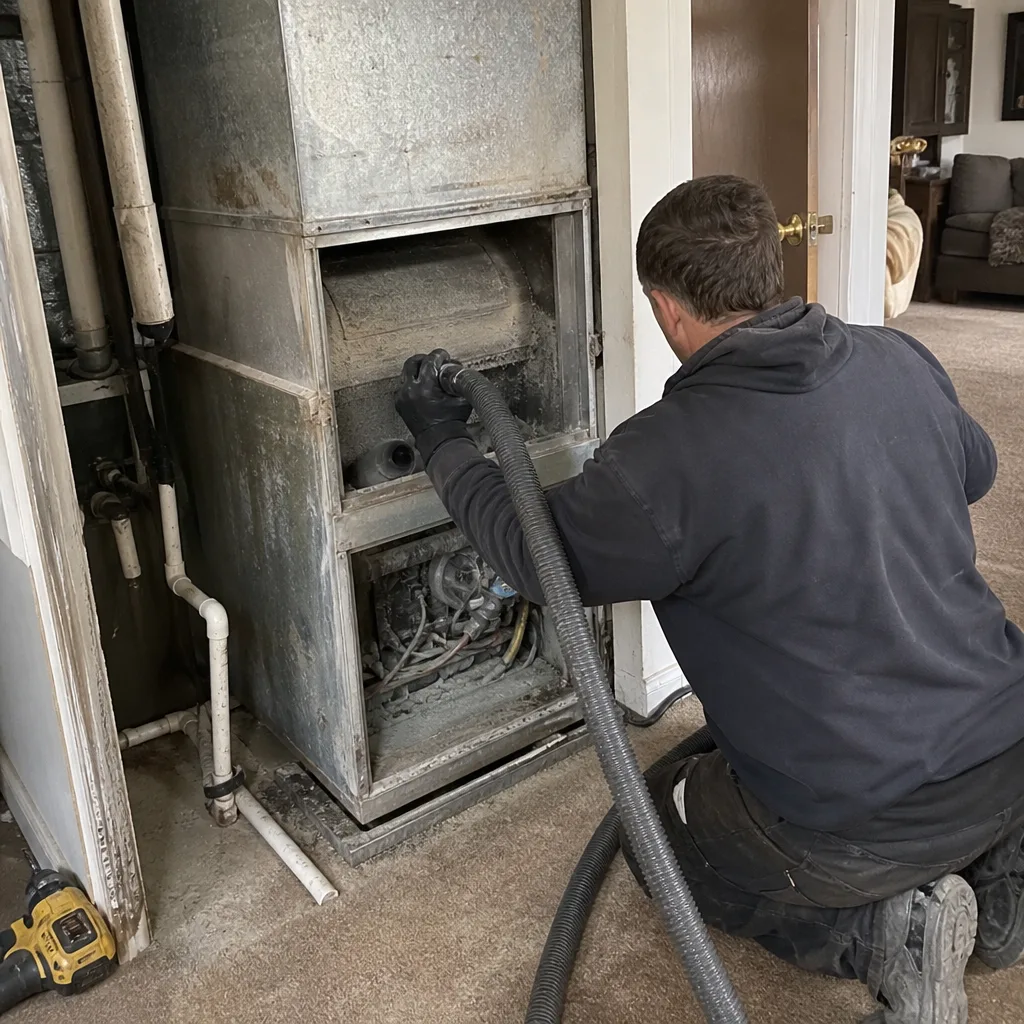
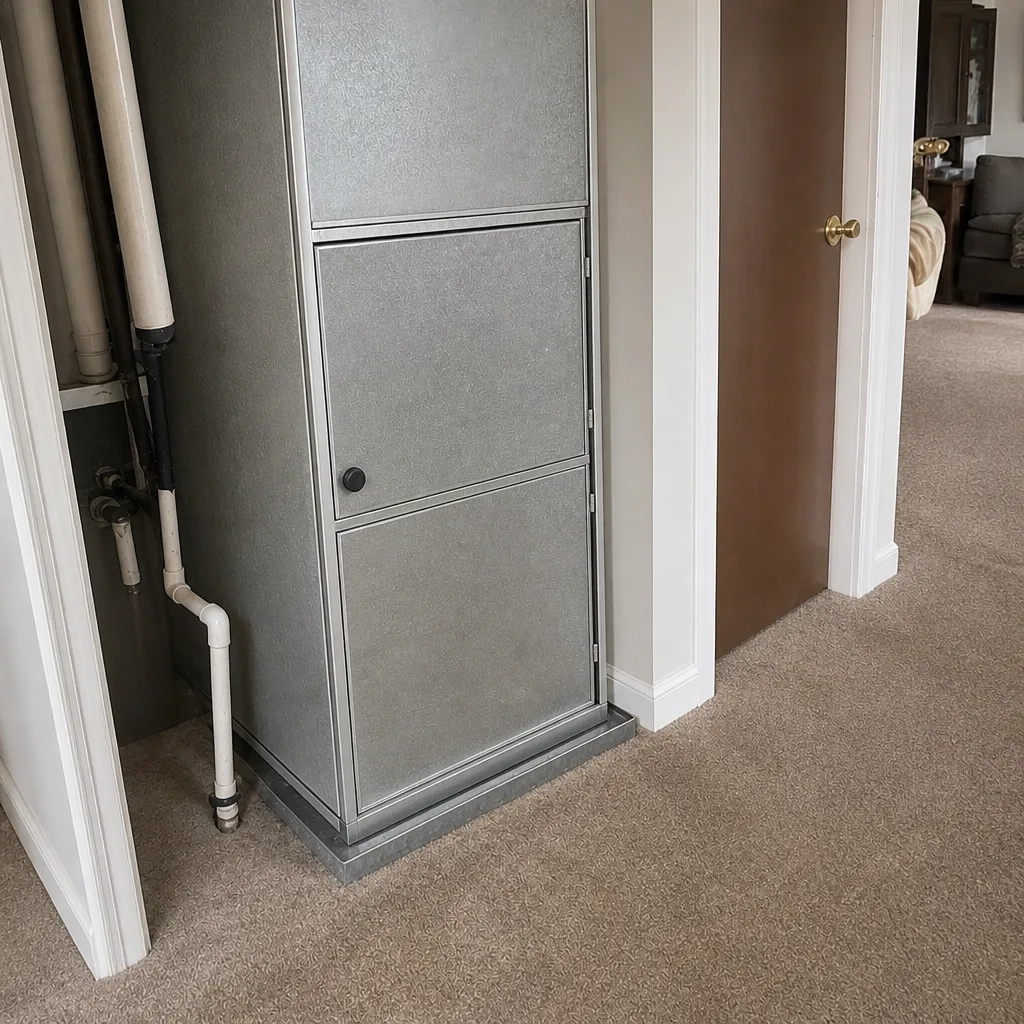
Whole-system duct and dryer vent check with before-and-after photos - you see exactly what came out of your vents
That "$99 whole-house special" is a bait ad - the real number appears once they are in your hallway, or the "clean" is a shop-vac at the register. We photograph the inside of your ducts before and after instead.
Air Duct Cleaning Maintenance Checklist for Fort Collins Homeowners
The industry-standard advice to clean your ducts “every 3 to 5 years” isn’t based on your home’s square footage, duct material, filter type, or local air quality. It’s a sales compromise, not an engineering interval. That number gets repeated because it’s easy to say on a phone call, not because anyone measured it against how a house in Fort Collins actually operates. Your ducts are a closed loop tied to a furnace, an AC coil, a filter, and a specific set of seasonal conditions. The right question isn’t “how long since the last cleaning” – it’s “what are the conditions telling me right now.” This guide gives you a monitoring protocol built around observable signals: filter readings you can interpret, register dust patterns, supply-versus-return behavior, odor mapping, and the seasonal triggers that are specific to Fort Collins. By the end you’ll know how to check your own system, what each reading means, and when a call to a professional is genuinely warranted versus when you’re being sold urgency.
Styles & brands we work with
- Whole-home duct cleaning
- Dryer vent cleaning
- Camera inspection
- Sanitizing & deodorizing
Quick Answer
An air duct cleaning maintenance checklist in Fort Collins works best as a monitoring routine, not a fixed schedule: check your filter monthly, inspect registers quarterly for dust patterns and airflow balance, map odors by zone twice a year, and reset your maintenance clock whenever you add a humidifier, a pet, or a renovation. Professional cleaning is warranted when those checks show consistent heavy buildup, uneven airflow, or persistent odors – not simply because years have passed. In our experience, most homes in Fort Collins don’t need cleaning on a strict interval; they need an honest inspection that tells them whether the ducts are the problem or upstream of it.
Table of Contents
- The Filter-Inspection Protocol: Are Your Ducts Upstream or Downstream?
- Visual Inspection Checkpoints You Can Do Without a Camera
- Fort Collins Seasonal Triggers: Harvest, Thaw, and Smoke
- Documenting a Baseline After Professional Cleaning
- The Three HVAC Changes That Reset Your Maintenance Clock
- When Cleaning Isn’t Enough: Duct Repair vs. Cleaning
- What Professional Equipment Actually Does in Your Ducts
- Common Mistakes to Avoid
- When to Call a Professional
- Frequently Asked Questions
- The Bottom Line
The Filter-Inspection Protocol: Are Your Ducts Upstream or Downstream?
Most homeowners check their filter and see “dirty” or “clean.” What they don’t know is that the pattern of that dirt tells you whether your ducts are protecting the filter or the filter is protecting your ducts. This is the single most useful diagnostic you can do yourself, and almost nobody does it.
Here’s the principle. Air always flows from return registers, through the return ductwork, past the filter, and into the blower and heat exchanger. Your filter is a barrier. If the filter is loading evenly with dust, it’s doing its job and your return ducts are relatively clean. If the filter loads heavily on one side, or loads very quickly, that’s a signal the filter is catching material the return ducts are delivering – meaning the ducts themselves are the source. If the filter stays clean for a long stretch when it historically loaded quickly, suspect a leak in the return duct pulling in attic or crawlspace air downstream of the filter, which means unfiltered air is bypassing the barrier entirely.
Work through this protocol:
- Label and date every filter you install. Write the date on the cardboard frame with a marker. You’ll reference it later when the reading matters.
- Check monthly, not quarterly. One month gives you a clean read on loading rate before the filter becomes a gray mass where the pattern is lost.
- Photograph the filter face before you replace it. Photograph both sides, in the same lighting, from the same angle. A series of dated photos is the record that tells you whether the loading rate is stable, accelerating, or dropping.
- Read the pattern, not just the color. A uniform gray across the face means the return ducts are delivering evenly-distributed material. A dark streak or a hot spot means airflow is channeling, which often points to a nearby leak or partial block.
- Interpret the reading. Uniform, moderate loading on your normal replacement cycle means the ducts are downstream of the filtration and don’t need cleaning yet. Heavy, uneven, or accelerating loading is the point at which you call for an inspection.
This is where most cut-rate operators lose their footing. A technician who arrives and says “your ducts are dirty” without ever asking about your filter cycle is guessing. A technician who asks what your filter looked like last month, and how fast it loaded, is doing diagnostics.
Visual Inspection Checkpoints You Can Do Without a Camera
You don’t need an inspection camera to learn a lot about your ductwork. Three checks – register dust patterns, supply-versus-return differential, and odor mapping – give you most of the picture. Do them on the same afternoon, so the comparisons hold.
Register Dust Pattern Analysis
Look at each supply register in your home with a flashlight, not from memory. The register grille itself is a dust collector, and the pattern tells you what’s happening upstream. A thin, even film across the whole grille is normal. A heavier deposit concentrated on the leading edge of the fins, or dark accumulation around the perimeter where the grille meets the ceiling or floor, points to air carrying more particulate than the filter is catching. Take a look at a register in a room you rarely use – rooms with consistent low flow often show heavier deposits because the dust sits and settles instead of moving.
Supply vs. Return Differential
Your system should move roughly the same volume of air out of the supply registers as it pulls back into the returns. You can feel, and hear, whether that’s happening. Hold a tissue against each supply register: the deflection should be firm and roughly consistent room to room. Now do the same at each return. A return that pulls weakly while supplies blow strongly is a sign the return side is restricted, which is often dirt loading on the return grille or in the return duct. Uneven supply flow between rooms in a two-story Fort Collins home often points to blocked or disconnected duct runs rather than dirt – worth investigating before assuming cleaning is the answer.
Odor Mapping by Zone
Odors travel the same way air does, and mapping where they appear narrows down where the problem is. Walk your home on a cool morning with the system running (the blower will circulate the air more evenly than a warm afternoon where heat rises and stratifies the zones). Note any smells – musty, dusty, sharp, or faintly chemical – and which rooms they appear in. A musty smell in a single room usually means a local issue: a bath fan, a spilled moisture event, or a duct serving a damp space. The same smell in every room the system serves points to a shared component – the coil, the plenum, or the duct system itself. A sharp or burning smell anywhere is a reason to shut the system down and call for service.
One more checkpoint: the supply and return grilles closest to your air handler. If those are the dustiest grilles in the house, the buildup is concentrated right where the air enters and exits the equipment, and that’s where a professional inspection will start.
Fort Collins Seasonal Triggers: Harvest, Thaw, and Smoke
A national cleaning interval can’t account for what Fort Collins actually experiences across a year. The Front Range has three distinct windows when outdoor particulate, moisture, or combustion byproducts can push into your duct system. Build these into your checklist as triggers, not as dates on a calendar.
Post-Harvest Particulate Influx (October)
Late summer and fall bring agricultural activity on the plains east of town and significant field dust, along with the leaf litter and yard work that goes with the season. During the weeks after harvest, outdoor particulate load rises. If you run your system with windows cracked, or if your return ducts are pulling from a crawlspace with any connection to the outside, some of that particular matter ends up across your filter and inside your return runs. This is the best month of the year to check your filter loading rate more often – weekly rather than monthly – and to look closely at return grilles for new deposits. If loading accelerates during this window and slows again afterward, you’ve found a seasonal pattern rather than a chronic problem, which affects how often cleaning is actually warranted.
Spring Thaw Mold-Risk Window
As the snowpack melts and the soil saturates, moisture in crawlspaces and around foundations rises. A duct system with any compromised joint, disconnected run, or unsealed boot in a crawlspace can draw that moist air in. This is the point in the year to check for musty odor in the rooms served by any run passing through or near the crawlspace, and to look at your air handler cabinet and plenum for condensation. If you notice a persistent musty smell that appears each spring and fades by summer, that’s a strong signal to get the ducts and any nearby moisture source inspected. Cleaning without addressing the moisture source won’t fix it.
Post-Wildfire Smoke Infiltration Checks
Smoke events along the Front Range push fine particulate into homes through open windows and any unfiltered air path. After a significant smoke event, run through this check:
- Replace the filter if it loaded during the event, even if it’s early in its cycle.
- Sniff the registers in every room. If smoke odor lingers in the ducts days after outdoor air clears, the ducts are holding it.
- Check return grilles for oily or sharp deposits that don’t look like normal dust.
- Note whether odor is worse when the system first starts, which points to material sitting in the plenum or on the coil.
Smoke odor trapped in ductwork is one of the clearer cases where a professional visit is warranted – the remediation-grade containment equipment used in professional cleaning (Abatement Technologies units, for example) is built for exactly this kind of problem. If you’d like an honest read on whether it’s needed, our team can help – learn more about air duct cleaning.
Documenting a Baseline After Professional Cleaning
Here’s the weak point in almost every duct cleaning anyone ever has done. The work gets finished, the contractor says it’s done, and the homeowner has no way to know whether the ducts are actually cleaner than they were – or to compare conditions years later. You can close that gap by establishing an objective baseline the day the work is finished. It takes twenty minutes and makes every future comparison meaningful.
- Photograph every register and return before the work starts. A phone photo of each grille, taken from the same height and angle, gives you a before-and-after set you own. A professional who is confident in their work will take their own photos of the duct interiors and share them with you – before and after, from inside the system, not just the visible grille.
- Record the filter reading the day the work is done. Install a fresh, dated filter and write the date on the frame. That date becomes your zero point. Every future filter loading rate is measured against it.
- Do the odor map again the same afternoon. Walk the same route, with the system running, and note what you smell in each zone. Compare that written note to your earlier map.
- Do the tissue test on every supply and return. Note which registers deflect firmly and which are weak, room by room. A short list in a notebook is enough.
- Record which equipment was used and which components were serviced. If the crew used a Rotobrush agitation system and Nikro HEPA extraction, note it. If they inspected and serviced Honeywell or Aprilaire components, note that too. The specific record matters later when you want to know what was actually done and whether follow-up is needed.
Keep the record somewhere you’ll actually find it – a note on your phone, a folder in the utility closet, or the inside of the air handler access door. When someone shows up years later and tells you the ducts need cleaning, you’ll be able to compare their claims to your own baseline instead of relying on their word.
The Three HVAC Changes That Reset Your Maintenance Clock
Elapsed time is a weak indicator of duct condition. Three specific changes to how your house handles air should automatically reset your maintenance clock – regardless of whether it’s been one year or six since the last professional service. If any of these apply, treat it as year zero and start the checklist again.
1. Adding a Whole-Home Humidifier
A humidifier changes the moisture content of the air moving through your ducts, which changes how particulate behaves. Dust that was dry and mobile becomes tacky and sticks to duct walls and components. Mineral scale from the water supply can deposit inside the unit and downstream. If a Honeywell or Aprilaire whole-home humidifier has been added to your system, plan to have the system inspected within the first year so you can see how it’s behaving – and add “check for scale and moisture” to your routine checks. In Fort Collins, where indoor air during winter is already dry, humidifiers are common and this scenario comes up often.
2. Introducing a Pet
Pet dander and hair significantly change the load on your filter and ducts. The load is higher, it’s hairier, and it distributes differently than ordinary household dust. If a pet joins the household, reset the clock and plan to check filters more often – typically monthly rather than quarterly – for the first few months so you can observe the new loading rate before it becomes the new normal. Note it in your baseline record.
3. Renovation or Major Remodel Work
Drywall dust, sawdust, and construction particulate are far heavier and more abrasive than ordinary household dust. During and after any significant renovation, your HVAC system is exposed to material it isn’t designed to handle. The right move is to protect the return registers during the work (sealing them with a plastic film) and to schedule a professional inspection after the dust settles. If the system ran with registers exposed during the work, that’s an automatic reset – the damage is done and the ducts will need attention. This is the most common reason we see a professional visit called for that turns into air duct repair as well as cleaning, because construction particulate tends to find and exploit weak joints.
When Cleaning Isn’t Enough: Duct Repair vs. Cleaning
Not everything that shows up in your checklist is dirt. Some of it is broken ductwork – and cleaning a broken system without repairing it is like cleaning a room with a hole in the wall. Here are the signals that point to repair rather than cleaning.
- Uneven airflow between rooms that persists after cleaning. One room blows weakly while another is strong, especially if the difference is dramatic and the room is served by a long run. A disconnected or crushed flex run is the usual culprit.
- Dust streaks around a joint or a boot. Lines of dark dust at the edge of a ceiling boot, or at the base of a floor register, show air escaping at a seal rather than dust settling. Every unsealed joint is a place where conditioned air – and dust from the surrounding cavity – leaks into the living space.
- Visible damage at a register. Crushed flex duct, torn duct board, or a run that’s been stepped on in the attic shows up as reduced flow and, often, as deposits collecting at the point of damage.
- A new or worsening odor in a single room. A single-zone odor problem that cleaning the register doesn’t resolve often indicates a compromised run pulling in air from the attic or crawlspace.
A thorough duct professional should look for damage before recommending cleaning. Cleaning a compromised system is a waste of money if the leaks aren’t going to be sealed. If you’re in Fort Collins and you’re not sure which problem you have, our duct cleaning in Fort Collins team inspects first and repairs when the ducts call for it – the two services live together in the same visit.
What Professional Equipment Actually Does in Your Ducts
One of the reasons our checklist is built around observable indicators is that we want you to be able to compare what a professional does against what a shop-vac-and-a-coupon operator does. The equipment stack matters, and you can research every piece of it independently.
- Rotobrush brush-and-vacuum systems agitate the duct walls with brushes sized to the duct and remove what the brushes loosen with vacuum extraction. Agitation is what separates surface cleaning from cleaning that actually removes adhered material. Without it, the interior of a duct can look cleaner and still hold a layer of material that hasn’t moved.
- Nikro HEPA extraction is high-efficiency particulate air filtration applied to the extraction end of the process. The point is containment: material removed from the ducts has to go into a filtration system, not into the air of the room where the technician is working. HEPA filtration is standard in professional extraction and this is exactly why it’s named in the equipment a serious duct cleaner brings.
- Abatement Technologies containment equipment is remediation-grade air management, the kind of equipment used to control contaminants during mold and remediation work. It’s the difference between a service that’s built for cleaning and a service that’s built for keeping what comes out of the ducts from re-entering the living space.
We also stock and service Honeywell and Aprilaire indoor air quality components – two of the most trusted names in residential IAQ equipment – so that a duct visit can also address the humidifier, filtration, and IAQ hardware bolted to the system. It’s a single visit rather than a parade of specialists. And we treat the interior of your system seriously: Guardsman-grade protective products are part of the service process. We name our tools because we want you to be able to look them up – the specific equipment stack is your best evidence that “commercial-grade” isn’t just a marketing phrase.
If you want to see what this looks like applied to a Fort Collins home, take a look at Fort Collins coverage for a fuller picture.
Common Mistakes to Avoid
- Treating “every 3-5 years” as an engineering rule. It isn’t. Your home’s duct material, filter type, pet status, and local seasonal loads change the interval dramatically. The checklist you just read is built around readings, and the reading should drive the decision.
- Buying the low teaser price without asking what’s included. A $99 whole-house special usually means a name for a service that isn’t the full job. Ask what equipment is used, whether ducts are actually agitated, what happens after the work (photos of the interior), and whether repair is included when damage is found. The written estimate for the actual scope is what matters, not the headline number.
- Skipping the “before” photos. If you don’t photograph every register and return before the work, you can’t compare. Take the photos yourself so you have your own record, not the contractor’s.
- Scheduling a cleaning right after a renovation. Drywall dust, sawdust, and construction debris should be removed from the system after the work is finished, once the dust has settled. A cleaning scheduled mid-renovation is a cleaning you’ll need to do again a few weeks later.
- Assuming summer smoke season is over once the outdoor air clears. Smoke odor that lingers in the ducts days later means material has been absorbed and is being re-released whenever the system runs. A post-wildfire check is not the same as a post-wildfire cleaning – but you have to look to know which one you need.
- Ignoring the dryer vent while thinking about ductwork. The dryer vent is a separate duct system with a separate risk profile. Lint accumulation in the vent line is a leading cause of residential fires, and a dryer that takes longer than it used to is one of the clearest warning signs. It belongs on the same checklist as the HVAC ducts, and it’s the service we treat with the most urgency. Learn how at dryer vent cleaning.
- Fixing ducts by cleaning the visible surfaces. A duct system that has disconnected runs, crushed flex, or unsealed boots isn’t fixed by cleaning. Look for the signs of damage first, and treat repair as its own problem that has to be addressed before cleaning can hold.
When to Call a Professional
There are specific scenarios where the monitoring checklist has done its job and it’s time to hand the ductwork to someone with proper equipment. Call a professional when: your filter loads heavily and unevenly despite a fresh, correctly-sized filter; supply and return airflow are visibly unbalanced between rooms; a musty or smoke odor persists across multiple rooms after the system has run for a day; you can see dust streaks or damage at registers and joints; you’ve just completed a significant renovation; or a dryer is taking noticeably longer to dry clothes. In our experience, these are the honest signals, and a technician with up to 12 years of experience can read them accurately. Duct Cleaning Fort Collins offers free estimates in Fort Collins – call (844) 834-5984. We answer 24/7. Fast dispatch from 7am to 7pm, Sunday through Friday.
Frequently Asked Questions
Honest whole-system duct cleaning in Fort Collins is estimated per system by a written estimate, not priced per vent or as a teaser figure. The reason is that the scope varies with the size of the home, the number of runs, the amount of buildup, and any repair the system needs. Ask for a written estimate for the specific work and treat that number as the final price, rather than a coupon figure that gets rewritten on site. Call (844) 834-5984 for an exact quote – estimates are free.
Because the lower price usually buys less work. A very low figure often covers surface vacuuming of the visible registers rather than agitation of the duct interiors, without HEPA extraction, and without any repair of compromised runs. The only way to compare quotes fairly is to ask what equipment is used, whether ducts are agitated and extracted, and whether you’ll see interior photos of the work. Call (844) 834-5984 to talk through the scope for your home – estimates are free.
Ask for before-and-after photos of the interior of your own ducts, not just the visible registers. A professional with proper containment equipment can photograph inside the system before starting and after finishing. Add your own baseline record – filters, odor map, and airflow check – and you’ll have objective evidence that the work changed the conditions. One flat price per system, agreed before work starts, is the standard we work to. Call (844) 834-5984 for an exact quote – estimates are free.
For most Fort Collins homes, professional duct cleaning is warranted when the monitoring checklist produces specific signals – uneven filter loading, unbalanced airflow, persistent odors, visible damage, or a recent renovation – rather than every fixed number of years. Homes with pets, a humidifier, or frequent renovation activity tend to need attention sooner. Trigger-based cleaning beats calendar-based cleaning. Call (844) 834-5984 for an exact quote – estimates are free.
The dry months create conditions worth checking regularly: dust that stays dry stays mobile and accumulates more visibly on grilles and filters, and the winter months are when whole-home humidifiers are running. Neither one automatically means you need cleaning, but both make the monthly filter check more useful and make scale and moisture deposits worth inspecting. Call (844) 834-5984 if you want an honest read – estimates are free.
Not automatically – check first. Replace any filter that loaded during the event, sniff the registers in each room a day or two after outdoor air clears, and note whether odor is worse right after the system starts. If the smell lingers in the ductwork, that’s a signal you need professional attention. Call (844) 834-5984 to talk it through – estimates are free.
The Bottom Line
Your duct maintenance checklist for Fort Collins shouldn’t be a cleaning schedule – it should be a monitoring routine you can actually run yourself. Monthly filter reading, quarterly register and airflow checks, odor mapping by zone, and a written baseline after any professional visit give you enough information to know whether cleaning is warranted or being manufactured. Build in the local seasonal triggers – the post-harvest particulate window in October, the spring thaw moisture risk, and post-wildfire smoke checks – and reset your clock whenever you add a humidifier, get a pet, or finish a renovation. When the checklist signals a real problem, get an honest inspection from someone who can name the equipment they use and photograph the work they do. Your ducts should be serviced on evidence, not on a number someone repeated on a phone call.
Call (844) 834-5984 for a free estimate. We answer 24/7. Fast dispatch from 7am to 7pm, Sunday through Friday.
Written by the team at Duct Cleaning Fort Collins.
See the difference
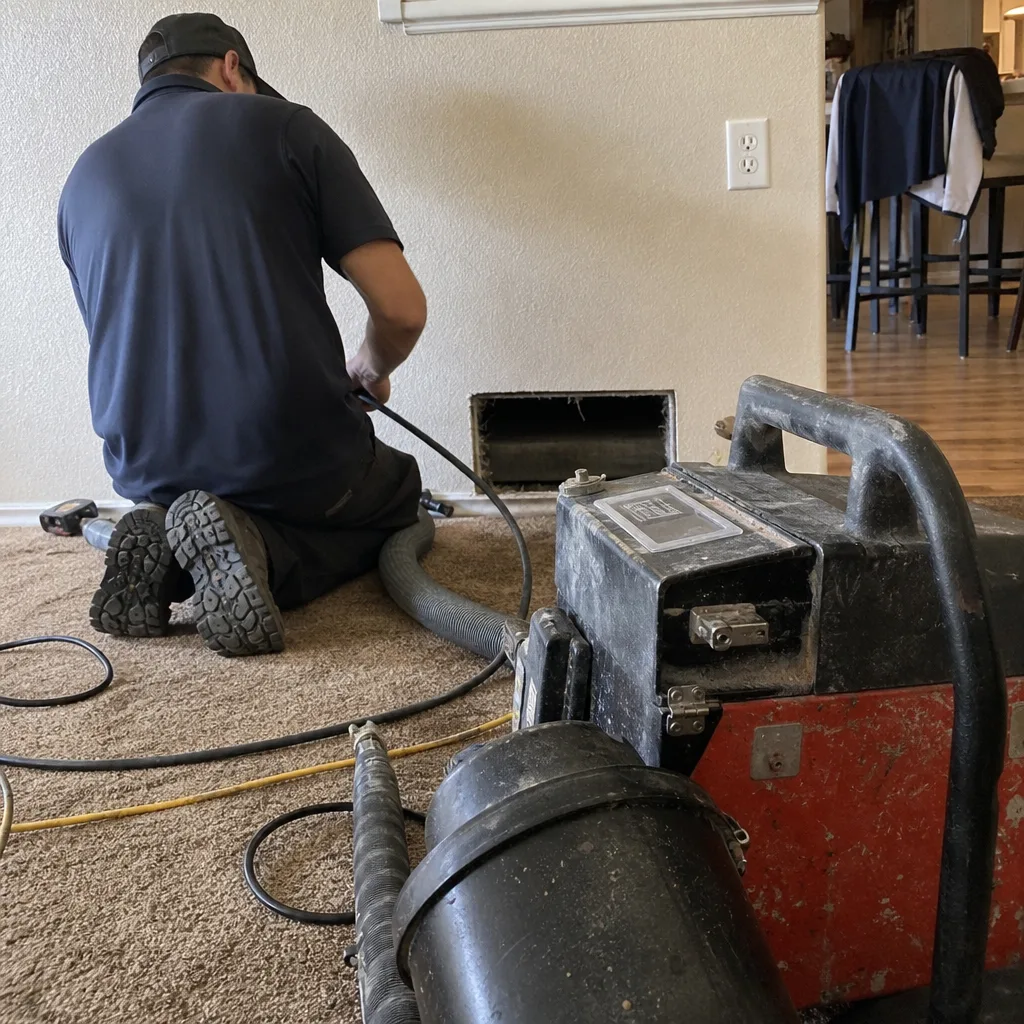 Before
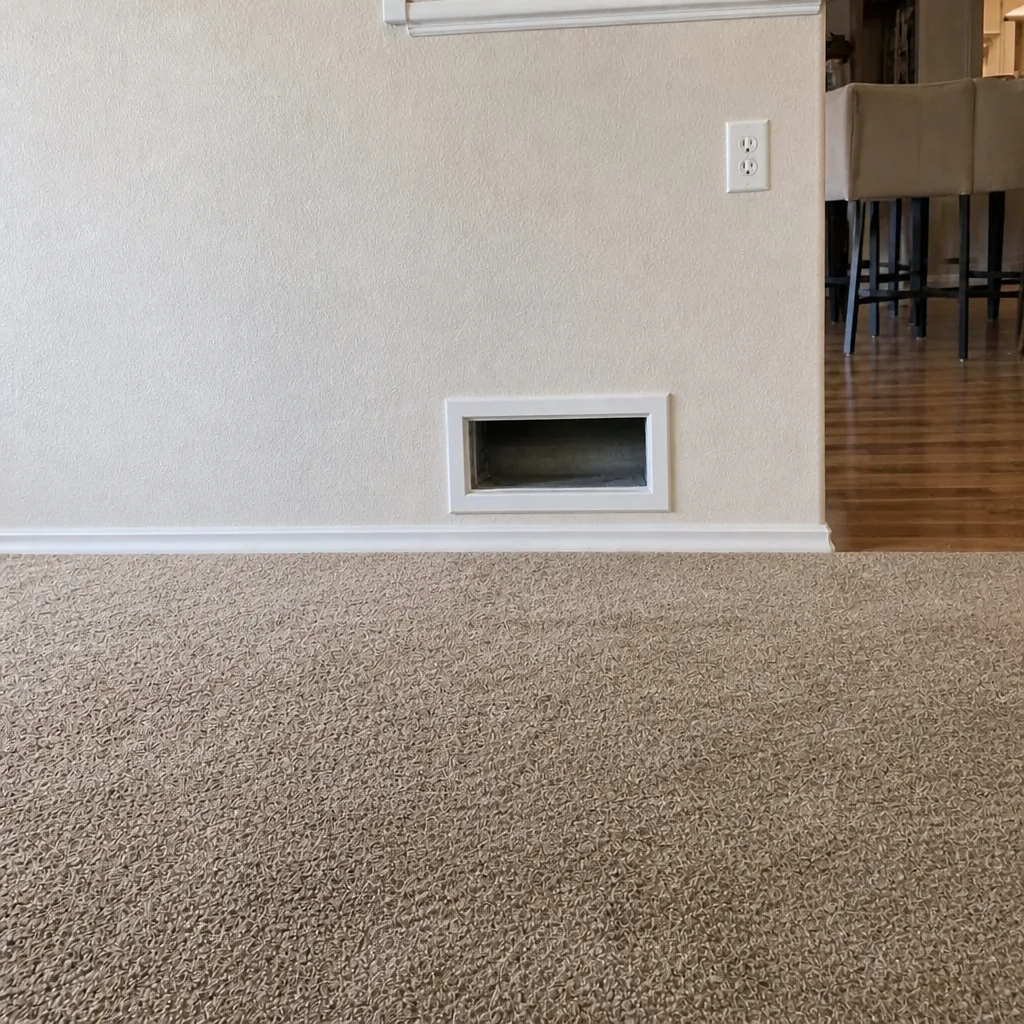 After
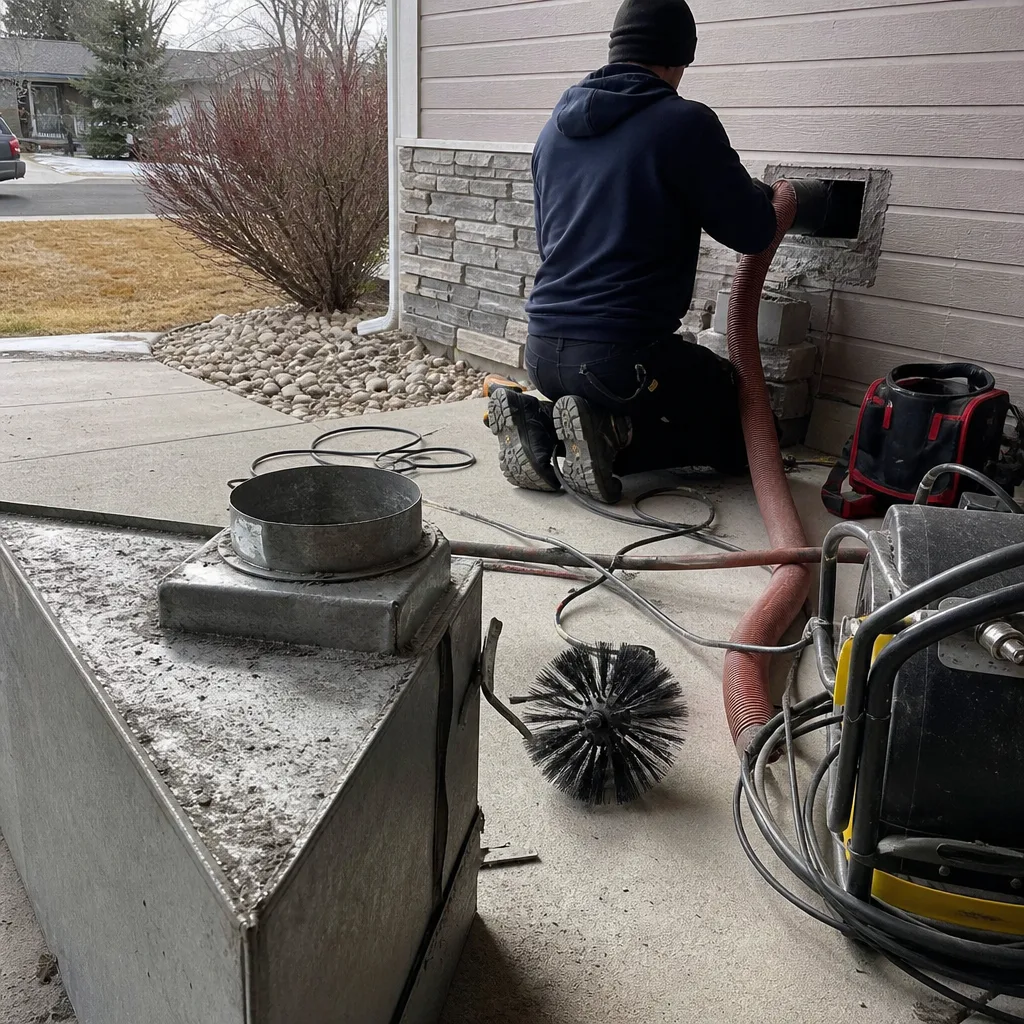 Before
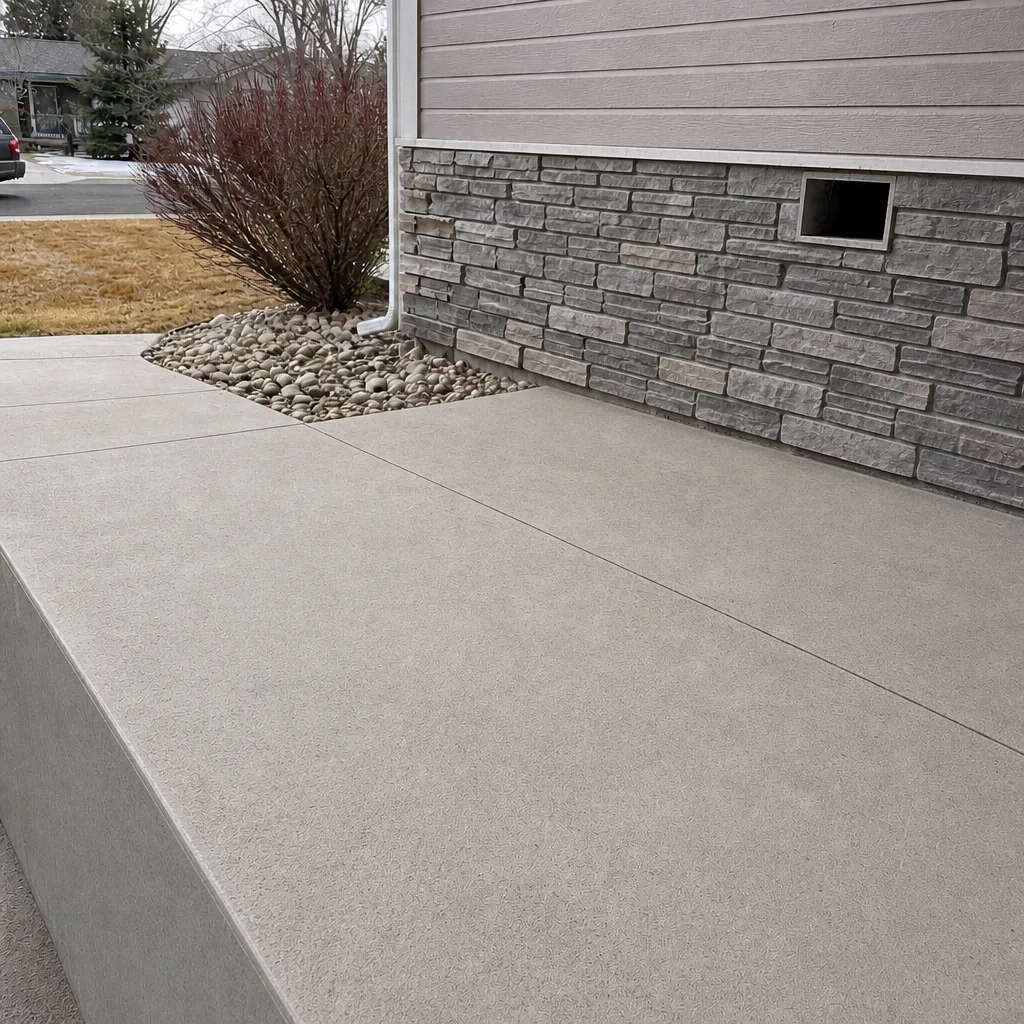 After
 Before
 After