
Last updated November 15, 2026
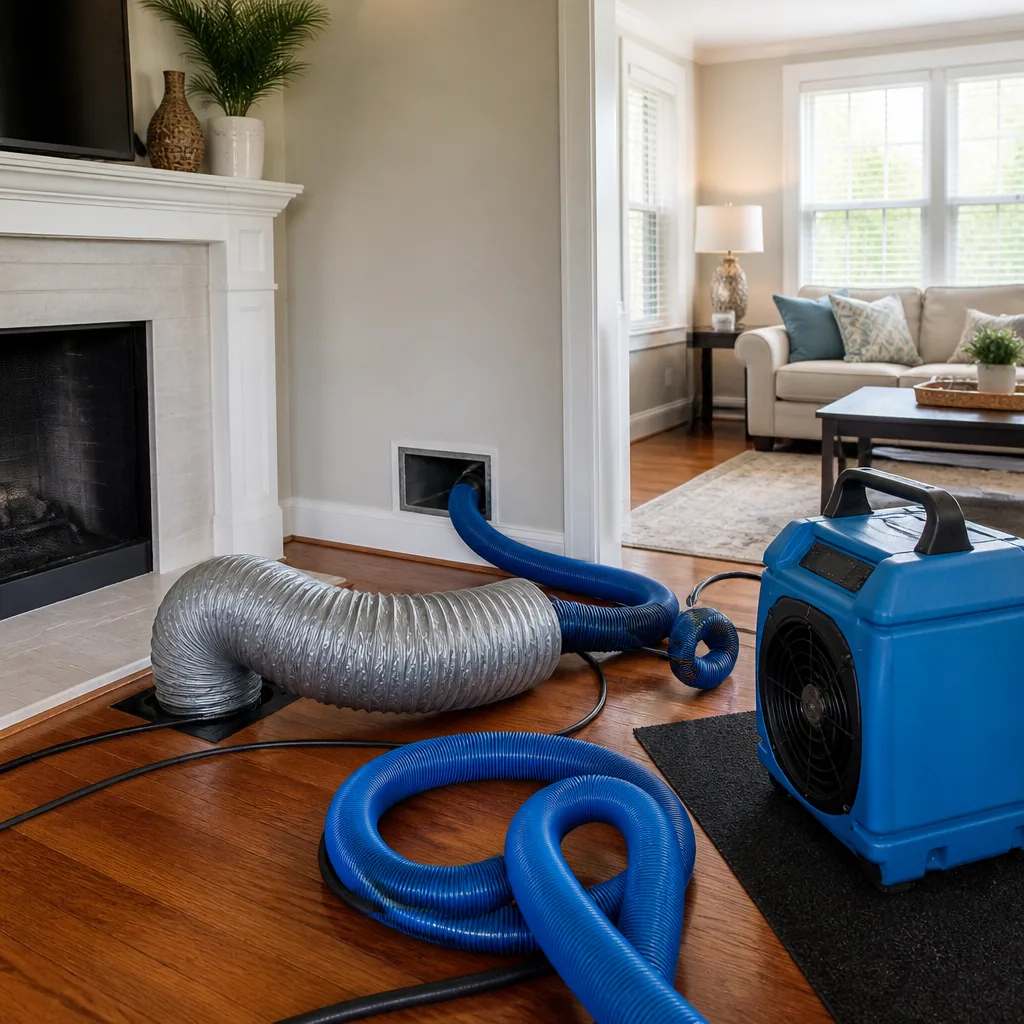 Whole-home duct cleaning
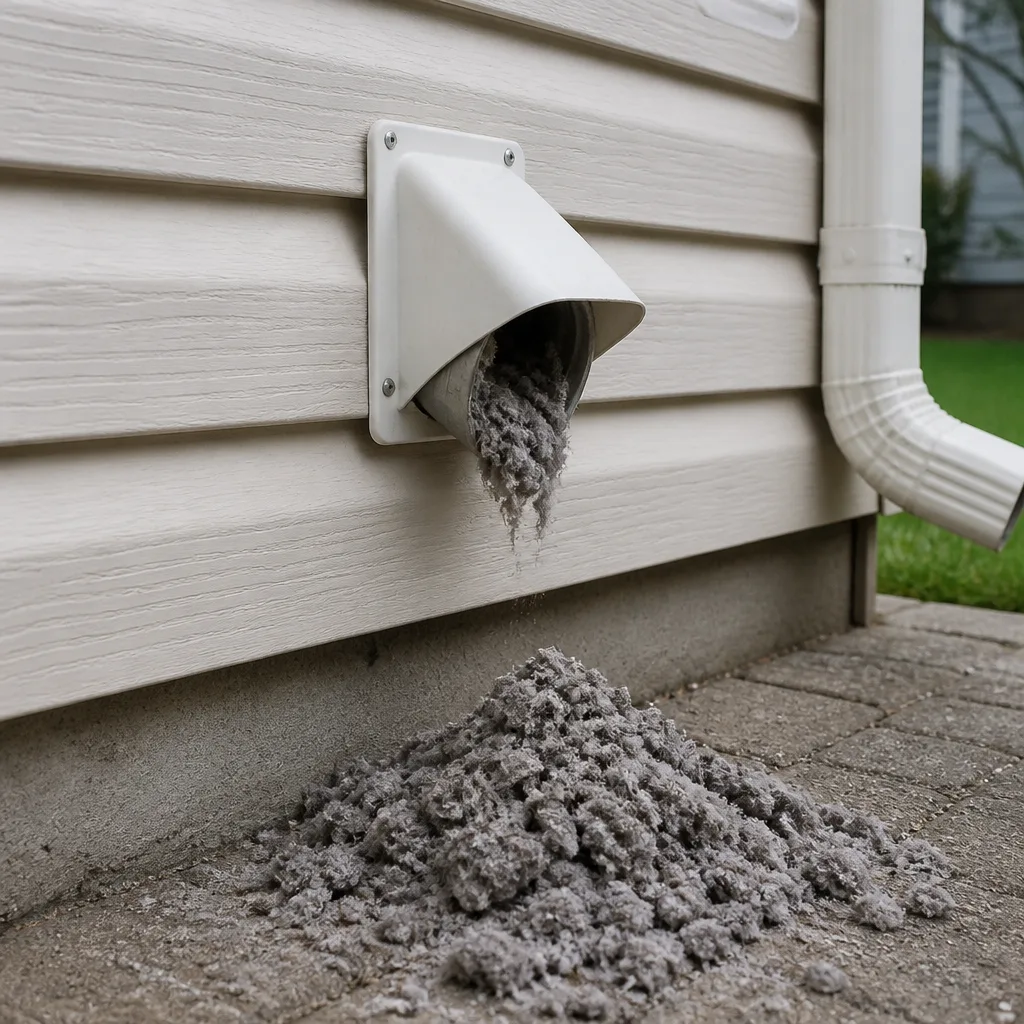 Dryer vent cleaning
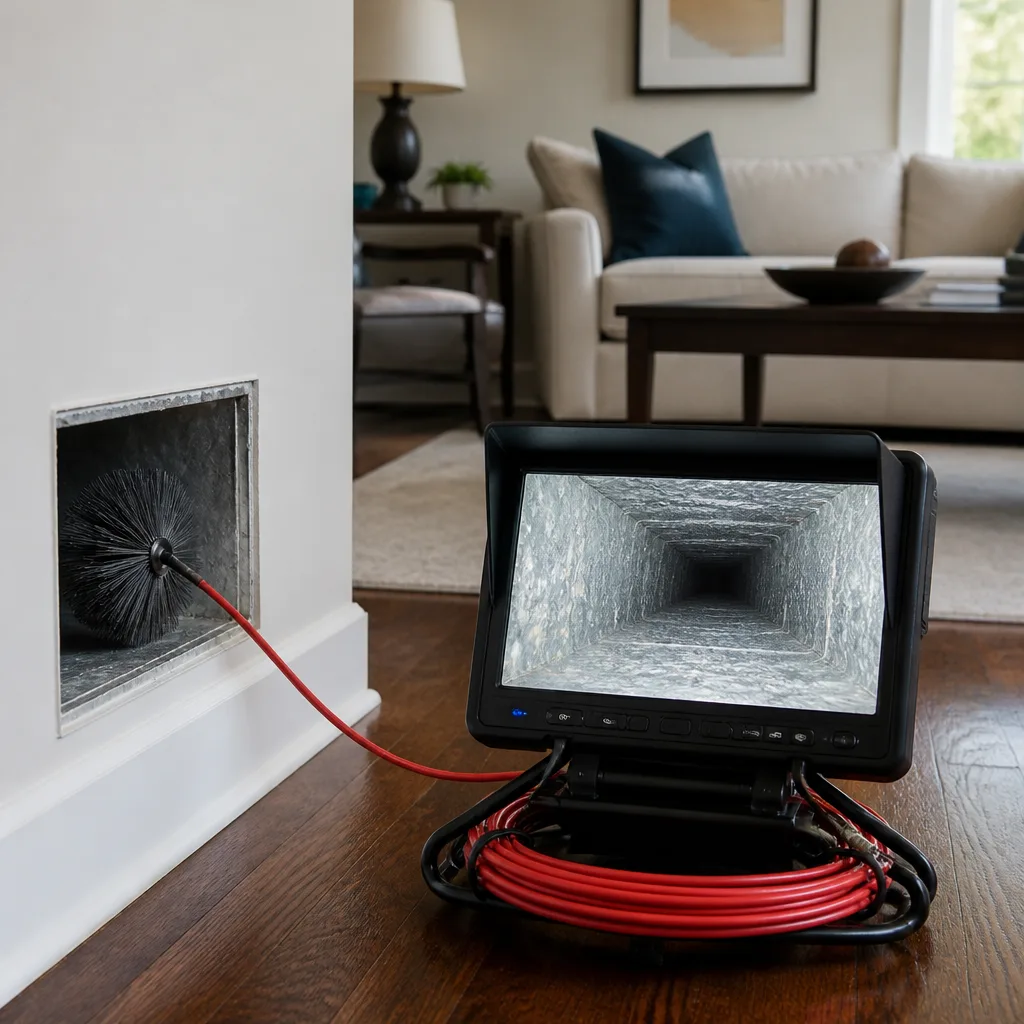 Camera inspection
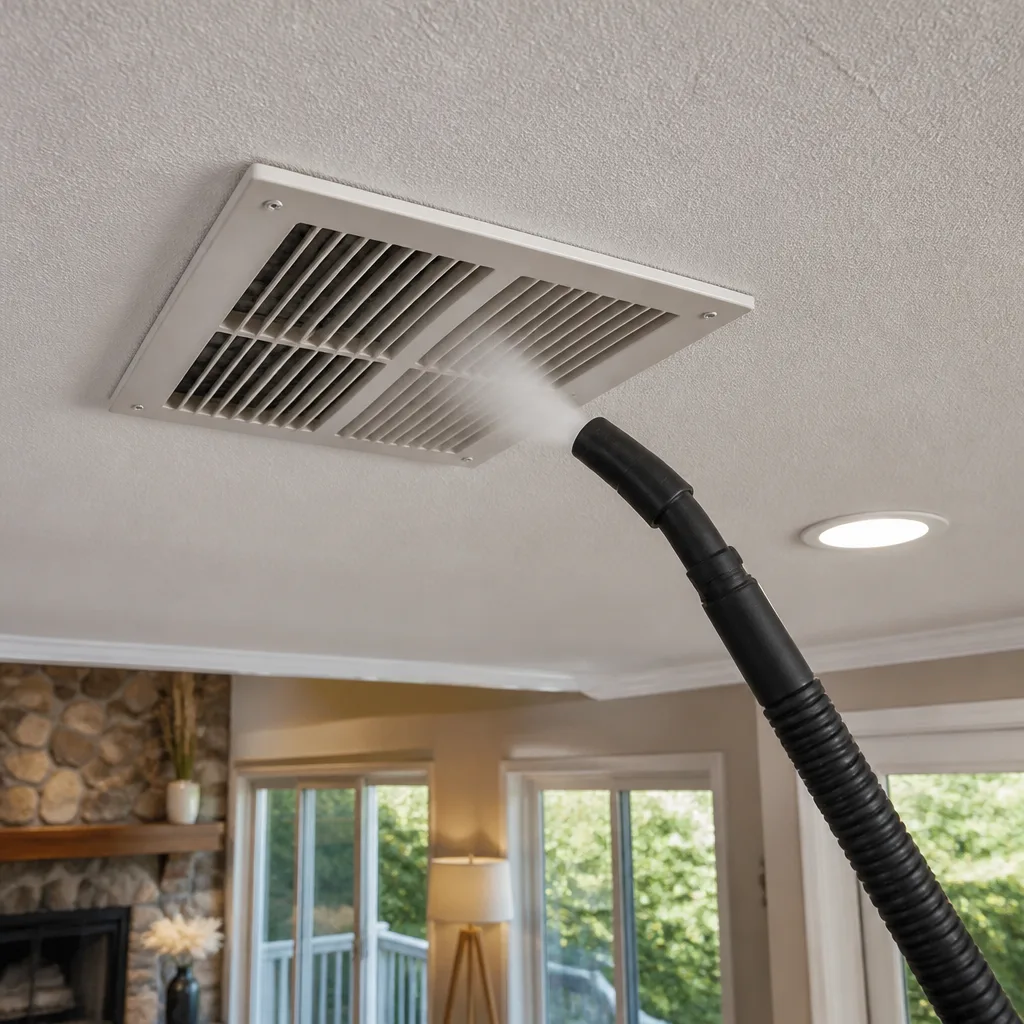 Sanitizing & deodorizing
Whole-system duct and dryer vent check with before-and-after photos - you see exactly what came out of your vents
That "$99 whole-house special" is a bait ad - the real number appears once they are in your hallway, or the "clean" is a shop-vac at the register. We photograph the inside of your ducts before and after instead.
Air Duct Cleaning Permits, Codes & Inspections in Fort Collins, CO: What You Need to Know
The question isn’t whether duct cleaning requires a permit. It doesn’t. The question is whether the work your contractor just proposed crossed into modification or remediation territory that legally requires one, and whether they told you. Most homeowners in Fort Collins never ask, because most quotes arrive as a single line item: “whole-house duct cleaning.” But the moment a job involves cutting a new access panel, sealing a run, replacing a section of flex duct, or handling insulation that may contain asbestos, you’ve moved from maintenance into permitted mechanical work. This guide walks through exactly where that line sits, how Larimer County and City of Fort Collins codes apply, and how to verify that the person working inside your HVAC system is authorized to do what they’ve proposed.
Quick Answer
Routine air duct cleaning in Fort Collins does not require a permit. But duct modification, sealing, access-point installation, or any remediation tied to mold or asbestos does fall under Fort Collins Building Code Chapter 10 mechanical provisions and may require a permitted inspection. If a contractor proposes anything beyond cleaning, ask which permit they’re pulling and who will inspect the work.
Styles & brands we work with
- Whole-home duct cleaning
- Dryer vent cleaning
- Camera inspection
- Sanitizing & deodorizing
Table of Contents
- Cleaning vs. Modification: Where the Permit Line Sits
- When Fort Collins Building Code Chapter 10 Applies
- Mold Inside Ductwork and Colorado CDPHE Guidelines
- Asbestos-Containing Duct Insulation in Older Fort Collins Homes
- How to Verify a Contractor’s Permit Status in Larimer County
- The Post-Cleaning Inspection: When a City Mechanical Inspector Signs Off
- Questions to Ask Before Anyone Opens Your Ductwork
Cleaning vs. Modification: Where the Permit Line Sits
Cleaning removes debris from a duct system that’s already built. Modification changes the system itself. That distinction is the whole game when it comes to permits, and it’s the first thing to nail down before signing an estimate.
Cleaning, as we practice it, involves negative-pressure containment, agitation of the duct walls, and HEPA extraction. Nothing structural changes. The ducts you started with are the ducts you end with, only cleaner. No permit is triggered by this work in Fort Collins.
Modification is different. Anything that alters the physical duct system – cutting a new return, installing a manual damper, sealing leaky joints with mastic, replacing a collapsed flex run, adding a register where none existed – is mechanical work. Under Fort Collins Building Code Chapter 10, mechanical alterations typically require a permit and an inspection.
- Cleaning only: no permit, no inspection, receipt and before-and-after photos should still be provided.
- Sealing or reconnecting joints: usually requires a mechanical permit, especially when the work involves duct tape failure, disconnected flex, or leaking boots at registers.
- Adding or relocating access panels: permit required in most cases, because it changes the duct envelope.
- Replacing duct sections: permit required; the replacement must meet current code for material, R-value, and support spacing.
- Mold or asbestos remediation: separate regulatory track entirely, covered below.
Where this matters most in Fort Collins is the city’s older housing stock. Homes built in the mid-century through the 1970s often have duct systems that haven’t been touched in decades. In those systems, “cleaning” frequently turns into “discovering disconnected runs and collapsed flex,” and the contractor who finds those issues needs to stop, disclose, and requote with a permit attached if repairs are on the table. A contractor who just keeps cleaning around a broken duct isn’t doing you a favor.
When Fort Collins Building Code Chapter 10 Applies
Chapter 10 of the Fort Collins Building Code governs mechanical systems, including ductwork. It’s the reference inspectors use when they review new installations, replacements, and alterations. The chapter doesn’t exist to make duct cleaning complicated – it exists so that when a duct system is changed, someone with authority confirms it still moves air the way the equipment expects.
The work that tends to draw a permit under Chapter 10:
- Any new duct run added to the system.
- Any duct run removed from the system.
- Any alteration to duct sizing at the trunk or branch level.
- Any replacement of functioning duct sections with new material.
- Installation of fire dampers, smoke dampers, or access doors in duct assemblies.
- Sealing work that changes the system’s tested leakage characteristics in commercial occupancies.
What doesn’t trigger a permit: brushing, agitating, and vacuuming existing ductwork. Neither does replacing a register grille with an identical grille. Neither does cleaning a dryer vent, though a rotten or disconnected dryer vent often needs repair or replacement and that gets into the same permit territory.
In our experience, the honest answer a homeowner in Fort Collins wants from a contractor is a simple one: “That part of the job needs a permit, here’s what it costs, here’s what the inspection looks like, do you want to proceed?” The dishonest answer is to quietly add duct sealing to the invoice and never mention it. If your contractor won’t tell you which specific line item requires a permit, that’s the moment to slow down.
For a routine cleaning with no structural work, air duct cleaning is a service that should proceed without any permit conversation at all – and if a contractor tries to sell you a permit for a standard cleaning, that’s a red flag of its own.
Mold Inside Ductwork and Colorado CDPHE Guidelines
Mold inside ductwork is where the conversation shifts from permits to public health guidelines. Colorado’s Department of Public Health and Environment (CDPHE) has published guidance on mold remediation that treats ductwork as a special case: it’s a semi-enclosed system, mold spores inside it can be distributed to every room in a home, and remediation requires containment that ordinary cleaning does not.
The practical outcome for a homeowner in Fort Collins:
- If the mold is cosmetic – surface discoloration on a register grille or visible at the supply boot – it’s often addressed as part of a standard cleaning with proper containment.
- If the mold has penetrated porous duct board, flex duct interior lining, or the fibrous acoustic lining inside a metal trunk, the material generally has to be removed and replaced, not cleaned.
- If the affected area exceeds roughly 10 square feet of contiguous mold growth (a common CDPHE-referenced threshold for when remediation specialists should be involved), the scope usually moves beyond a standard duct-cleaning visit.
- Any home with active water intrusion, recent roof leaks, or repeated condensation problems in the duct system should be evaluated for mold before cleaning, not after.
This is where commercial-grade containment matters. When we use Abatement Technologies equipment and Nikro HEPA extraction, it’s because those units are built to do exactly this: isolate the contaminated section, hold it under negative pressure, and pull air through HEPA filtration rather than letting it exhaust back into the home. A shop-vac with a bag in it is not the same tool, and the difference shows up when a home has a mold problem.
The question the homeowner should ask before work starts: “If you find mold inside the ducts, what’s your containment setup, and what’s the point at which you’d stop and refer me to a remediation specialist?” A contractor who can answer that clearly is the one you want. A contractor who says “we clean mold all the time, no problem” is telling you they don’t know CDPHE’s guidance. Duct Cleaning Fort Collins is the Duct Cleaning Fort Collins resource for these conversations, and we’re happy to walk through the containment setup before anyone commits to a scope.
Asbestos-Containing Duct Insulation in Older Fort Collins Homes
There’s a specific class of Fort Collins homes where duct cleaning has to pause before it starts: pre-1980 houses with foil-faced or paper-faced duct insulation, especially on the exterior of supply trunks running through unconditioned space like attics, crawlspaces, and garages. Some of that insulation contains asbestos. Cleaning an asbestos-containing duct surface – disturbing it with brushes, agitation, or vacuum – can release fibers into the airstream and into the surrounding space.
How to recognize the risk:
- Foil-faced or paper-faced wrap on duct runs, particularly on the trunk line, especially if it looks aged, chalky, or frayed.
- Pre-formed insulation board used as duct lining inside older trunk sections.
- Fabric duct tape that’s become brittle and dusty on older joints.
- Anything labeled or stamped with an insulation product name you can’t verify against current materials.
None of these confirm asbestos on their own. Only lab testing does. What they confirm is that a contractor should be pausing and asking the question before touching anything. Colorado regulates asbestos abatement through CDPHE’s Air Pollution Control Division, and the general rule is that abatement of asbestos-containing material in a home is work for a licensed abatement contractor, not a duct cleaner. The duct cleaning can proceed once the asbestos-containing material has been properly abated or encapsulated by someone authorized to do it.
For homes built after 1980, this is largely a non-issue – the materials in the market shifted. For homes in older Fort Collins neighborhoods where 1950s and 1960s construction is common, it’s the first question to ask before booking anything. If the answer you get is “we’ll just clean around it,” find a different contractor.
How to Verify a Contractor’s Permit Status in Larimer County
Fort Collins sits within Larimer County, and permit records for mechanical work are generally administered by the City of Fort Collins Building Services Department for work within city limits, and by Larimer County for work in unincorporated areas. Either way, permit records are public, and you can look them up yourself.
Here’s the process:
- Get the permit number from your contractor in writing. Not “yeah we pulled a permit” – an actual number.
- Go to the appropriate jurisdiction’s online permit portal. For city addresses, that’s the City of Fort Collins; for county addresses, Larimer County. Both portals let you search by address or permit number.
- Confirm three things: the permit address matches yours, the permit scope matches the work being done, and the permit status is either “issued” or “inspection phase” – not “closed” while work is ongoing.
- After work is done, confirm the permit closed. A closed permit with a final inspection on record is what resale documentation looks like. An open permit at sale time becomes a discovery item during the buyer’s inspection – and can delay closing.
- Take a screenshot of the closed permit status and keep it with your home records. It’s the same type of documentation homeowners keep for roof replacement or electrical panel work.
What “open” versus “closed” means for your home’s record: an open permit says the work was started and not finalized in the eyes of the jurisdiction. A closed permit says an inspector signed off and the work is considered complete. For your resale record, the closed permit is what you want. A contractor who’s uncomfortable with you looking up their permits is telling you what you need to know.
This is the same verification process we recommend for any permitted work, including large-scale Fort Collins system projects.
The Post-Cleaning Inspection: When a City Mechanical Inspector Signs Off
Here’s a scenario that catches homeowners off guard: the cleaning gets scheduled, the job goes smoothly, and then the contractor mentions an inspector needs to come look at something before they call the job complete. If the work involved opening or modifying duct sections, that’s exactly what should happen – and if it’s not happening, that’s the warning sign.
The inspection triggers when:
- A new access panel was installed to reach previously inaccessible duct runs.
- A duct section was replaced or substantially altered.
- Sealing or mastic work changed the tested performance of a system in a way the permit scope covers.
- A permitted modification was part of the original scope.
How it usually goes, in the general case:
- The contractor completes the work and files for inspection through the same portal that issued the permit.
- The city assigns an inspector and the homeowner or contractor schedules the inspection visit.
- The inspector reviews the modified section – duct material, support, sealing, connections, and access.
- If everything passes, the permit closes. If anything fails, the contractor corrects it and the inspection is repeated.
For a homeowner, the inspection is a good thing. It’s a municipal sign-off on the portion of the work that a purchaser’s home inspector will care about later. Where this becomes complicated is when a contractor has already sealed everything up and cannot demonstrate what was done during inspection. That’s why we recommend before-and-after photos of any modified duct section be part of the documentation package – not as a marketing gesture, but as a record that survives the inspection and the sale.
Routine cleaning with no modification doesn’t require an inspection. If someone tells you an inspector is coming out for a standard cleaning, ask for the permit number, because the reason will be specific.
Questions to Ask Before Anyone Opens Your Ductwork
Ask these before the appointment is scheduled, not after the truck is in the driveway. The answers tell you whether the contractor understands the permit and remediation lines, or whether they’re going to blur them.
- “Is anything in this scope moving into permit territory?” A contractor who says “no” without thinking is a contractor who hasn’t read your system yet.
- “What’s your containment setup if you find mold?” The answer should reference HEPA filtration and negative-pressure containment, not a shop-vac.
- “How do you determine whether older duct insulation might involve asbestos?” The right answer is “we pause and recommend testing” – not “we assume it’s fine.”
- “Will you give me before-and-after photos of the ducts themselves?” This is the only way to know the work was actually done, and it’s also your documentation if a permit ever enters the picture.
- “Do you have a service to repair the ductwork if you find damage during cleaning?” Many cleaning companies don’t. That’s why we offer air duct repair as a standalone service – diagnosis and fix, not just clean-around-it-and-leave.
- “What’s the final price, in writing, before work starts?” One flat price per system, agreed before anyone opens a single register.
If you’re a homeowner in Fort Collins with a system you’re not sure about, this list is what you’d want to hear answered plainly, and it’s what you’ll get from a contractor whose process survives the inspection.
Common Mistakes to Avoid
- Assuming cleaning and modification are the same job. They’re not. Cleaning is maintenance; modification is permitted mechanical work. Ask which category your quote falls into before you sign.
- Hiring a contractor who doesn’t know about the asbestos question. In older Fort Collins homes, this is the single most common way a routine cleaning becomes a hazard. A contractor who doesn’t pause to ask about the duct insulation’s age is a contractor who might disturb asbestos-containing material.
- Skipping the permit on a duct repair. A $400 reconnect and reseal can become a resale problem later if the buyer’s inspector asks whether the work was permitted. The permit cost is small compared to the cost of a delayed closing.
- Paying per-vent or accepting a teaser coupon. In dryer vent cleaning and duct cleaning alike, the pattern is the same: low advertised price, larger invoice on arrival. Ask for one flat price per system in writing.
- Not asking for before-and-after photos of the ducts. Without them you cannot confirm the work happened. A cleaning company confident in its process will show you the difference rather than describe it.
- Believing the “we always clean mold” line. If a contractor claims to handle mold in ducts without distinguishing between surface growth and penetration into porous material, they don’t know CDPHE’s guidance. Disturbing mold without containment makes an indoor air problem worse, not better.
- Assuming an inspector doesn’t need to see the work because the contractor sealed it back up. If work was permitted, the inspection is part of the job. It’s what closes the permit and what makes the work legally complete.
See the difference
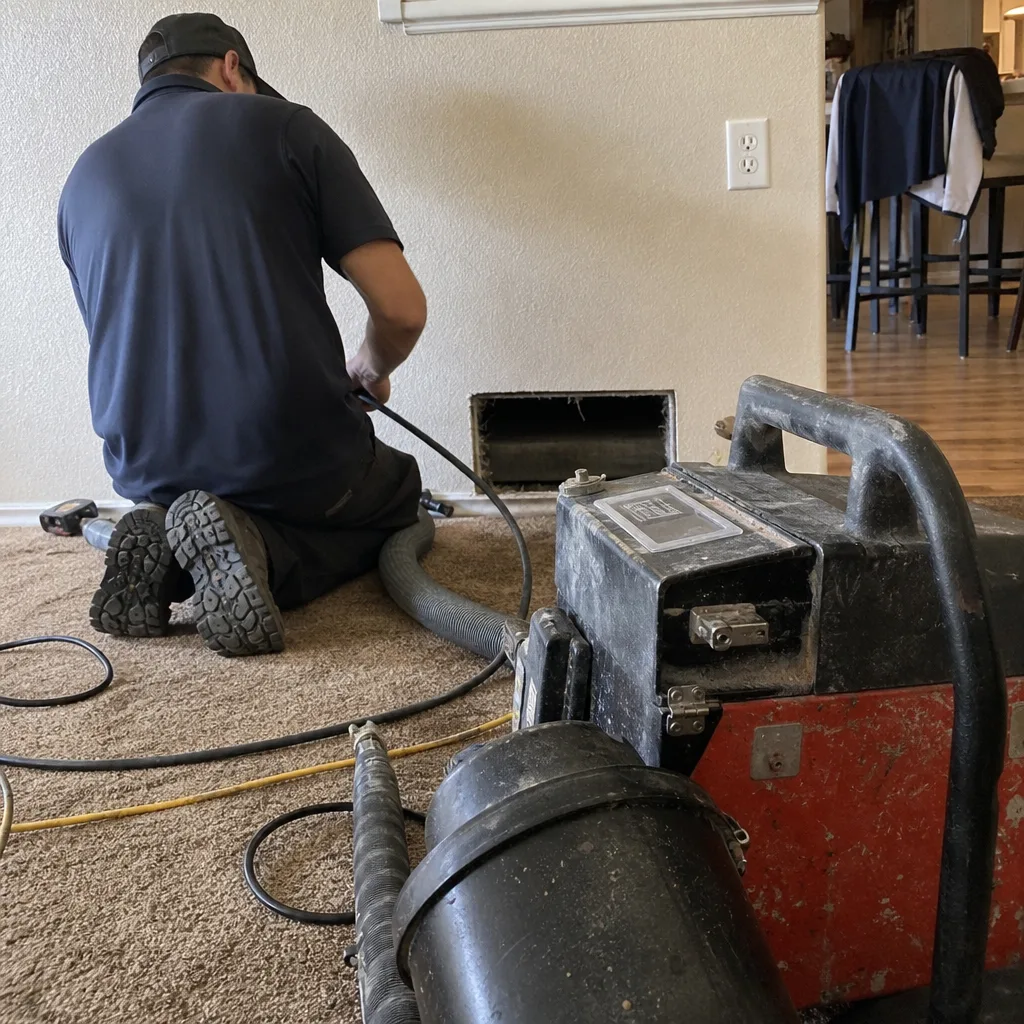 Before
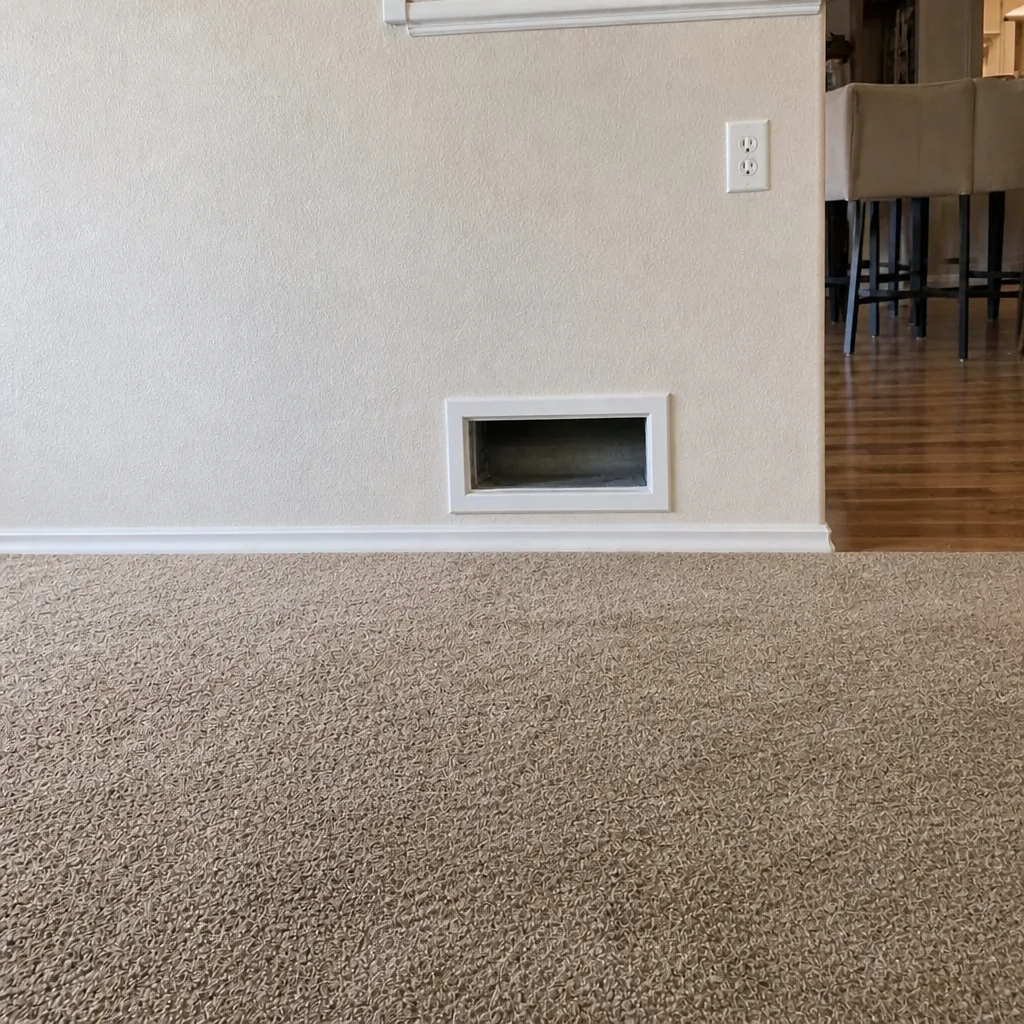 After
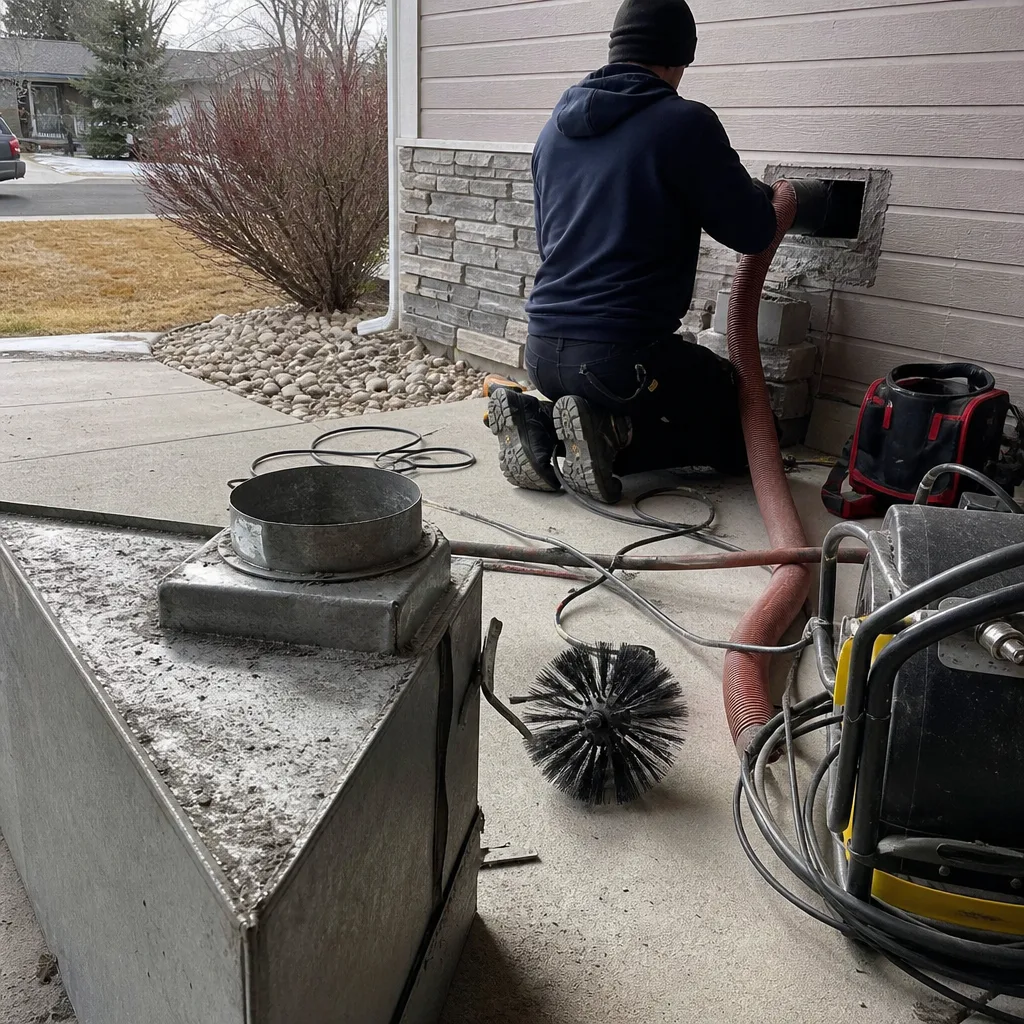 Before
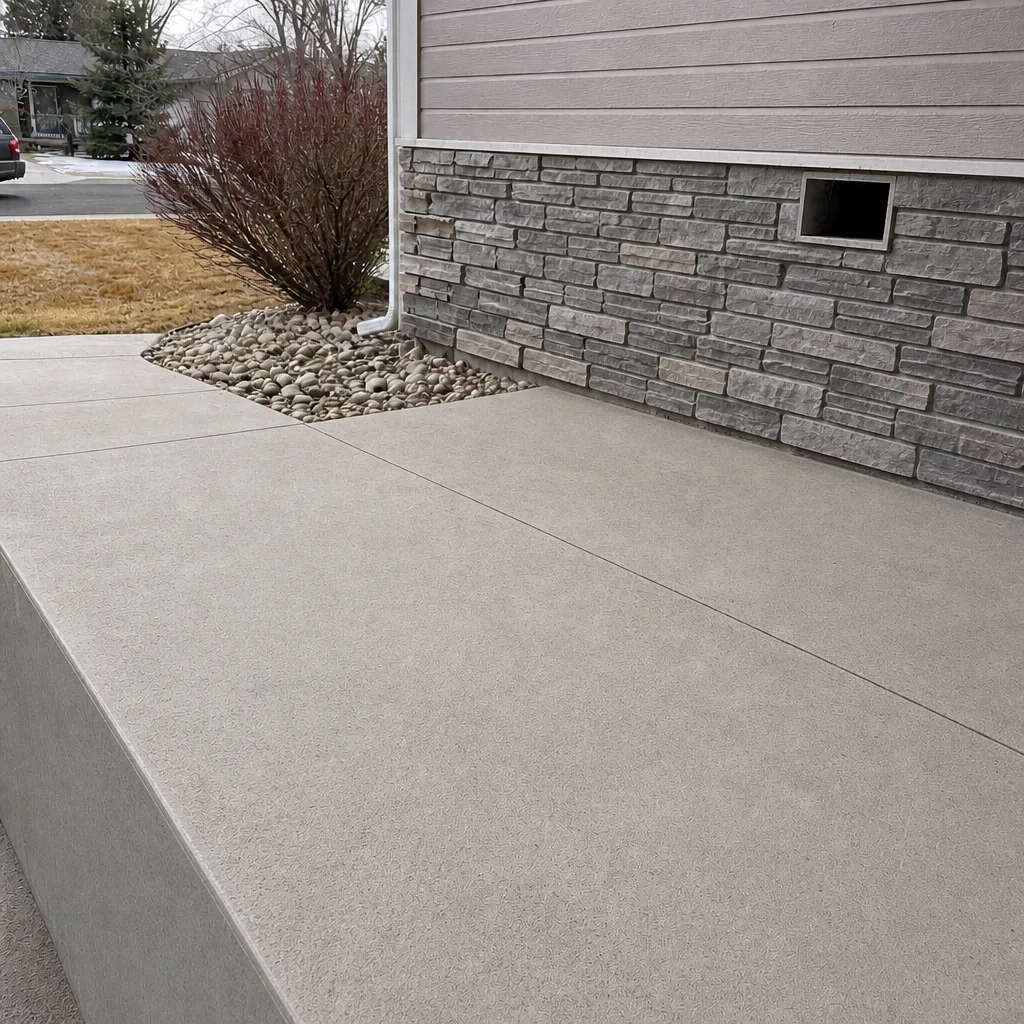 After
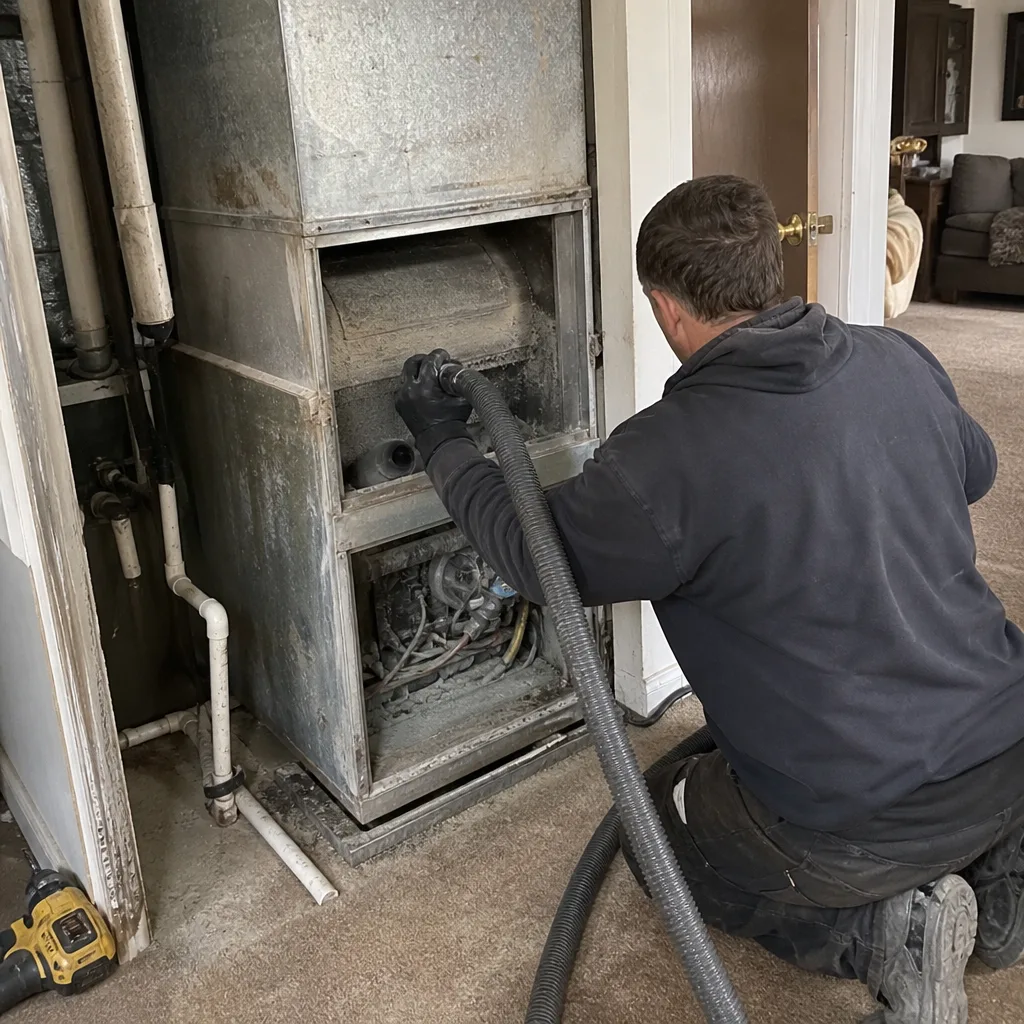 Before
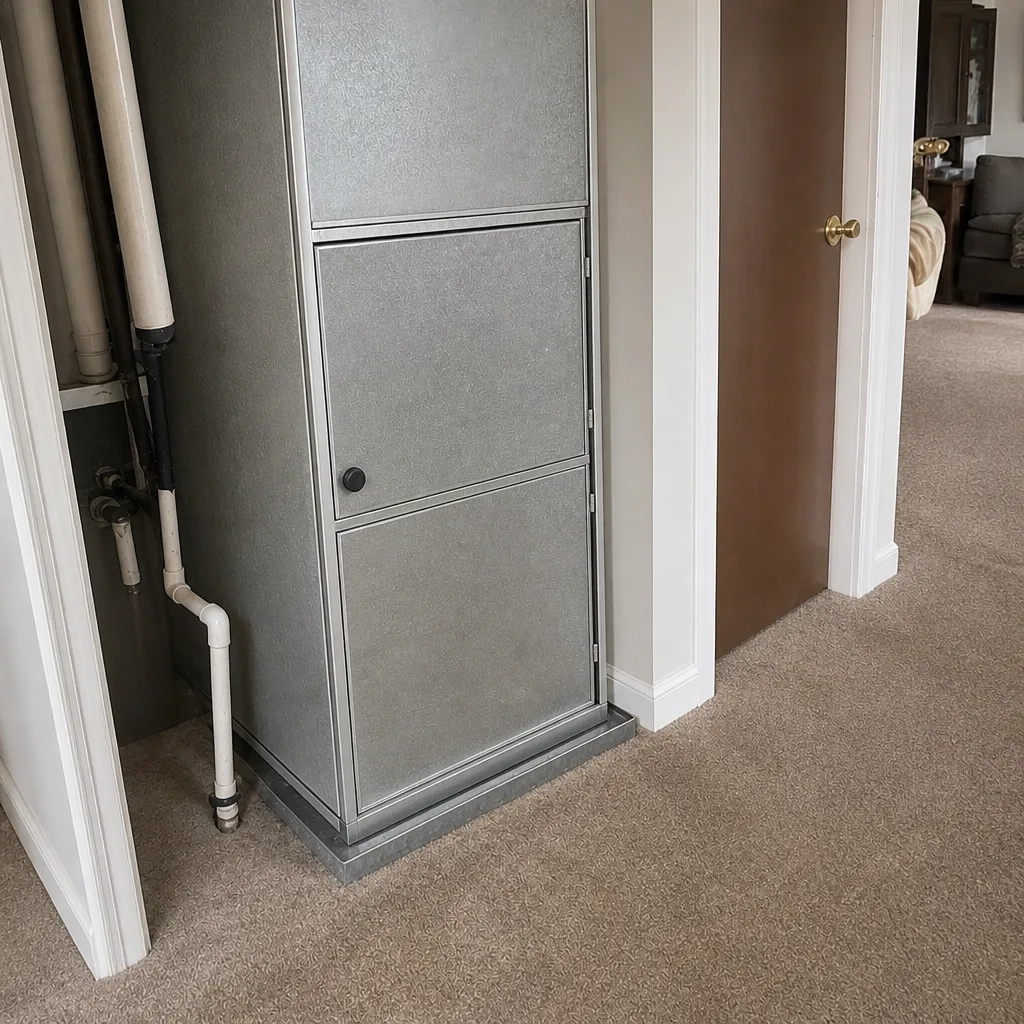 After
When to Call a Professional
Some duct situations clearly call for a professional before anything gets touched. Visible mold growth inside a register boot or on duct board. Suspected asbestos wrap on older duct runs. A duct system that’s leaking air at joints, disconnected in the attic, or has collapse in a flex run. Repeated moisture problems in the ductwork after a roof leak or crawlspace issue. A dryer that’s taking longer than usual to dry a load – the vent may be clogged or disconnected, and that’s a fire risk more than an inconvenience. And any situation where a previous contractor’s work was permitted but the permit appears open or incomplete.
In these cases, get an estimate first. Duct Cleaning Fort Collins offers free estimates in Fort Collins – call (844) 834-5984 to talk it through. We answer 24/7. Fast dispatch, 7am-7pm.
Frequently Asked Questions
No. Routine air duct cleaning in Fort Collins does not require a permit because it doesn’t alter the duct system. A permit is only triggered when the work involves modification, sealing, access panel installation, replacement of duct sections, or remediation of mold or asbestos. If a contractor quotes you a permit for a standard cleaning, ask why.
Fort Collins Building Code Chapter 10 mechanical provisions apply when ductwork is modified, replaced, or substantially altered. Adding a new run, removing one, replacing a section, or sealing joints all typically fall within permit scope. Cleaning – brushing, agitating, and HEPA vacuuming existing ductwork – does not. Call (844) 834-5984 for an exact quote on your situation – estimates are free.
You can’t confirm it visually. Foil-faced or paper-faced insulation on pre-1980 duct runs is a sign to pause and test before anyone disturbs the ducts, but only lab analysis confirms asbestos. Colorado CDPHE regulates abatement of asbestos-containing materials, and abatement is work for a licensed abatement contractor, not a duct cleaner. Cleaning can proceed once the material has been properly abated.
An open permit means permitted work has been started but not finalized by inspection. A closed permit means an inspector signed off and the work is considered complete. For resale documentation you want the closed permit on file. You can look up permit status through the City of Fort Collins or Larimer County portal using the permit number your contractor should provide in writing.
Because some contractors quote for a teaser price that doesn’t cover the actual work. A low coupon figure typically leads to a much larger invoice once a technician is on site, with add-ons for equipment, containment, or “extra zones.” We quote one flat price per system, agreed in writing before work starts, with no per-vent pricing. Call (844) 834-5984 for an exact quote – estimates are free.
Ask for before-and-after photos of your own ducts, not stock photos from any job. The photos should show the specific duct runs that were cleaned, with timestamps or clear identification, and the invoice should list the scope in detail. We provide before-and-after photos as part of the service. Call (844) 834-5984 to schedule.
The Bottom Line
Duct cleaning itself doesn’t need a permit in Fort Collins. Duct modification, sealing, replacement, mold remediation, and asbestos abatement do, each on its own regulatory track – Fort Collins Building Code Chapter 10 for mechanical work, Colorado CDPHE for mold and asbestos. The contractor you hire should be able to say clearly which category your job falls into and why, should provide a permit number in writing when a permit applies, and should be comfortable with you looking up the permit status yourself. In older homes with pre-1980 insulation, the asbestos question comes first, before cleaning. Where work is permitted, take the closed permit and keep it with your records. That file is what a buyer’s inspector wants to see. For everything on this page that lives inside your duct system – cleaning, dryer vent, repair – the process should be transparent enough that you can verify it without asking twice.
Written by the team at Duct Cleaning Fort Collins.