
Last updated November 15, 2026
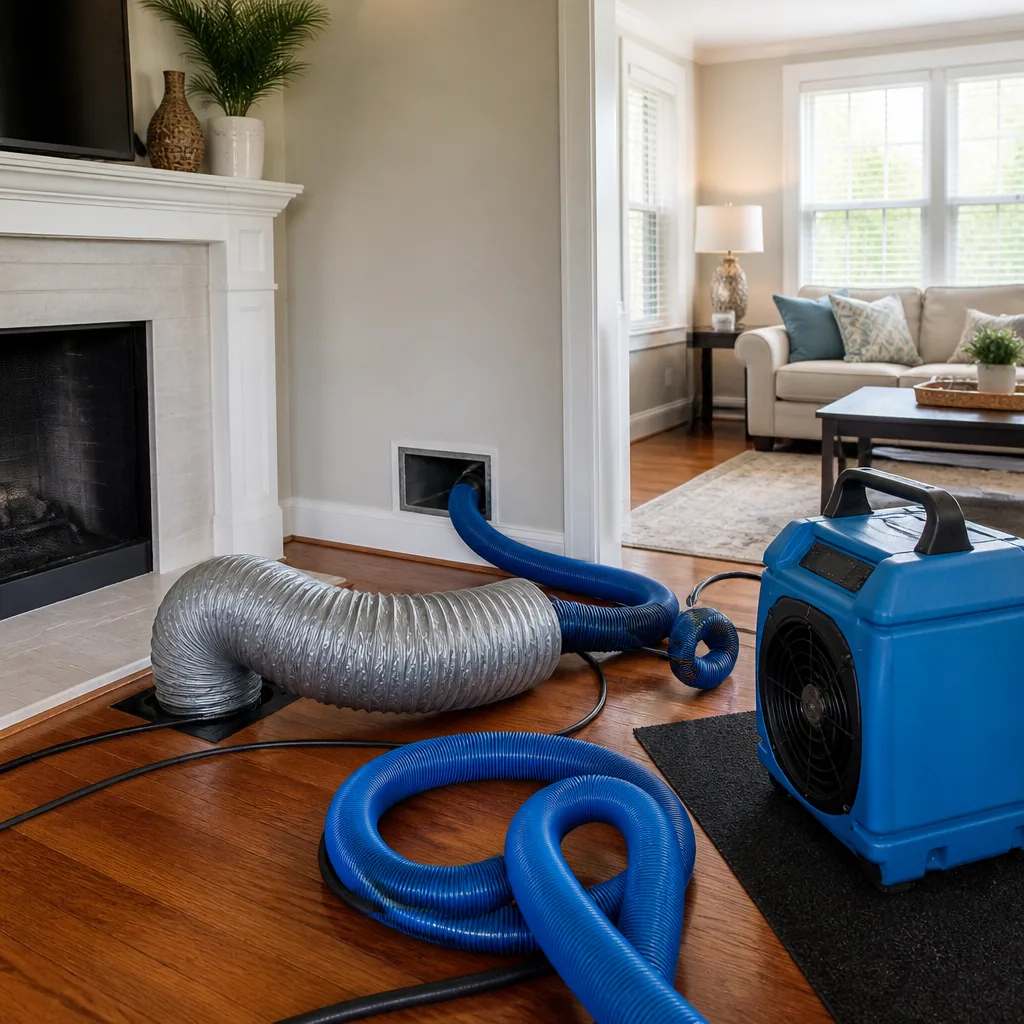 Whole-home duct cleaning
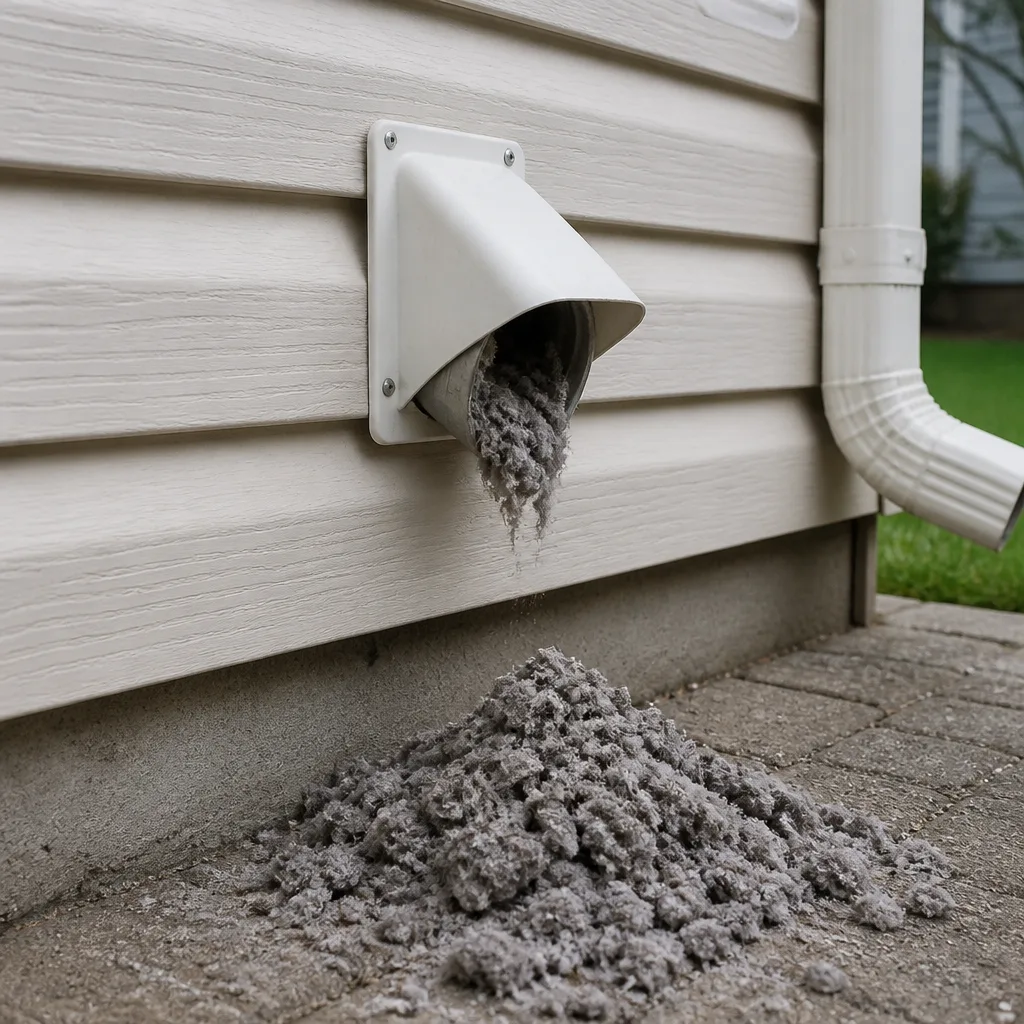 Dryer vent cleaning
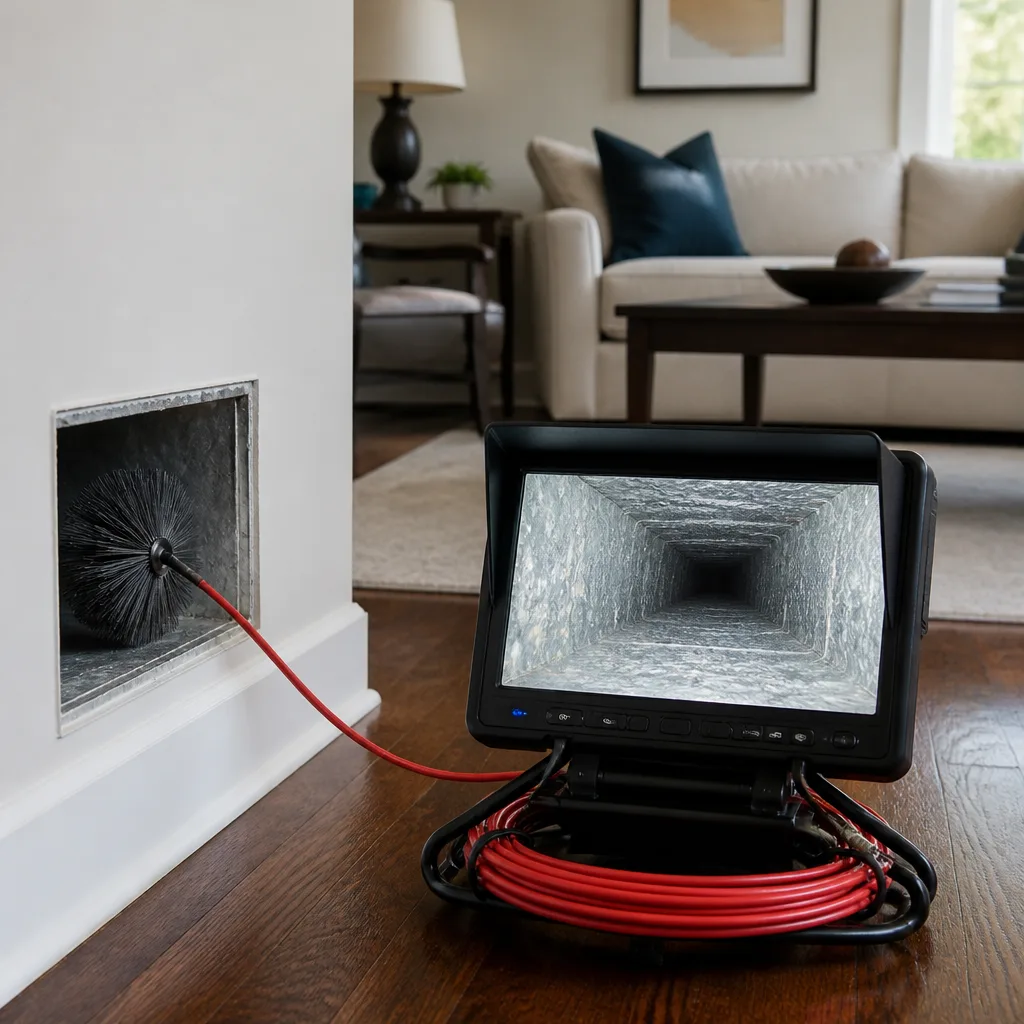 Camera inspection
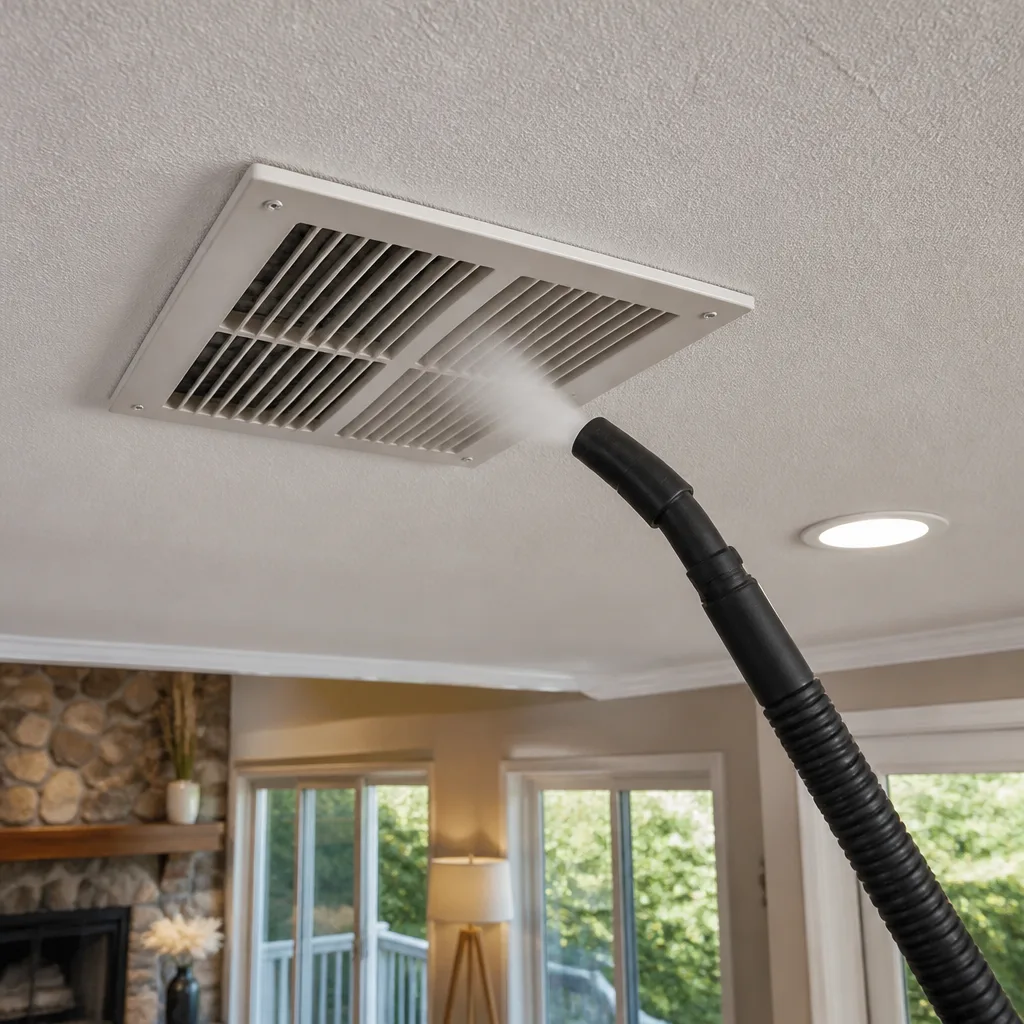 Sanitizing & deodorizing
Whole-system duct and dryer vent check with before-and-after photos - you see exactly what came out of your vents
That "$99 whole-house special" is a bait ad - the real number appears once they are in your hallway, or the "clean" is a shop-vac at the register. We photograph the inside of your ducts before and after instead.
Air Duct Cleaning Warning Signs: A Fort Collins Homeowner’s Reference Guide
Visible dust on your supply registers is one of the least reliable indicators that your ducts are actually dirty. More often it points to a filter that’s bypassing its frame, a system running at the wrong static pressure, or dust settling from the room itself. The signs that genuinely point to a compromised duct interior are subtler, and they look different depending on whether the root cause is dirt, leakage, or an HVAC problem wearing a duct problem’s clothes. This guide separates those signals for Fort Collins homeowners, walks through the differential diagnosis step by step, and shows you when to call for an inspection rather than a full cleaning.
Quick Answer
The three most reliable warning signs of dirty ducts are a persistent musty odor that returns shortly after the system cycles on, visible dust streaks or dark staining radiating out from individual register frames, and a documented history of heavy renovation or rodent activity inside the duct chases. Uneven room temperatures and a dusty home on their own do not confirm dirty ducts; they need to be checked against filter condition, duct leakage, and HVAC performance before you pay for a cleaning.
Styles & brands we work with
- Whole-home duct cleaning
- Dryer vent cleaning
- Camera inspection
- Sanitizing & deodorizing
Table of Contents
- The Differential Diagnosis: Dirty Ducts vs. Filter Failure vs. Leakage vs. Equipment
- Fort Collins Housing Stock: What Register Staining Actually Tells You
- The Odor Taxonomy: Reading Smell Like a Technician
- Post-Renovation Warning Signs Most Homeowners Miss
- Inspection vs. Cleaning: Which Do You Actually Need?
- Six Checks You Can Do From the Floor
- What a Professional Process Looks Like
- Common Mistakes to Avoid
The Differential Diagnosis: Dirty Ducts vs. Filter Failure vs. Leakage vs. Equipment
Most articles lump every symptom of a dusty, uncomfortable home into “dirty ducts.” That’s a costly mistake. Four different problems produce overlapping symptoms, and each has a completely different remedy: cleaning, filtering, sealing, or HVAC repair. Getting the diagnosis wrong means paying for a service that doesn’t fix the actual cause.
Here’s how to sort them apart:
- Dirty ducts: Contamination is inside the duct interior. Signs include musty odor that recurs with every system cycle, visual debris around supply boots, and a documented source (renovation, pest activity, long-neglected return). Remedy: cleaning with agitation and HEPA extraction.
- Filter failure: The filter is undersized, wrong MERV for the system, improperly seated, or simply overdue. Dust bypasses the edges and coats the blower and coils, not the ducts. Signs include a dusty filter frame, dust on the furnace door, and a filter that’s never fit tightly. Remedy: a properly seated filter of the correct rating, checked monthly.
- Duct leakage: Conditioned air is escaping through disconnected joints, torn flex, or poorly sealed plenum connections, usually in unconditioned space like an attic or crawlspace. Signs include high energy bills, certain rooms that never heat well no matter what, and dust drawn in through return-side leaks. Remedy: air duct repair and sealing, not cleaning.
- HVAC equipment malfunction: A failing blower, low refrigerant, a dirty evaporator coil, or a control problem. Signs include short cycling, marginal airflow at every register, or a system that struggles to hold temperature. Remedy: HVAC inspection and repair.
The four problems can coexist, which is why our technicians measure static pressure and scope the duct interior before recommending a service. If we tell you your ducts need cleaning, we can show you why. If the real problem is filter bypass or leakage, we say that too, even when it means we’re recommending air duct cleaning less often than you expected to hear it.
Fort Collins Housing Stock: What Register Staining Actually Tells You
Register staining in Fort Collins homes carries real diagnostic information, and it reads differently depending on which part of the city you live in. In older Midtown and Old Town neighborhoods, dark halos around supply registers often trace back to two things at once: the age of the original sheet-metal ductwork and the construction materials used at the time. Homes from the mid-century era frequently have ducts lined with interior fibrous insulation, and that liner degrades over decades, flaking and settling into the airstream. The staining you see at the register may be the visible end of a hidden liner problem.
Newer construction on the city’s edges tells a different story. Builders in Fort Collins often run flex duct through attics and crawlspaces with fewer supports and less sealing than ideal, and those runs loosen at the joints over time. Dust pulled in through return leaks shows up at supply registers as a thin grey film that reappears within days of cleaning the register face. When we see that pattern in a newer Fort Collins home, we go looking for a leak, not a cleaning job.
Fort Collins’ semi-arid climate matters here too. Low humidity keeps dust airborne longer and lets it settle into duct interiors rather than clump and drain away as it might in a humid climate. Spring pollen season adds a fine organic load on top. That combination means ducts accumulate gradual sediment rather than the dramatic clumps homeowners expect to see. The Fort Collins climate also drives heavy furnace use through the cold months, cycling air through whatever is sitting in the ducts dozens of times a day.
Homes near natural areas and the western edge of town often carry a secondary signal: rodent activity in attic duct chases. Droppings near boots, chewed flex, and a musky smell that’s distinctly not musty all point to a duct system that needs inspection before anything else.
The Odor Taxonomy: Reading Smell Like a Technician
Odor is one of the most information-dense diagnostic tools a homeowner has, but only if you categorize it correctly. Three broad families of smell point to three different sets of causes.
Burning smell on first heat activation. A faint dust-burning smell the first time the furnace fires in fall is usually normal. Dust that settled on the heat exchanger over the summer bakes off within a few cycles. That smell fades within hours to a day. A persistent burning smell, or one that returns with every cycle, is a different matter: it can indicate overheating components, and it warrants shutting the system down and calling for HVAC service. It’s not a duct cleaning call.
Musty smell. A musty odor typically indicates microbial growth, and its location clue matters. If the smell is strongest at registers on one side of the house, contamination is likely in that branch of ductwork. If it’s strongest near the plenum or the furnace closet, the growth may be at the evaporator coil or the interior duct liner near the air handler. We use Abatement Technologies equipment in part because it’s built for mold and contaminant containment, and in our experience duct liner moisture is the single most common source of persistent musty odor in Fort Collins homes.
Chemical or solvent smell. A chemical smell is usually not biological. Two common causes: duct liner off-gassing (some older liners emit a distinct smell when the system runs hot), and infiltration from an attached garage, where vehicle exhaust, fuel, and stored chemicals get drawn into the return side through a leak or a shared wall penetration. If the smell is strongest when a car has recently been running, the problem is infiltration and often a sealing issue rather than contamination. Air duct repair frequently closes that gap.
Keeping a short log of when each smell appears and where it’s strongest will save time during a diagnostic visit. It’s the single most useful thing you can do before a technician arrives.
Post-Renovation Warning Signs Most Homeowners Miss
Standard furnace filters are rated to capture particles within a certain size range, and construction dust produces an enormous volume of particles below that range. Drywall dust, sawdust from a table saw, and silica dust from tile and concrete work pass through a MERV 8 filter with very little resistance and settle directly into duct interiors. Homeowners who added a good filter before a renovation are often surprised to find that contamination inside the ducts is worse than expected afterward.
The contamination timeline is faster than most people assume. A week of interior drywall sanding can deposit a visible layer of fines inside supply and return trunks. And the real danger isn’t the visible layer. It’s that those fines coat the blower wheel, the evaporator coil, and the duct interior surface uniformly, where they hold moisture and accelerate biological growth.
Post-renovation warning signs to watch for:
- Drywall dust visible at multiple supply registers, not just the ones nearest the work area.
- A musty smell that appears weeks after the renovation rather than immediately.
- Fine white or grey powder on return grilles and inside the filter frame after the project is complete.
- A furnace or AC that runs longer than usual for the same temperature setting.
- Visible dust on the evaporator coil during the next HVAC service.
If your renovation involved cutting into the ceiling or opening walls where ducts run, contamination inside the duct chase is nearly certain. That’s a good reason to schedule an inspection rather than wait for a symptom to appear.
Inspection vs. Cleaning: Which Do You Actually Need?
The distinction between an inspection and a cleaning is the single most expensive thing to get wrong in this trade, and it’s the reason we separate the two. An inspection diagnoses. A cleaning remedies. Calling for a cleaning when you don’t need one wastes money. Calling for an inspection when what you actually need is an air duct repair wastes the inspection.
An inspection is usually the right first move when:
- The symptom is ambiguous (dust but no odor, or odor but no visible debris).
- You’ve recently bought the home and don’t know the duct history.
- You’ve had a renovation, rodent activity, or water intrusion.
- Your HVAC contractor has flagged possible duct leakage.
A professional inspection typically includes camera scoping of the duct interior, static pressure measurement (comparing to design spec), visual verification of the return and supply trunks, inspection of accessible joints for leakage, and a look at the filter and its frame. That’s a diagnostic visit that produces a clear recommendation. A reputable technician will tell you flat out when the answer is “your ducts don’t need cleaning.”
A cleaning is the right call when the inspection confirms contamination. That’s what separates a duct cleaning Fort Collins service that reads its own findings from one that just sells you the cleaning.
Six Checks You Can Do From the Floor
You don’t need equipment to run a first-pass filter on your own home. These six checks cover the highest-yield observations, and any one of them is reason enough to call for an inspection.
- Check the filter frame for bypass. Pull the filter and look at the edges. If dust is passing around the frame and coating the blower compartment, you have bypass. A tight seal matters more than a higher MERV rating.
- Look at register interiors with a flashlight. Dust, flakes, or fibrous debris visible on the inside of the boot suggests contamination. Uniform light grey film alone is not a strong signal.
- Note when the dust reappears. If dust returns to registers within a few days of wiping them clean, the source is active rather than settled.
- Track temperature variance by room. Two rooms that are consistently different from the rest often indicate a duct leakage or a damper issue rather than dirty ducts.
- Sniff the return grille. A musty odor at the return that’s not present elsewhere in the room is a meaningful clue.
- Check the dryer vent run. Lint accumulation in the flexible section behind the dryer or at the outdoor termination is a fire risk, not just a cleaning issue. Dedicated dryer vent cleaning addresses it, and it’s worth checking even if your ducts are pristine.
What a Professional Process Looks Like
The difference between a legitimate cleaning and a $99 special is almost entirely about equipment and process. The $99 special usually means a shop-vac, a quick pass over visible registers, and an invoice. A professional cleaning involves four distinct phases, each with a purpose.
- Containment and protection. Floors, furnishings, and the system’s air handler are protected before any equipment enters the space. Abatement Technologies containment is the same equipment standard used in mold and contaminant remediation because it manages dust migration at that level.
- Agitation. Rotobrush brush-and-vacuum systems mechanically loosen debris from duct walls. Vacuum alone pulls loose surface dust; agitation breaks the adhesion that holds contaminants to duct interiors over years.
- HEPA extraction. Nikro HEPA extraction captures fine particulate that standard vacuums exhaust back into the airstream. This is the phase that removes what agitation freed. Without it, agitation just redistributes.
- Verification and repair findings. Cameras document the before-and-after condition of your own ducts. Any compromised joints, torn flex, or liner damage gets reported so you can decide on repair separately.
We name our tools because we’re proud of them. Rotobrush, Nikro, and Abatement Technologies are equipment you can research independently, and a homeowner who knows what a legitimate cleaning involves is far harder to mislead. We also stock and service Honeywell and Aprilaire indoor air quality components, which matters when the finding from a cleaning is “your duct system is fine but your filtration isn’t.”
Common Mistakes to Avoid
- Treating a dusty home as proof of dirty ducts. Dust in the room is usually a filter, sealing, or cleaning-frequency issue. It’s only a duct signal when paired with odor, visible contamination at the boot, or a known contaminant event.
- Buying the cheapest advertised price without asking about equipment. A $99 headline rarely includes agitation and HEPA extraction. Ask what equipment goes in your home before agreeing to anything.
- Skipping the filter after the cleaning. Cleaning a duct system and then putting back a bypassing filter means the contamination starts rebuilding the day you pay the invoice.
- Confusing duct cleaning with duct repair. Cleaning removes what’s in the ducts. Repair addresses damaged joints, disconnected flex, or degraded liner. A home in Fort Collins with a torn attic run needs repair, and cleaning can’t fix that.
- Waiting on post-renovation contamination. Fort Collins renovations produce fine dust that settles into ducts within days. Scheduling an inspection after the project closes is cheaper than dealing with biological growth months later.
- Ignoring the dryer vent because the ducts look clean. Lint in the dryer vent run is a separate fire risk from duct contamination, and it needs its own dedicated cleaning.
- Letting a technician clean without showing you any evidence. Before-and-after photos of your own duct interior are not optional. If they aren’t offered, ask.
See the difference
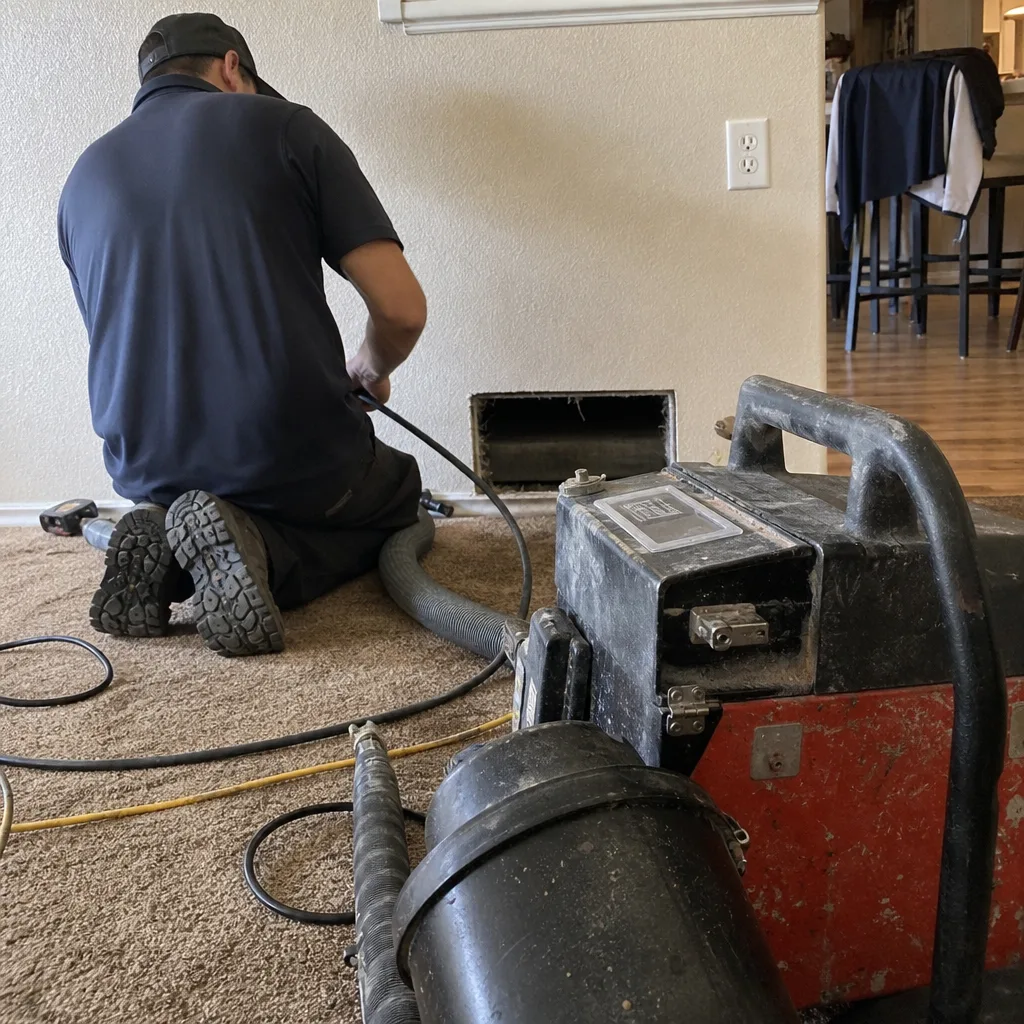 Before
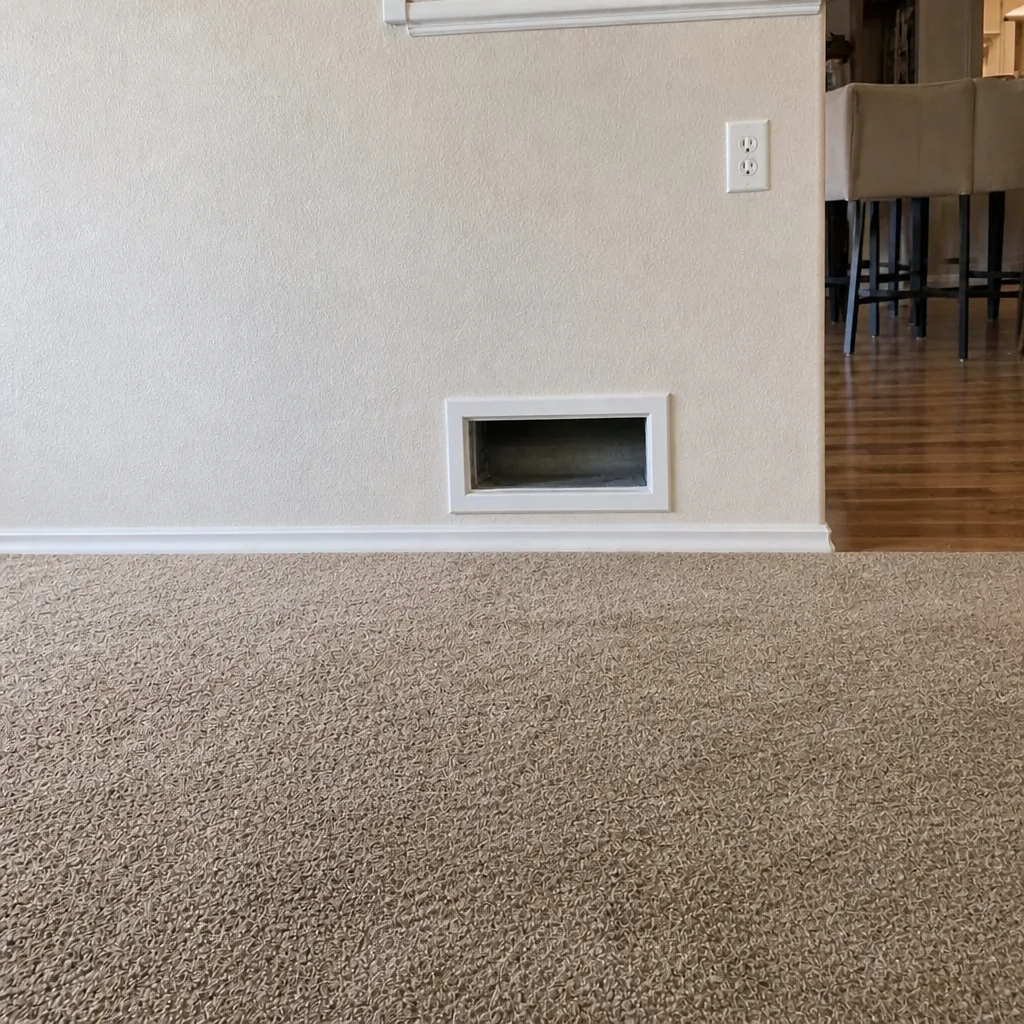 After
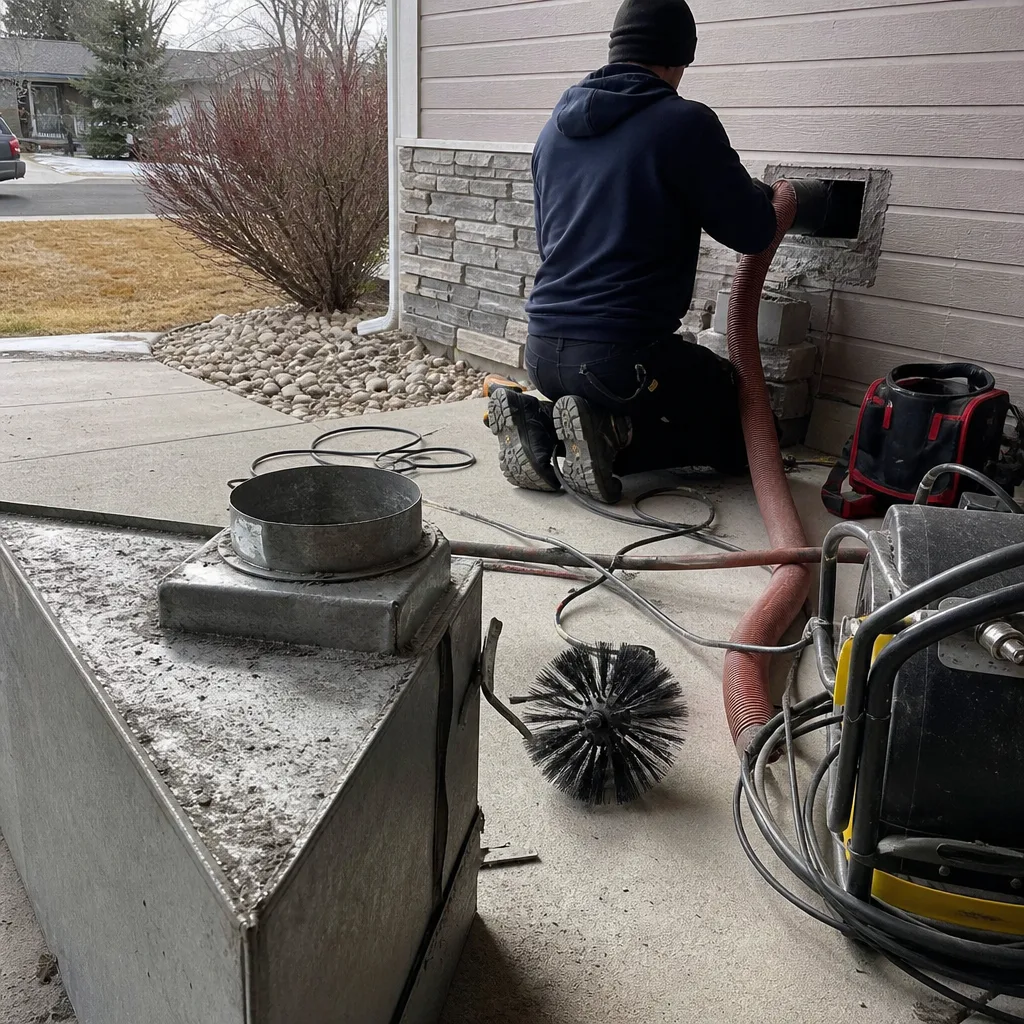 Before
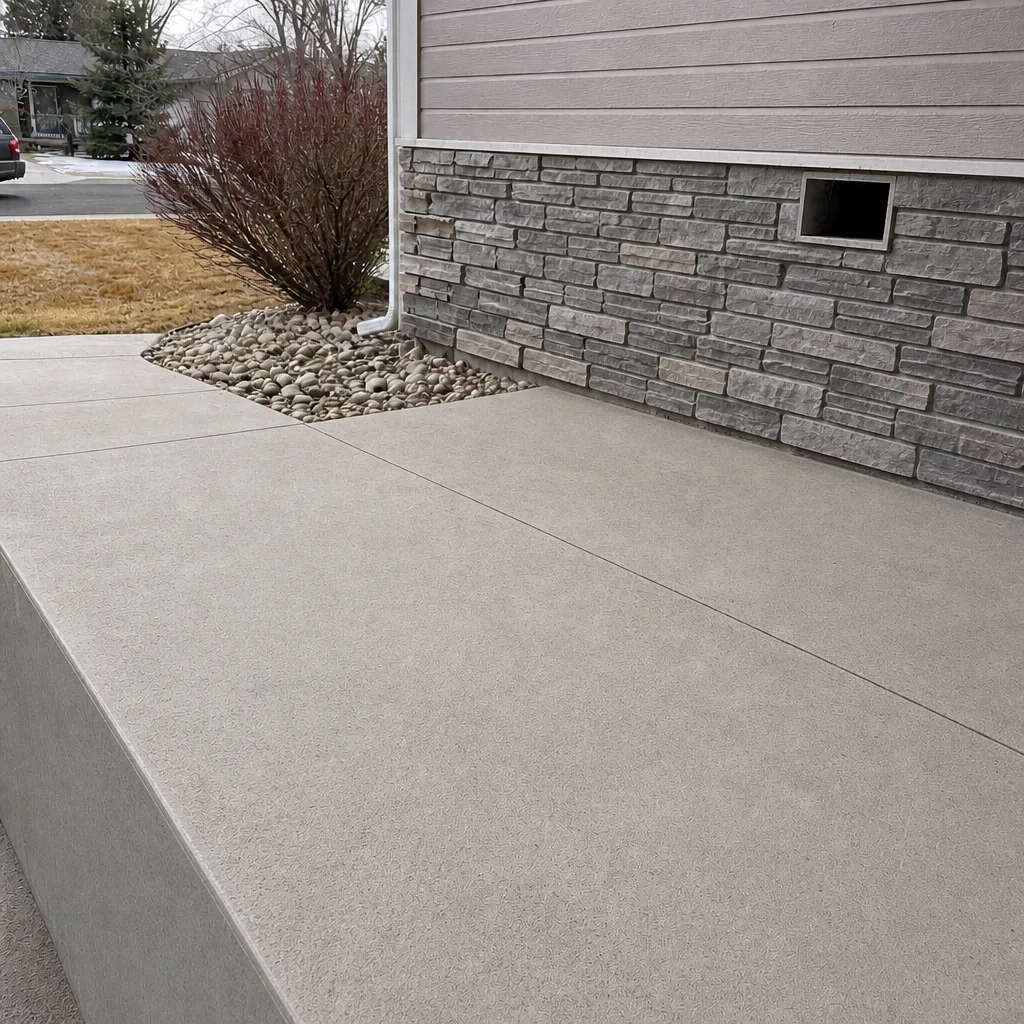 After
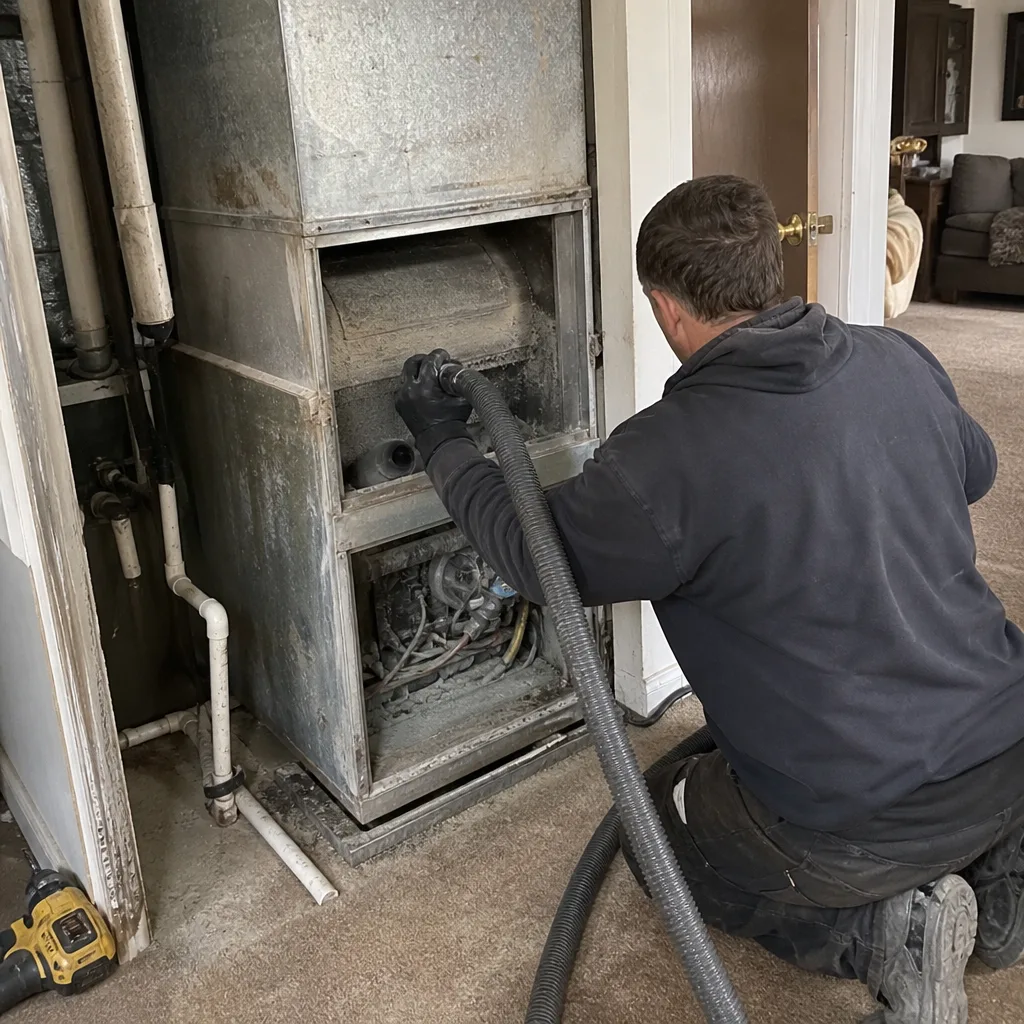 Before
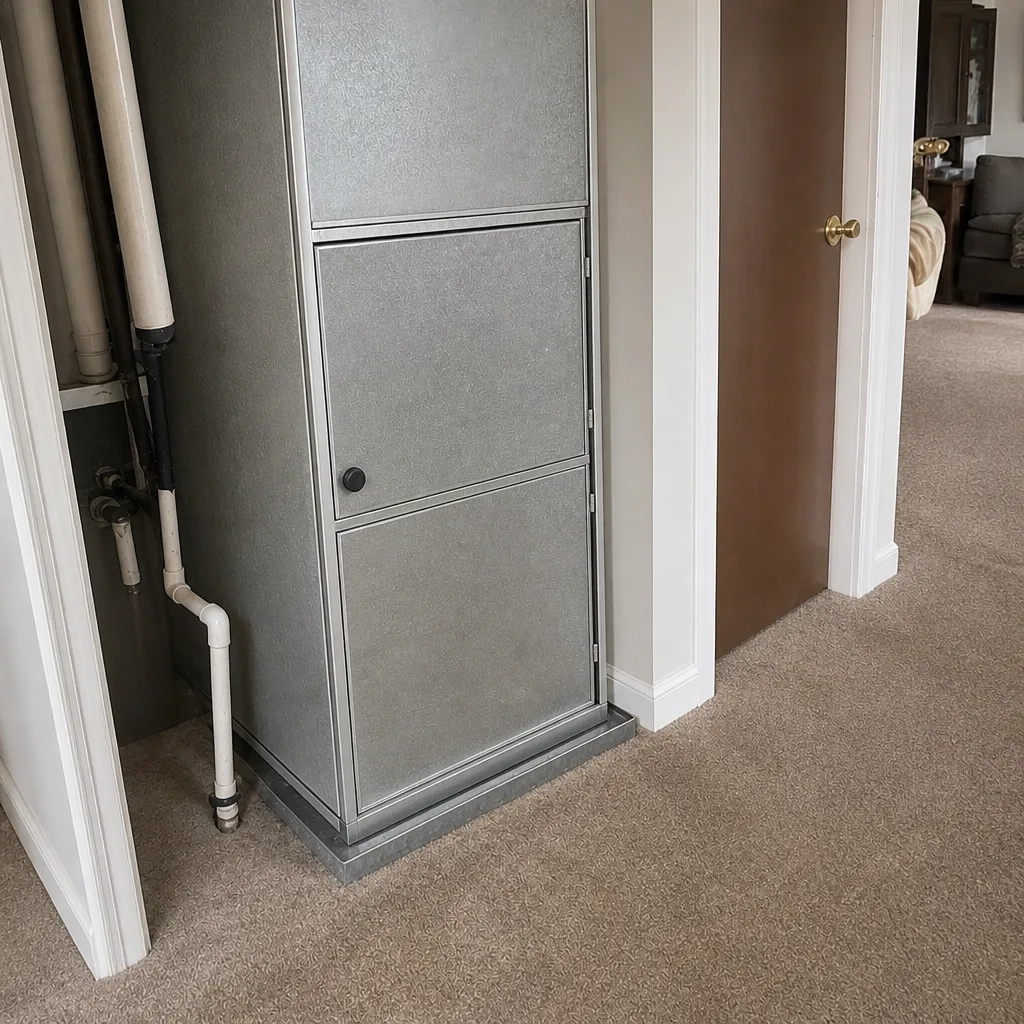 After
When to Call a Professional
Call for a professional inspection when you notice a musty odor that returns with the system cycle, visible debris at multiple registers, or a documented contamination event like a renovation, rodent activity, or water intrusion. Call when your HVAC contractor flags possible duct leakage, when you’ve bought a Fort Collins home with unknown duct history, or when you can’t trace dust to filter, sealing, or equipment. Call if a burning smell persists beyond the first fall heating cycle; that’s an HVAC call, not cleaning, and it needs attention fast. Duct Cleaning Fort Collins offers free estimates in Fort Collins. Call (844) 834-5984. We answer 24/7. Fast dispatch from 7am to 7pm, Sunday through Friday. Our technicians have up to 12 years of experience, and we run the same equipment the remediation industry uses. Prices are set per job by the written estimate before any work starts.
Frequently Asked Questions
The deciding factor is location. Dust on the filter frame, blower door, or near the air handler points to filter failure. Dust, debris, or musty odor inside the duct interior at the registers and returns points to the ducts. A professional inspection with camera scoping and static pressure measurement settles the question in one visit. Call (844) 834-5984 for an estimate, and we’ll tell you which one you actually need.
No. Musty odor can come from a wet evaporator coil, a damp crawlspace connected to return air, or a degrading duct liner, all without active mold in the duct interior. Where the smell is strongest narrows the cause considerably. A musty smell concentrated at one zone of the house points to that branch of ductwork; one strongest at the plenum points to the air handler. An inspection separates these cases. Call us at (844) 834-5984 for a diagnostic visit.
Two reasons common to the city’s older neighborhoods: original sheet-metal ductwork with interior fibrous liner that degrades over decades, and construction from eras when duct sealing was less rigorous than today. Mid-century homes in Midtown and Old Town frequently show staining from degrading liner as well as dust accumulation. Newer construction on the city’s edges tends to show joint leakage rather than liner failure. Call (844) 834-5984 and we can tell you which pattern fits your home after an inspection.
Within a few weeks, once the demolition and drywall work are finished. Fine construction dust settles into duct interiors faster than most homeowners expect, and biological growth accelerates once that dust holds moisture from normal system operation. Cleanup during the renovation helps, but it doesn’t reach inside the duct interior. Call (844) 834-5984 for a post-renovation estimate and we’ll scope the ducts before anything gets cleaned.
Cleaning removes contaminants from inside the ducts. Repair addresses physical problems like disconnected joints, torn flex duct, or damaged liner, which cause leakage and dust infiltration. Sometimes cleaning is right, sometimes repair is, and sometimes both are needed. We offer repair as a standalone service, which means we can diagnose and fix ductwork rather than just clean around it. Call (844) 834-5984 for a free estimate.
Yes, or someone authorized to let the technician in and approve findings on-site. An inspection can turn up repair needs that aren’t visible until the camera is inside the ducts. The estimate process covers that, and our equipment setup protects furnishings before any work begins. Call (844) 834-5984 to schedule. We answer 24/7. A call outside dispatch hours is booked into the next opening, Sunday through Friday, 7am to 7pm.
The Bottom Line
Dusty registers are the least reliable duct-cleaning signal there is. Musty odor that returns with every system cycle, visible debris at multiple boots, staining patterns tied to the age and material of your specific ductwork, and a documented contaminant event like a renovation or rodent intrusion are the signs worth acting on. The rest usually traces back to filter bypass, duct leakage, or an HVAC problem, and each of those has a different fix. Get the diagnosis right before agreeing to any service, ask what equipment is going into your home, and expect before-and-after photos of your own ducts. Our technicians have up to 12 years of experience, we name the equipment we use, and we offer air duct repair as its own service because cleaning can’t fix a torn duct. Call (844) 834-5984 for a free estimate. We answer 24/7. Fast dispatch from 7am to 7pm, Sunday through Friday.
Written by the team at Duct Cleaning Fort Collins.