
Last updated November 15, 2026
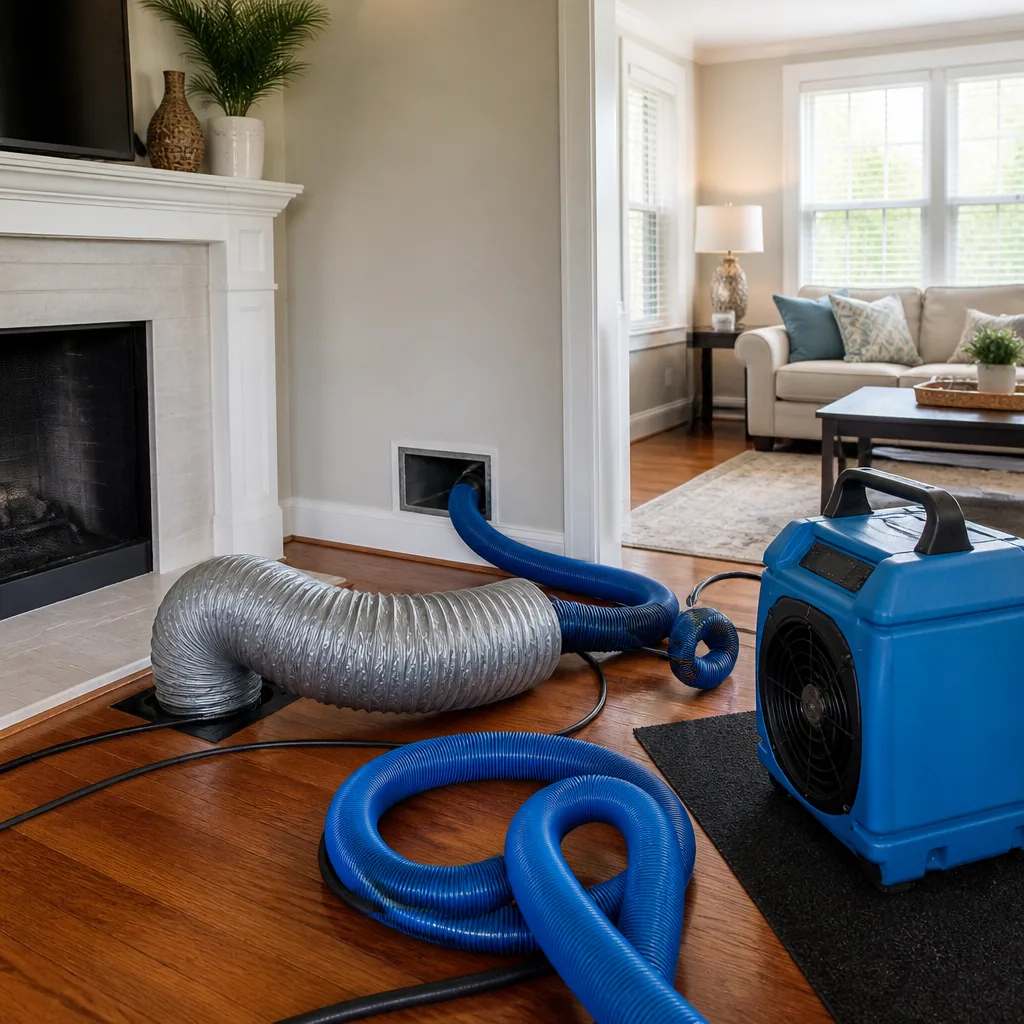 Whole-home duct cleaning
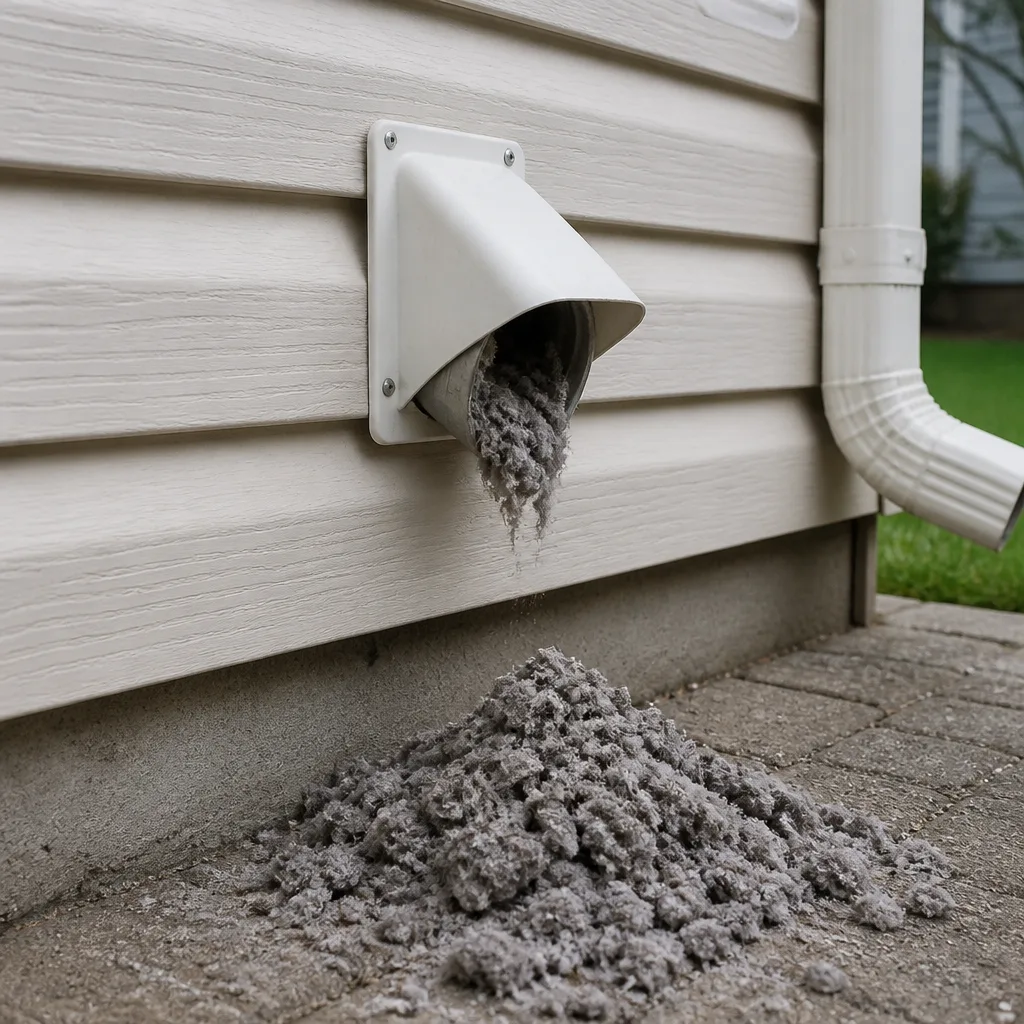 Dryer vent cleaning
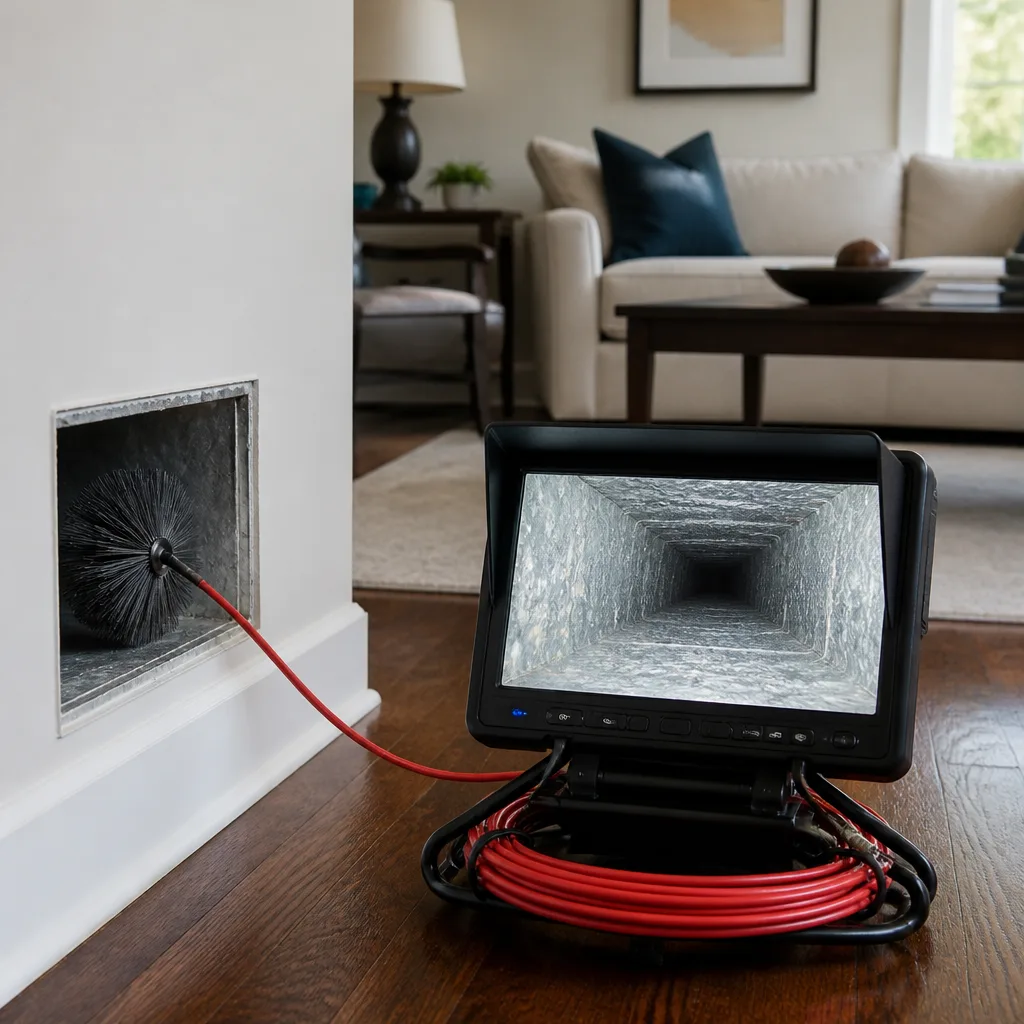 Camera inspection
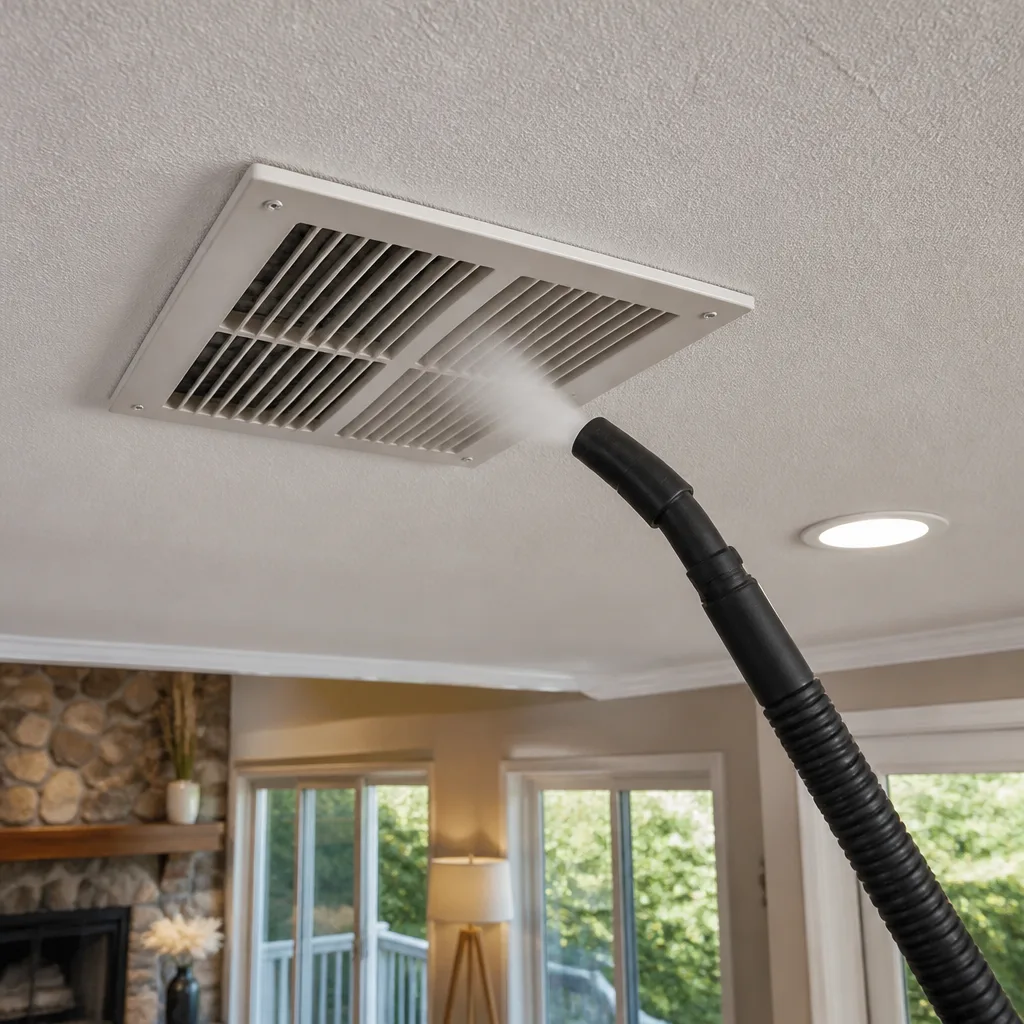 Sanitizing & deodorizing
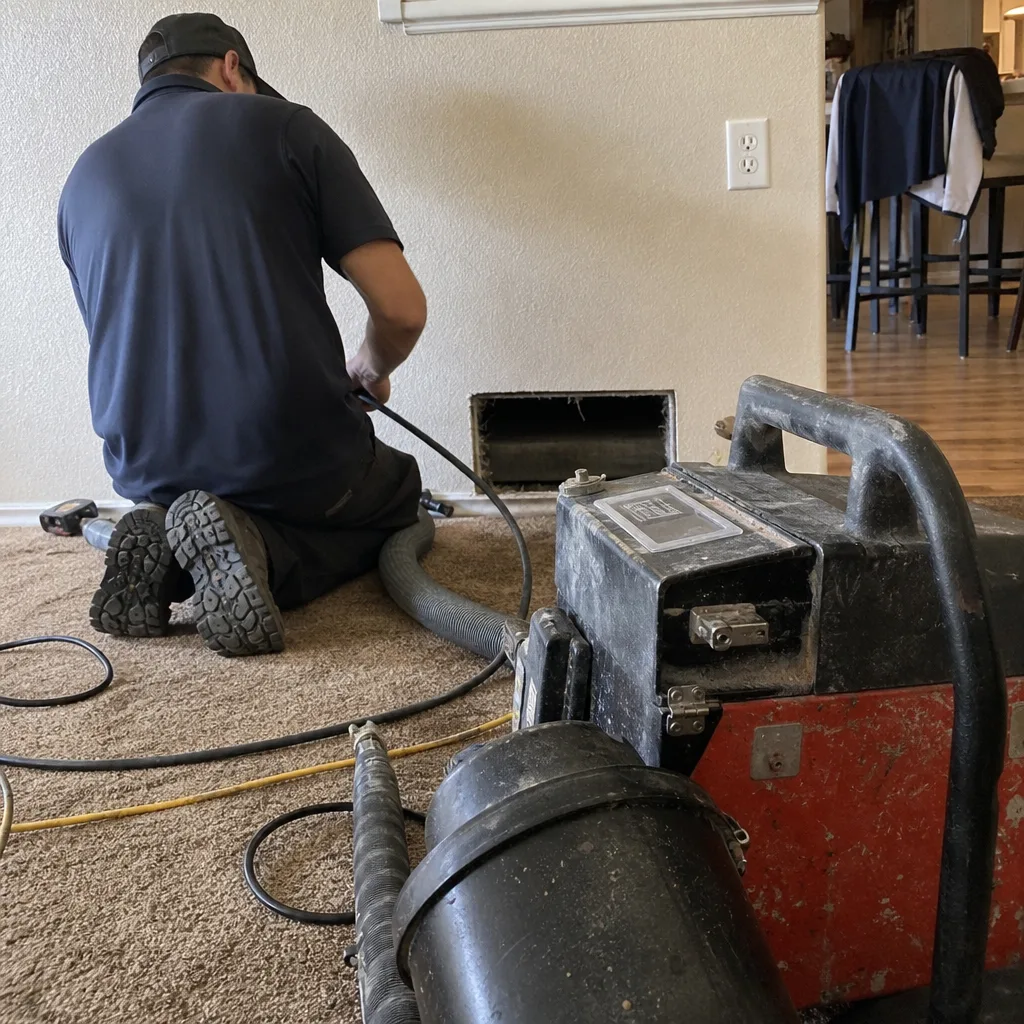
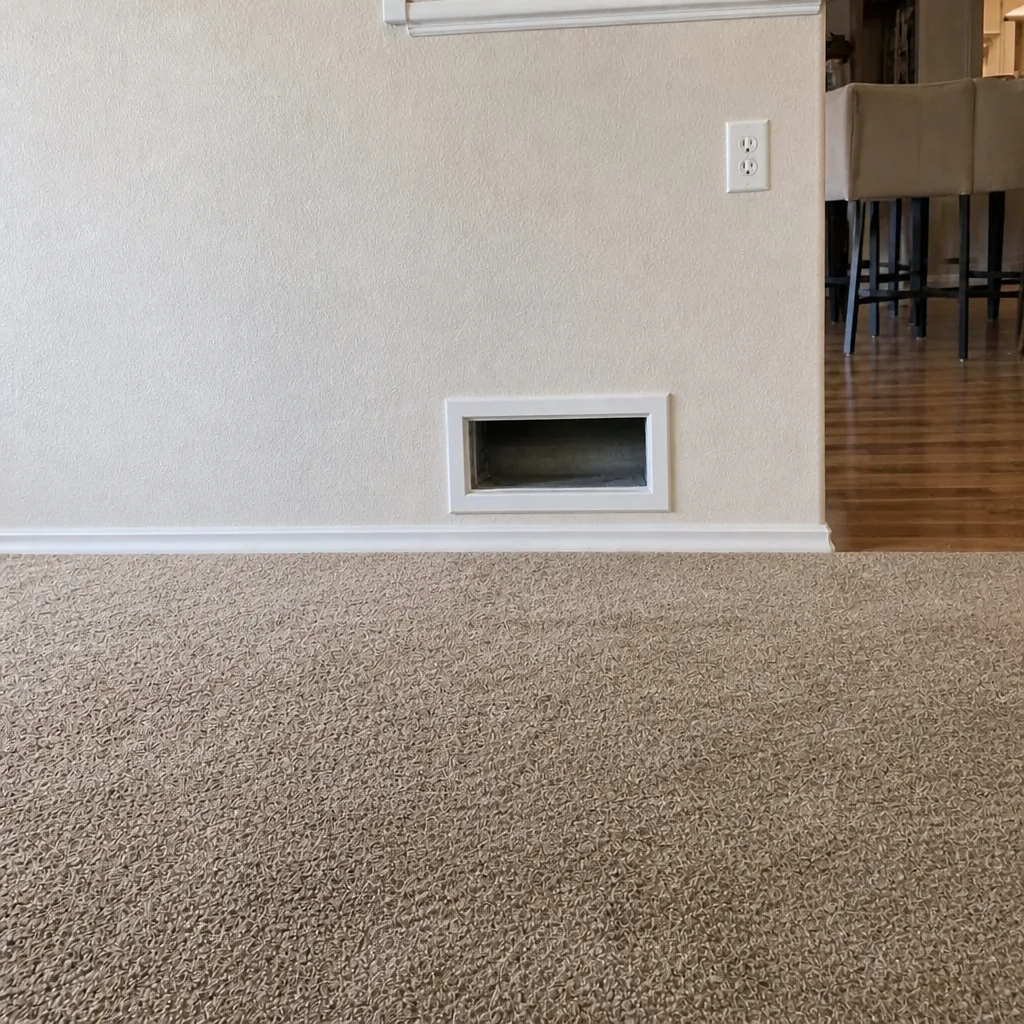
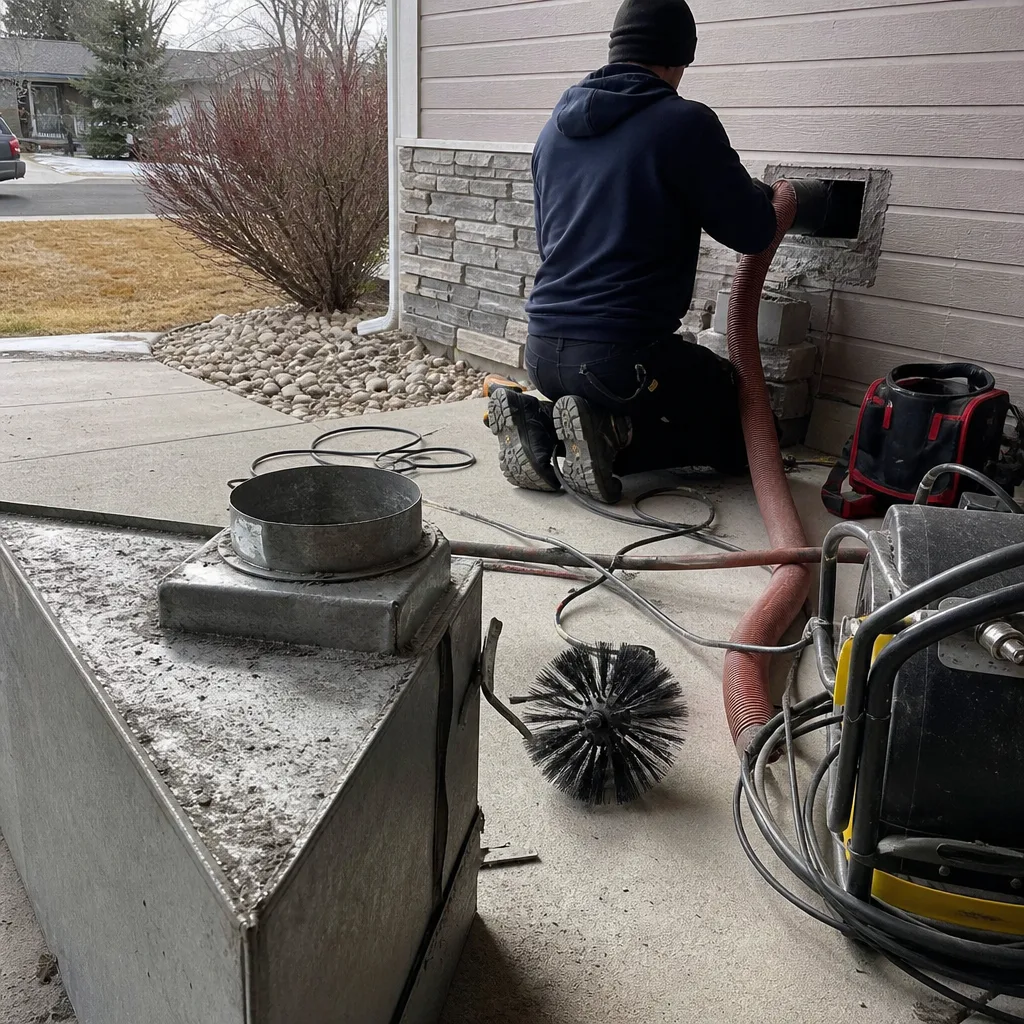
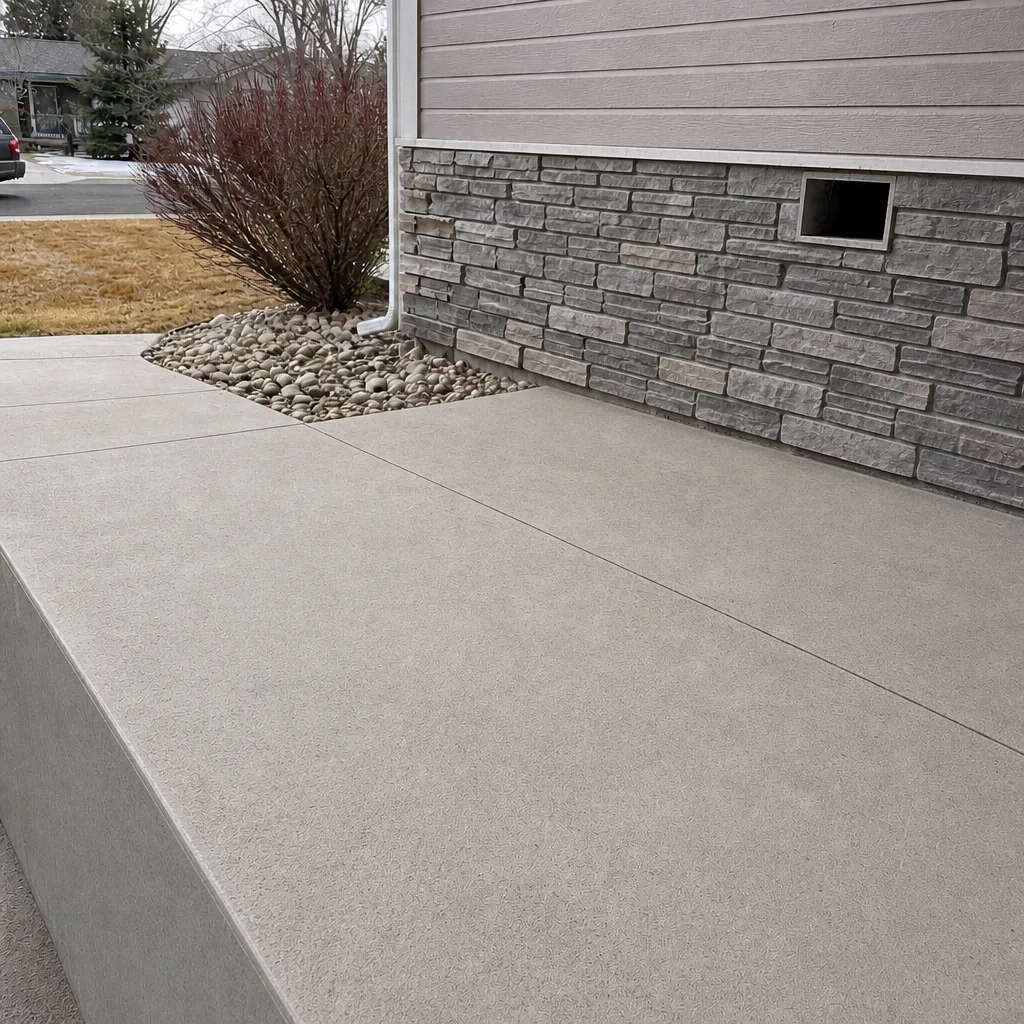
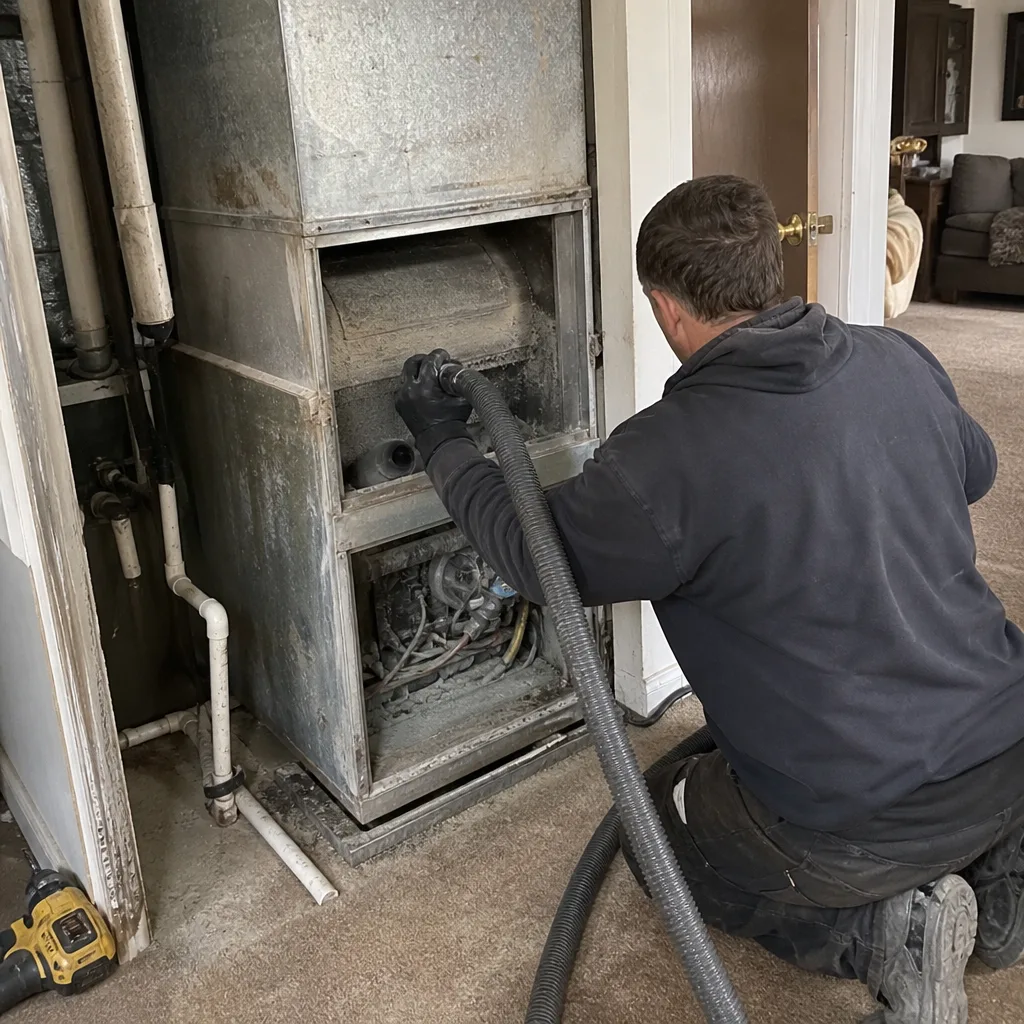
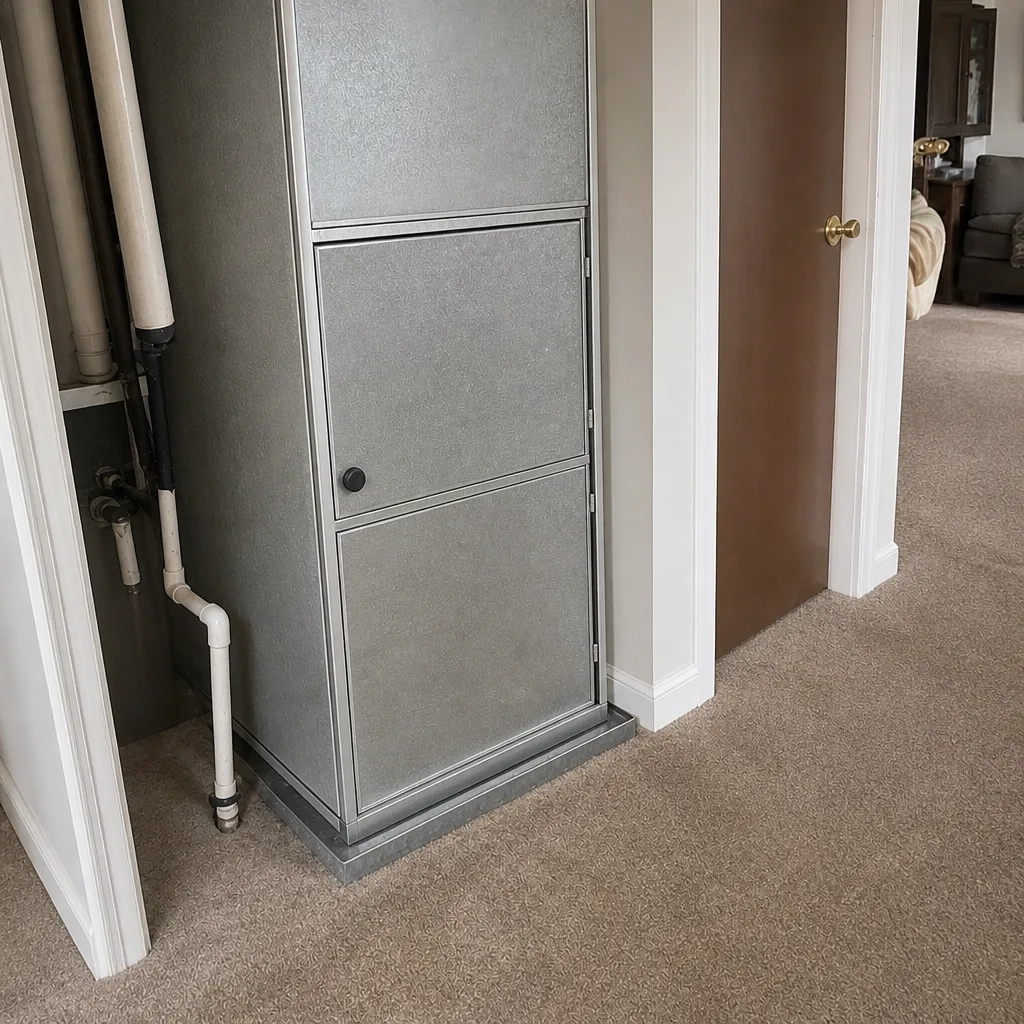
Whole-system duct and dryer vent check with before-and-after photos - you see exactly what came out of your vents
That "$99 whole-house special" is a bait ad - the real number appears once they are in your hallway, or the "clean" is a shop-vac at the register. We photograph the inside of your ducts before and after instead.
The Complete Guide to Air Duct Cleaning in Fort Collins
Most homeowners in Fort Collins who search for duct cleaning have already read the same national article twice. The one that quotes the EPA saying duct cleaning has “never been proven to prevent health problems,” then suggests a vacuuming session might help anyway. That guidance has its place, but it was written before negative-pressure HEPA extraction became the standard in legitimate remediation work. Most of what’s marketed as duct cleaning in Fort Collins still doesn’t meet that standard. This guide maps the actual contamination profile of a Front Range home to the equipment and process steps that address it, so you know exactly what you’re buying before anyone touches your HVAC system.
Quick Answer
Air duct cleaning in Fort Collins is a mechanical and extraction process, not a vacuuming session: a brush-and-vacuum agitation system breaks debris loose inside each run, and a HEPA extraction unit running under negative pressure pulls that debris out of the system and captures it in a filter rather than pushing it into your living space. In a semi-arid, high-altitude climate with agricultural particulate from Larimer County farmland and recurring wildfire smoke events, the standard worth paying for includes pre-cleaning inspection, access point mapping, visible before-and-after documentation, and equipment you can verify by name. Anything less is surface-level cleaning.
Styles & brands we work with
- Whole-home duct cleaning
- Dryer vent cleaning
- Camera inspection
- Sanitizing & deodorizing
Table of Contents
- Why Fort Collins Ducts Get Dirty Differently
- Brush-and-Blow vs. Negative-Pressure HEPA Extraction
- What a Real Pre-Cleaning Inspection Involves
- Post-Wildfire Smoke: A Separate Contamination Category
- How to Read a Contractor’s Equipment List in 60 Seconds
- How Much Air Duct Cleaning Costs in Fort Collins
- How Often Ducts Really Need Cleaning Here
- When Cleaning Isn’t Enough: Duct Repair
Why Fort Collins Ducts Get Dirty Differently
Fort Collins sits at roughly 5,000 feet on the Front Range, and that elevation changes how dust behaves inside a home. The air is thin and typically dry, which means fine particulate stays suspended longer and gets drawn into return air more readily. Add the semi-arid climate and the wind that sweeps across the plains, and you get a steady supply of fine mineral dust that national cleaning advice largely ignores.
Then there’s the agricultural piece. Fort Collins sits along the I-25 corridor surrounded by Larimer County farmland, and during planting, harvest, and windy spring days, the air carries organic particulate that behaves differently in a duct system than plain house dust. It’s lighter, it clings to the tacky interior surface of flex duct, and it feeds the biological activity that makes a system smell musty when the furnace kicks on in October.
Wildfire smoke is the third layer. Smoke season has become a recurring feature of summers here, and when the Front Range fills with smoke, the HVAC system becomes the entry point for fine particulate that settles in the plenum and on the interior walls of every trunk line. That’s a different contamination category than ordinary dust, and treating it like ordinary dust is one of the most common mistakes we see.
What this means for a typical Fort Collins home:
- You’ll see faster buildup on return-side ductwork than the national averages suggest, simply because more fine particulate enters the system.
- Older homes in neighborhoods like Old Town and the CSU area often have original sheet metal ductwork with more seams and joints, which trap debris and let it re-enter the airstream.
- Newer construction across Fort Collins uses mostly flex duct, which has a corrugated interior that catches debris along its ridges and is harder to agitate cleanly.
- Homes with pets and forced-air heat see compound buildup: dust, hair, dander, and agricultural particulate, all glued together by normal household humidity.
None of this makes Fort Collins unusual in a way that requires a Fort Collins-specific cleaning method. What it does mean is that generic “blow out the ducts” approaches leave more behind here than they would in a place with cleaner air and different climate.
Brush-and-Blow vs. Negative-Pressure HEPA Extraction
The gap between what most duct cleaning services do and what the job actually requires comes down to one physical principle: where does the debris go when you agitate it?
In a brush-and-blow operation, a technician inserts a spinning brush into the duct and runs a shop-vac at the register. The brushing loosens debris, and the vacuum captures some of it. The rest, especially the fine particulate that’s bound to the duct walls, becomes airborne inside the system and gets pushed out into the living space. You can often tell this happened by looking at the return grille the next day. That’s what a $99 whole-house special typically buys.
True negative-pressure HEPA extraction works differently. The extraction unit, generally a commercial HEPA machine connected to the main trunk or a strategically placed access point, pulls the whole duct system into low pressure. Brush agitation happens inside that negative-pressure envelope, so as debris loosens, it gets pulled toward the extraction unit rather than into your living room. The HEPA filter on the machine captures the fine particulate down to 0.3 microns, so what comes out the other side is filtered air. This is the method required for mold remediation and post-construction cleanup, and it’s the standard you should be comparing quotes against.
Here’s how a proper extraction job runs, step by step:
- Pre-cleaning inspection with documentation, access point mapping, and airflow baseline.
- Placement of containment barriers around equipment and openings using Abatement Technologies containment systems, the same equipment used in mold remediation work.
- Connection of the HEPA extraction unit, typically a Nikro machine, to the trunk or a dedicated access port to establish negative pressure throughout the duct system.
- Source removal with a Rotobrush brush-and-vacuum system, run through each branch line to agitate and extract simultaneously.
- Agitation of the main trunk and plenum with large-format brushes and air whips.
- Final extraction pass with the HEPA unit running to clear residual particulate.
- Before-and-after photo documentation of the duct interiors and a walkthrough with the homeowner.
If a cleaning company can’t describe this sequence, or describes something that skips the negative-pressure step entirely, you know what you’re looking at. Brush agitation without extraction doesn’t clean the system. It redistributes.
What a Real Pre-Cleaning Inspection Involves
No legitimate duct cleaning company should touch a system before inspecting it. The inspection isn’t a sales routine. It’s how the technician maps the system, establishes an airflow baseline, and determines whether the job is standard cleaning, post-smoke remediation, or something that requires repair before cleaning can proceed at all.
A proper inspection has three parts.
Access point mapping. Every duct system has a finite number of locations where you can reach every branch line. The technician should walk the house, locate every trunk and branch, identify where access ports are needed (cutting new access openings is normal for proper cleaning and gets patched afterward), and confirm the air handler and plenum can be accessed for cleaning. If a company cleans only from the register covers with a small rotating brush, they’re cleaning maybe half the system.
Static pressure baseline. A technician who takes the time to measure static pressure before cleaning gets a real diagnostic readout. High static pressure across the air handler can indicate clogged coils, restricted return airflow, or undersized ductwork, all of which need to be identified before cleaning. Post-cleaning pressure readings let you see whether the cleaning made a measurably measurable difference. This is the kind of thing worth asking for.
Visual documentation. Camera photos inside the ductwork before any cleaning happens, taken at the return plenum, main trunk, and at least a couple of branch lines. This is your baseline and the reference for the before-and-after shots at the end of the job. Without it, you have no way of knowing what was actually inside your system or whether the job accomplished what the invoice claimed.
If a company won’t inspect, won’t cut access points where needed, or can’t produce documentation, you’ve got your answer about what they’re selling. A proper inspection takes 20 to 40 minutes in a typical Fort Collins home, and it happens before the estimate is finalized.
Post-Wildfire Smoke: A Separate Contamination Category
When wildfire smoke sits over the Front Range for days, the HVAC system quietly becomes the largest collection surface in the house. Smoke particulate is fine (sub-micron in a lot of cases), and it travels through the return system and deposits on every interior duct surface. It leaves an acrid residue that reacts with ordinary dust, and in homes that have been through a heavy smoke season, that residue is the reason the ducts still smell of smoke when the weather cools and the furnace runs.
Post-smoke cleaning isn’t the same job as routine cleaning, for three reasons.
- Particulate size. Fine smoke particles require a HEPA filter rated to 0.3 microns to capture. A shop-vac with a standard filter doesn’t catch them, and a brush-and-blow job just re-aerosolizes the residue.
- Surface chemistry. Smoke residue bonds to duct walls. It has to be agitated with a brush for the extraction to capture it, which is why the Rotobrush+HEPA combination is the right tool here rather than a pure vacuum pass.
- Odor vs. removal. Some companies try to address smoke by fogging the ducts with a deodorizer. That masks odor without removing residue. Real remediation is source removal, and the fogging or odor product (if any) happens after the source is gone.
If your home went through a bad smoke season and your ducts still have a smoke or stale-burning smell when the heat runs, ask specifically about post-smoke remediation rather than routine cleaning. The two jobs use similar equipment but the process emphasis is different.
How to Read a Contractor’s Equipment List in 60 Seconds
You can learn a lot about a duct cleaning service by reading the equipment list on their website or asking for it over the phone. Here’s what to look for, and what it tells you.
- Rotobrush or equivalent brush-and-vacuum system: Yes means they agitate the duct interior mechanically, which is required for real source removal. No means they rely on suction alone, and suction alone doesn’t lift bonded debris.
- HEPA extraction unit (Nikro or equivalent): Yes means the system runs under negative pressure and captures fine particulate. No means whatever they loosen goes somewhere in your house, and you’ll find out where later.
- Containment equipment (Abatement Technologies or equivalent): Yes means they treat duct cleaning as a containment problem, like remediation. No means they may or may not be careful, but they aren’t selling remediation-grade work.
- IAQ components (Honeywell, Aprilaire): Yes means they understand filtration, humidification, and ventilation as part of the same system. No means they’re cleaning in isolation, which is fine as far as it goes but doesn’t address improving the system afterward.
- Camera and documentation protocol: Yes means they document before and after. No means the invoice is the only record you get.
If the equipment list is missing entirely, or reads like “truck-mounted vacuum and state-of-the-art technology” without naming a single brand, ask directly. The named brands aren’t a marketing flourish; they’re a legitimately verifiable signal that the company operates at a specific professional standard. Rotobrush, Nikro, and Abatement Technologies are all equipment you can look up and understand in a couple of minutes on your own.
A properly equipped Fort Collins crew will also stock and service Honeywell and Aprilaire IAQ components, so that duct cleaning and upgrade work can happen in a single visit rather than two. That’s a common-sense integration for homeowners who plan to add filtration or a whole-home humidifier on the same visit.
How Much Air Duct Cleaning Costs in Fort Collins
Air duct cleaning in Fort Collins typically runs $350 to $700 for a standard whole-house job, with larger or more complex systems landing in the $550 to $1,100 range. The variables are house size, number of branch lines, system condition, and whether post-smoke or post-remodel cleanup is involved.
Here’s how the cost pieces break down:
- Standard whole-house cleaning (single-story, 8-12 registers): typical range $350-$550.
- Larger homes or two-story systems (13-20 registers): typical range $500-$800.
- Post-wildfire smoke remediation (additional pass, HEPA-rated extraction): typical add-on $150-$350.
- Before-and-after photo documentation and written report: usually included; confirm before booking.
- Duct repair (separate service, quoted after inspection): per-job, based on the specific compromised section.
Two things to understand about those numbers. First, they’re estimates. The written estimate after inspection sets the final price. Second, if a quote comes in far below these ranges, ask what’s included. A $99 whole-house special is almost always a brush pass plus a shop-vac, missing negative-pressure extraction, missing documentation, and in some cases missing the access points that reach the branch lines at all.
For a broader look at what a full duct cleaning job involves in Fort Collins, see our dedicated air duct cleaning page, which covers the process and scheduling.
How Often Ducts Really Need Cleaning Here
National guidance says every three to five years. In Fort Collins, the honest answer depends on a few local conditions.
Every three to five years is reasonable for a home with no pets, no recent smoke events, and clean particulate sources. But adjust for these:
- Heavy wildfire smoke seasons push the interval shorter. A summer with a bad smoke week can effectively age the system two years.
- Pets in the home roughly halve the interval for most households.
- Recent remodeling, HVAC replacement, or a duct repair job adds construction debris and warrants an inspection after.
- Water damage or a mold event inside the system moves this out of “cleaning” territory and into remediation, which is a different scope.
- Persistent musty smells, uneven airflow, or visible dust streaks around registers are signs to inspect regardless of calendar.
For dryer vents, the interval is shorter. That’s a separate concern and a real fire-safety issue, and our dryer vent cleaning service addresses it as a dedicated job, not an upsell. Annual to biennial dryer vent cleaning is the sensible general practice for most households, and Fort Collins’ dry climate makes lint buildup especially flammable.
When Cleaning Isn’t Enough: Duct Repair
Sometimes the inspection finds a problem that cleaning can’t fix. Ductwork degrades over time, particularly in homes that have been through multiple furnace replacements or that have flex duct at the connector points. Common issues we diagnose:
- Disconnected or crushed flex duct at branch transitions, which dumps conditioned air into unconditioned space.
- Loose joints and seams that pull in attic or crawlspace air and reduce system efficiency.
- Damaged duct sections from pest intrusion, construction, or moisture.
- Undersized or inappropriately routed branch lines that cause static pressure problems.
Cleaning a system that has these problems can actually make things worse by agitating debris into a space that can’t extract it properly. Our air duct repair service exists because cleaning and repair are different jobs, and a lot of duct cleaning companies don’t do repair, which means the compromise gets cleaned around rather than fixed. The right sequence for a compromised system is inspect, repair what’s broken, then clean. For a full look at the Fort Collins service area and how to schedule, visit our Fort Collins page.
Common Mistakes to Avoid
- Book the $99 whole-house special and assume it’s a full job. That number almost never includes negative-pressure extraction or brush agitation on the branch lines. Ask what equipment is involved before you book, not after.
- Accept “state-of-the-art” without brand names. The named equipment (Rotobrush, Nikro, Abatement Technologies) is your best signal of what process is actually going to happen in your home. Vague language is a warning sign, not a neutral one.
- Skip the pre-cleaning inspection. In a Fort Collins home with any duct age on it, going straight to cleaning without inspection can agitate a compromised system into your living room. Inspection protects you and the equipment.
- Treat wildfire smoke like ordinary dust. Fine smoke residue requires HEPA-rated extraction at 0.3 microns. Standard filtration on a shop-vac doesn’t capture it, and fogging for odor is a cover-up, not remediation.
- Forget the dryer vent because it isn’t “air conditioning.” Lint buildup in the dryer vent is a leading cause of residential fire, and it isn’t part of a duct cleaning job unless you specifically ask for it. Book it as a separate service.
- Skip the documentation. Before-and-after photos of your own ducts are the only reliable record of what got done. If a company doesn’t produce them, you can’t verify the job.
- Clean a broken system instead of repairing it. Crushed flex, disconnected joints, and pressure issues should be fixed before cleaning. Cleaning around structural problems just rearranges the debris.
See the difference
 Before
 After
 Before
 After
 Before
 After
When to Call a Professional
Call for a professional inspection if you notice any of these: a musty or smoke-like smell when the heat or AC kicks on; visible dust trails streaking out from the registers; a recent wildfire smoke event that left residue in the house; pets in the home combined with a system that hasn’t been touched in several years; recent remodeling that involved drywall or construction dust; or your last dryer vent cleaning was more than a year ago. If you’re buying a home in Fort Collins and want the ducts inspected before closing, that’s also a valid reason to call. Duct Cleaning Fort Collins offers free estimates in Fort Collins. Call (844) 834-5984. We answer 24/7. Fast dispatch from 7am to 7pm, Sunday through Friday.
Frequently Asked Questions
Typical residential air duct cleaning in Fort Collins runs $350-$700 for standard whole-house jobs, and $550-$1,100 for larger or more complex systems. Post-wildfire smoke remediation adds $150-$350 typically. The written estimate after inspection sets the final price. Call (844) 834-5984 for an exact quote. Estimates are free.
Before-and-after photos of your own duct interiors are the standard, and you should require them. The technician takes a baseline photo before any equipment goes in, and a matching after shot of the same locations at the end. A written inspection report naming the access points, static pressure readings, and equipment used completes the documentation. If a company doesn’t produce photos, that’s your answer about what they did.
Because they’re quoting a different job. A low quote typically means brush-and-blow with a shop-vac, no negative-pressure HEPA extraction, no pre-cleaning inspection, and often no documentation. The process that legitimately removes debris from your system requires the mechanical and equipment steps that aren’t cheap to run. Call (844) 834-5984 to compare what’s actually included in a proper estimate before you decide.
Every three to five years is a reasonable baseline for a Fort Collins home with no compounding factors. Add pets, wildfire smoke seasons, recent remodeling, or mold, and that interval shortens. Annual inspection is the practical rule for homes that have been through a bad smoke season. Call (844) 834-5984 if you’d like a free inspection to assess your specific house.
Yes. Smoke particulate is sub-micron, so it requires HEPA-rated extraction at 0.3 microns, and the residue bonds to duct walls rather than sitting loosely. Routine cleaning equipment won’t capture it, which is why post-smoke remediation emphasizes agitation inside a negative-pressure envelope. Call (844) 834-5984 if your ducts still smell of smoke when the system runs.
Yes. Dryer vent cleaning is a dedicated service, not an upsell added to a duct cleaning job. Dryer vent lint is a leading cause of residential fire, and Fort Collins’ dry climate makes buildup accumulate faster than many homeowners expect. Annual to biennial cleaning is the general practice most households should follow. Call (844) 834-5984 for an estimate on both services.
The Bottom Line
Duct cleaning in Fort Collins gets sold at every quality level, and the gap between what you’re quoted and what actually improves your home’s air is enormous. The three things that actually matter: negative-pressure HEPA extraction with an identifiable machine (Nikro or equivalent), brush-and-vacuum agitation throughout the branch lines (Rotobrush or equivalent), and pre-cleaning inspection with before-and-after documentation. Named equipment, visible process, written report. Those are the pieces you can verify yourself before anyone gets near your ductwork, and they’re the pieces that separate a real cleaning from a brush pass. Whether you’re booking duct cleaning Fort Collins services for routine maintenance or dealing with smoke residue from a recent fire season, the standard doesn’t change. Call (844) 834-5984 for a free estimate. We answer 24/7. Fast dispatch from 7am to 7pm, Sunday through Friday. Written by the team at Duct Cleaning Fort Collins.