
Last updated November 15, 2026
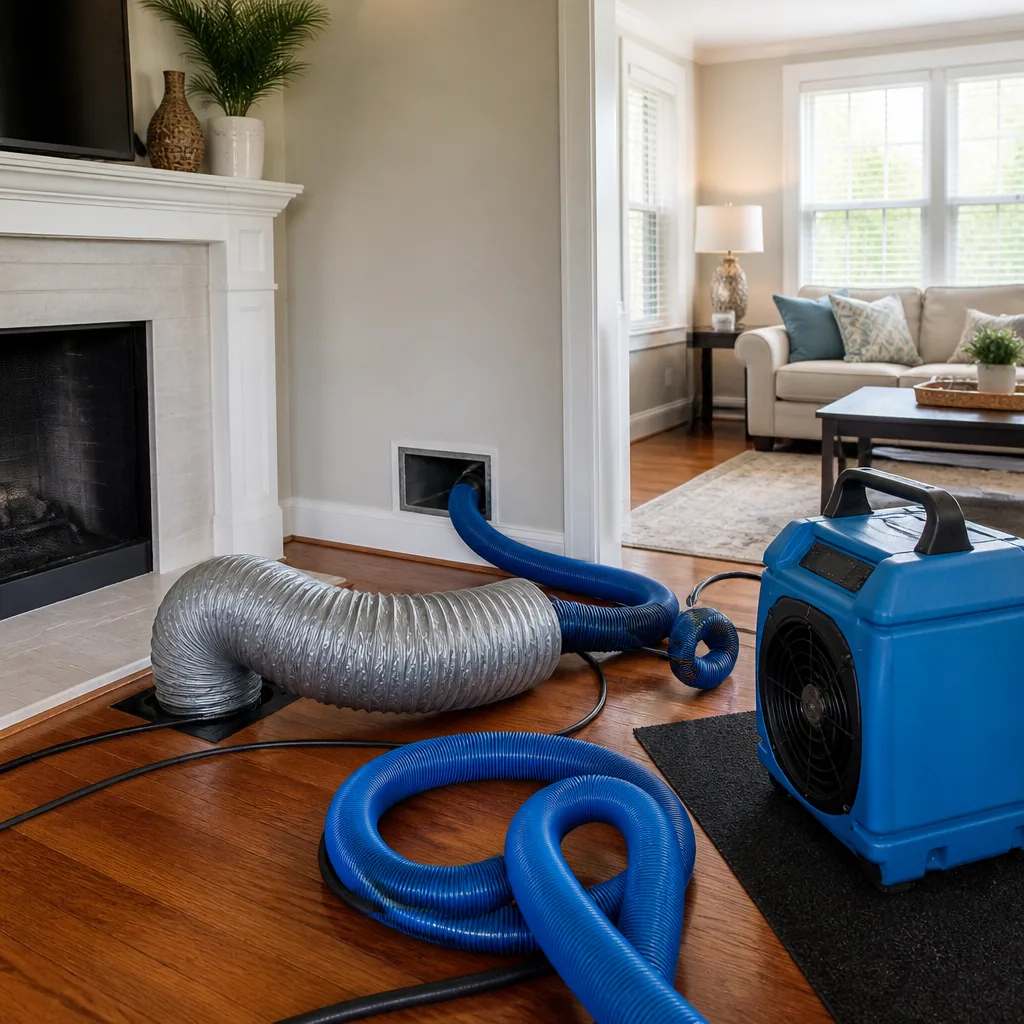 Whole-home duct cleaning
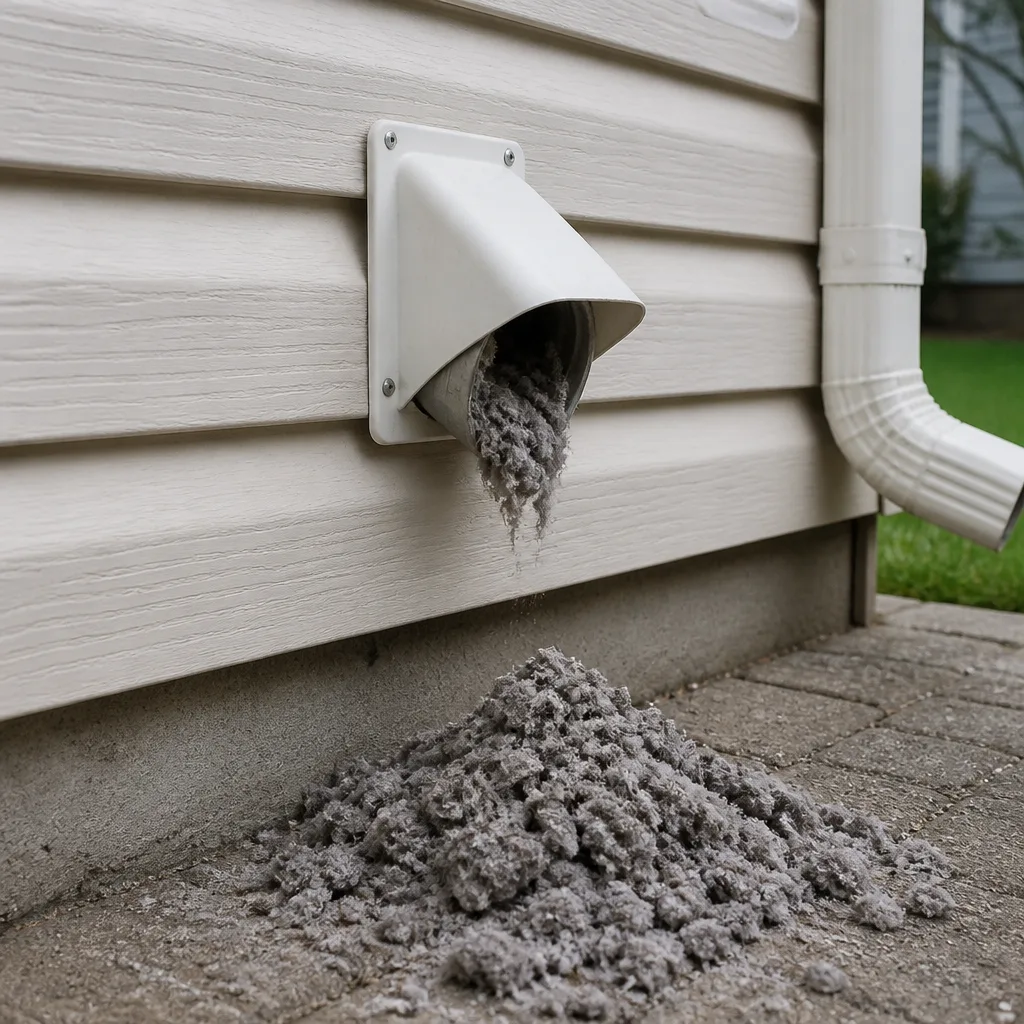 Dryer vent cleaning
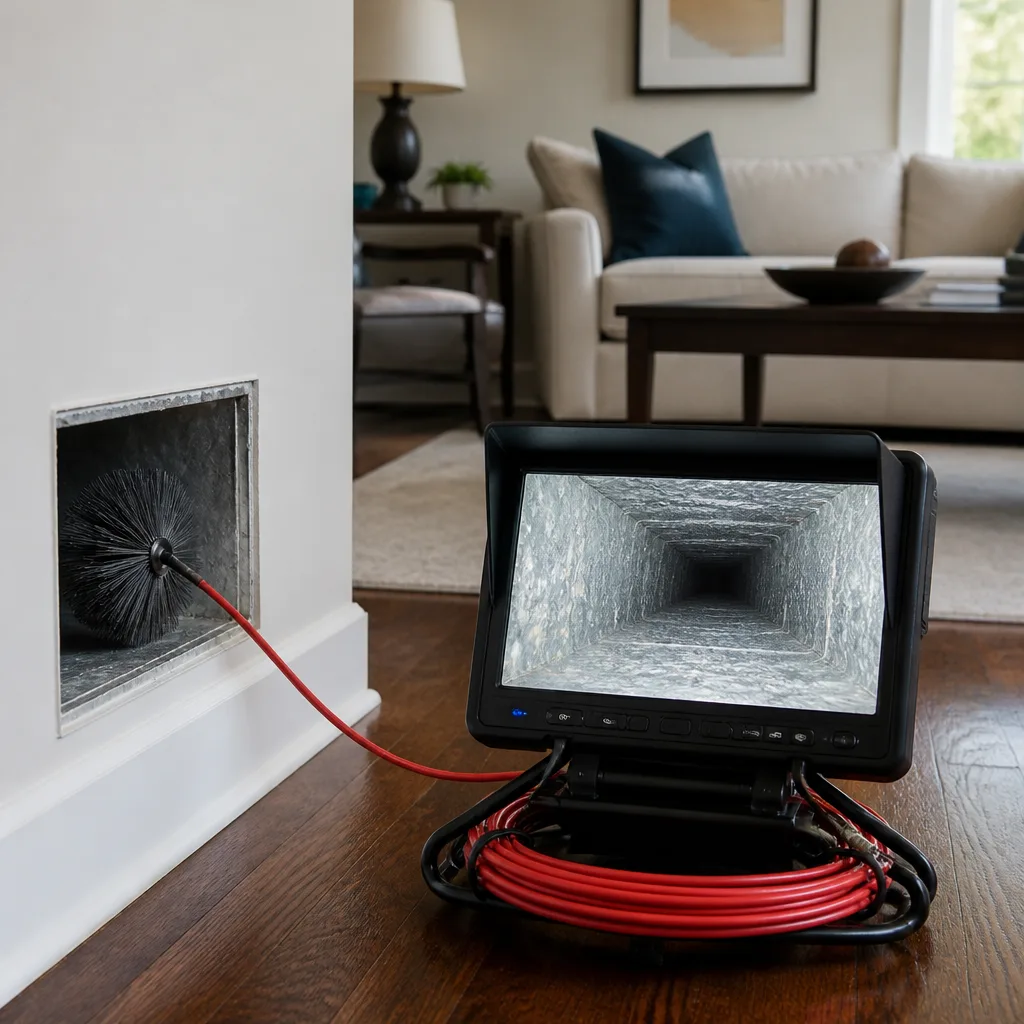 Camera inspection
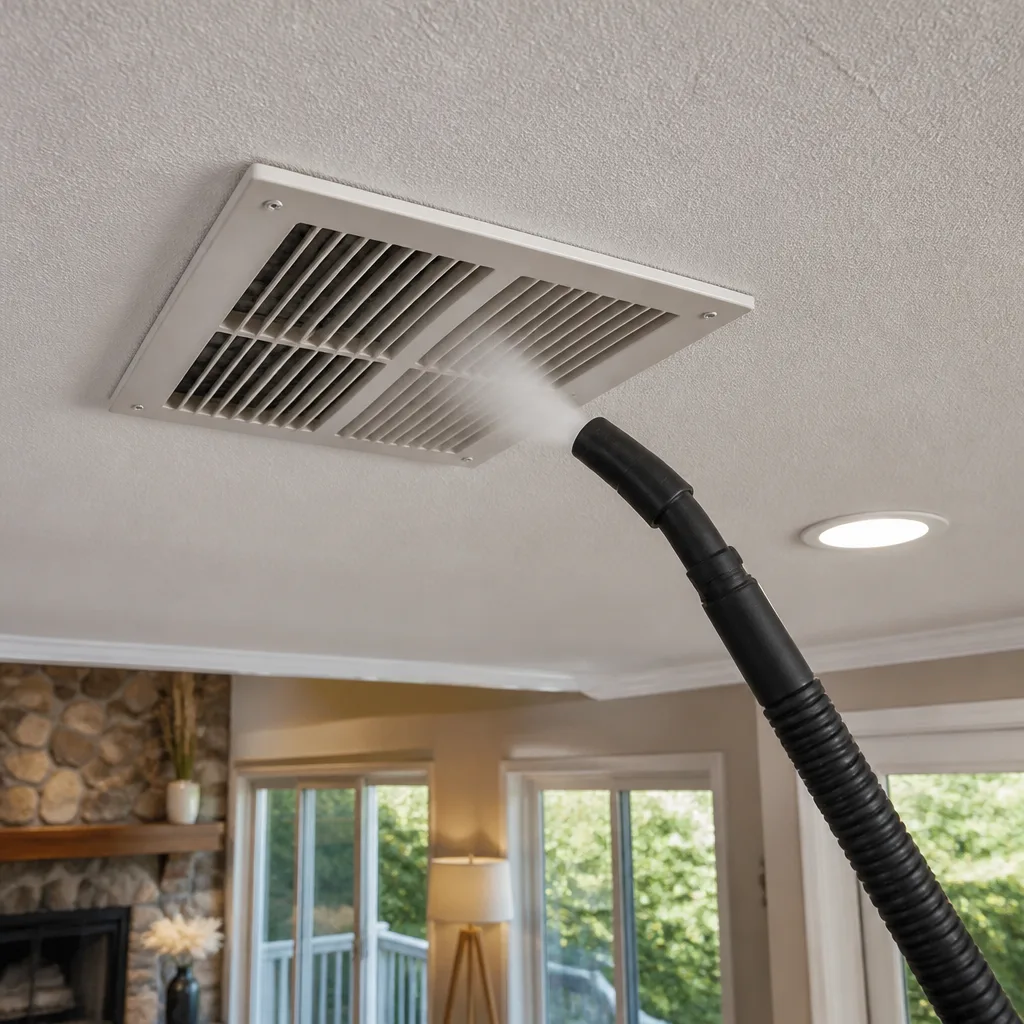 Sanitizing & deodorizing
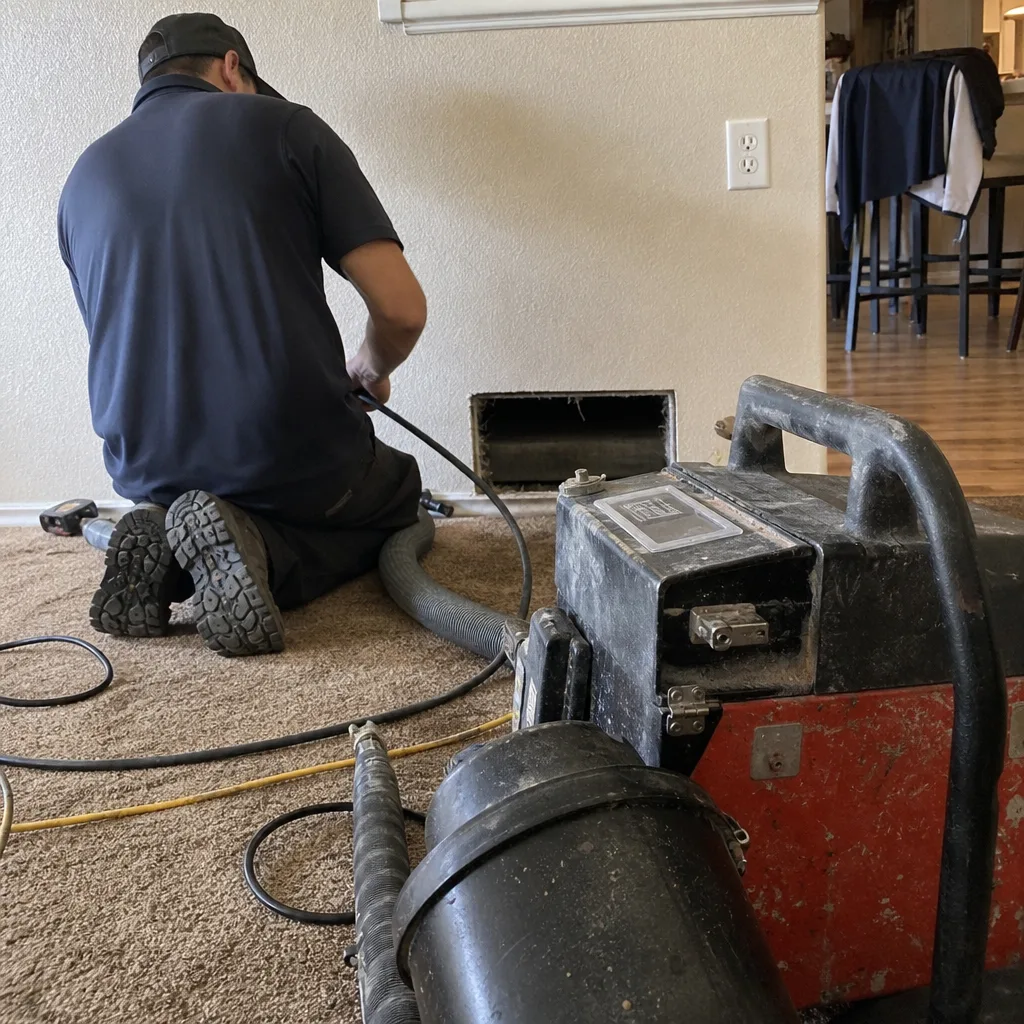
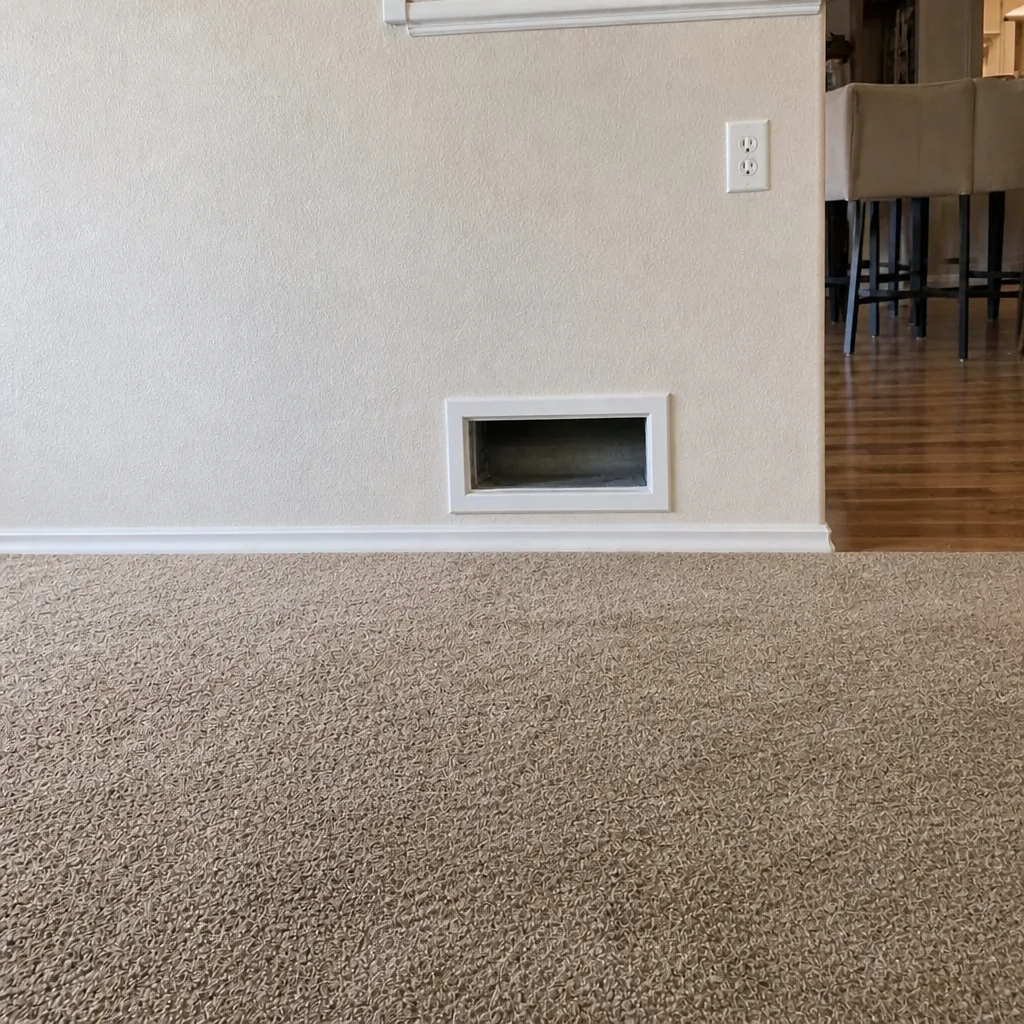
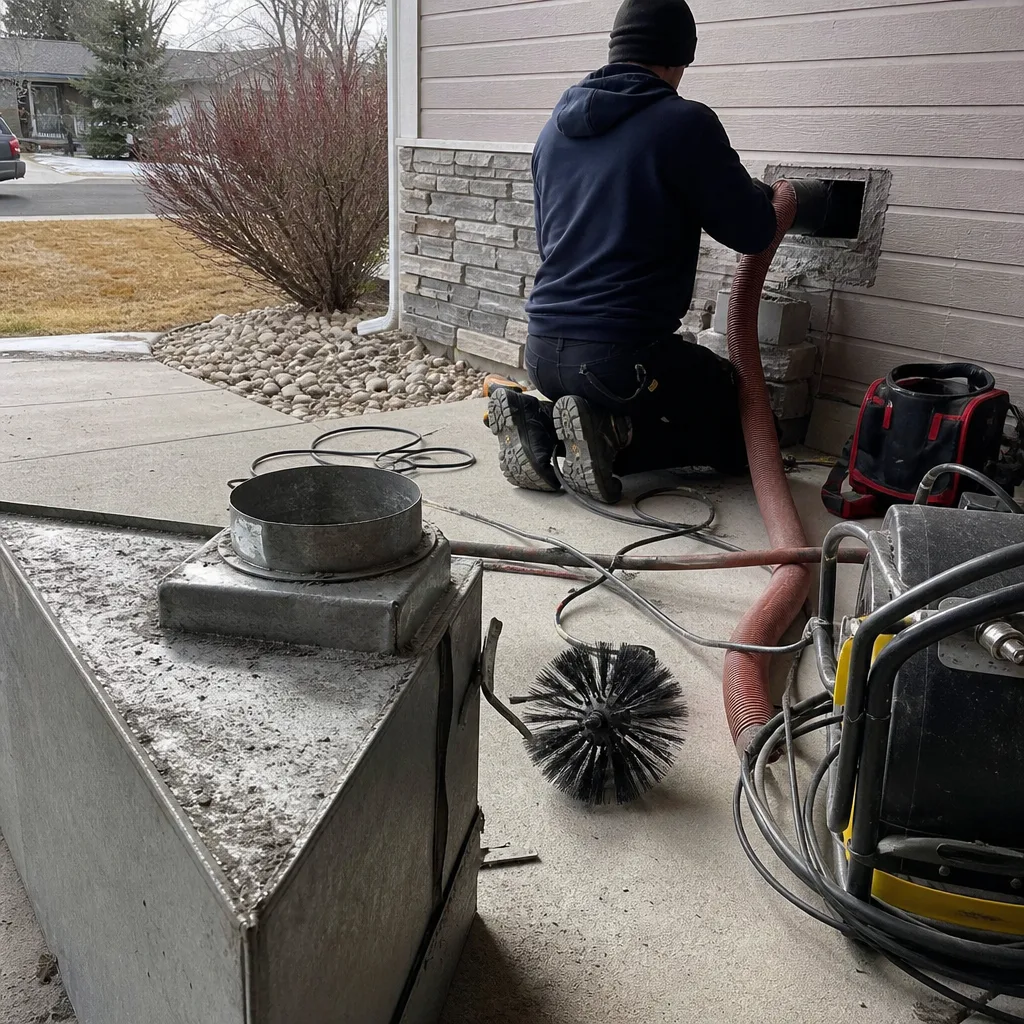
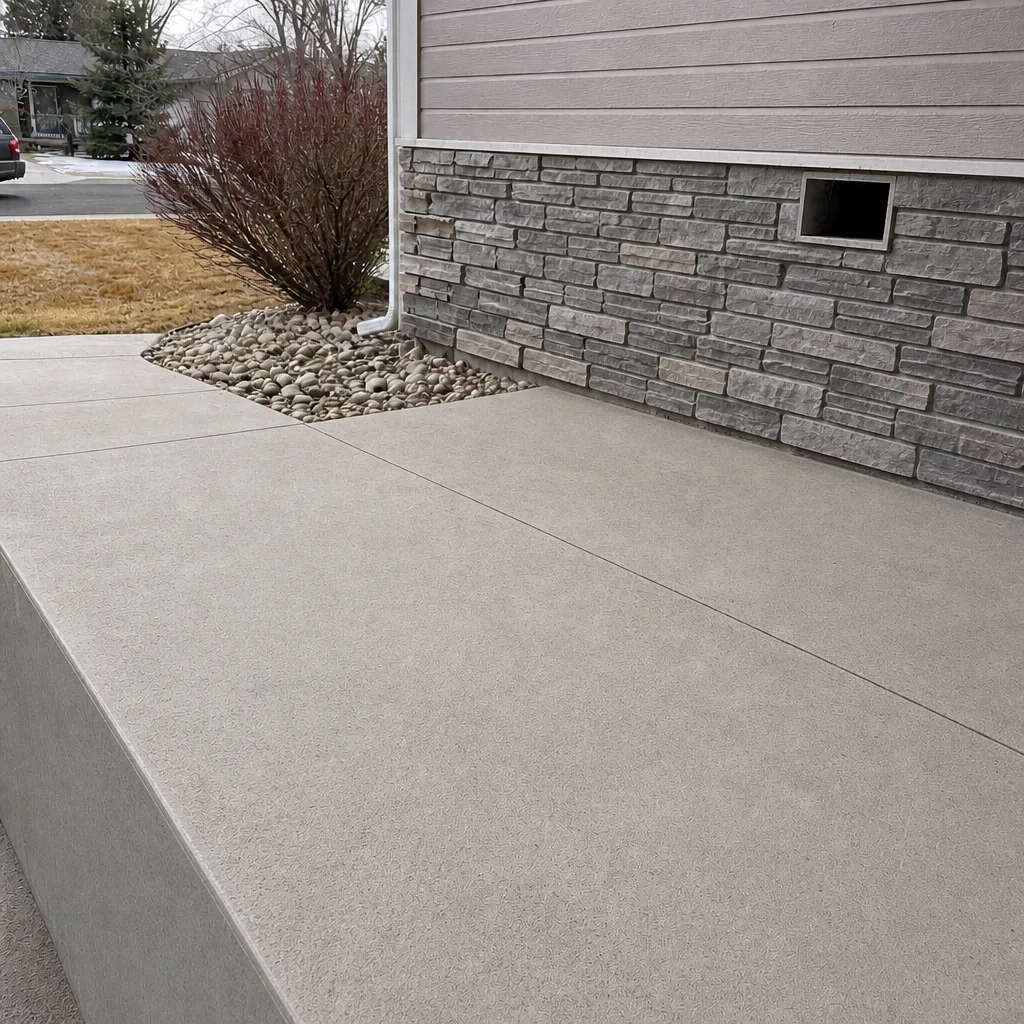
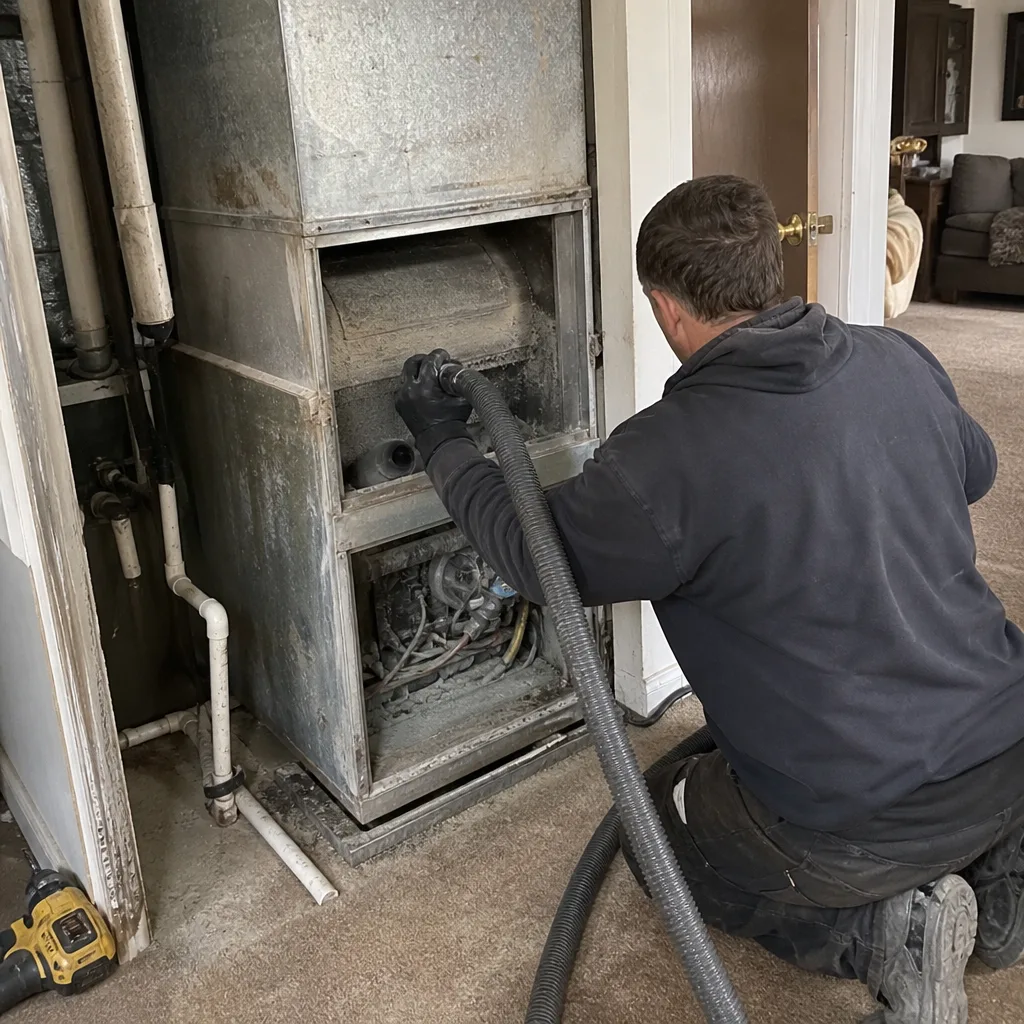
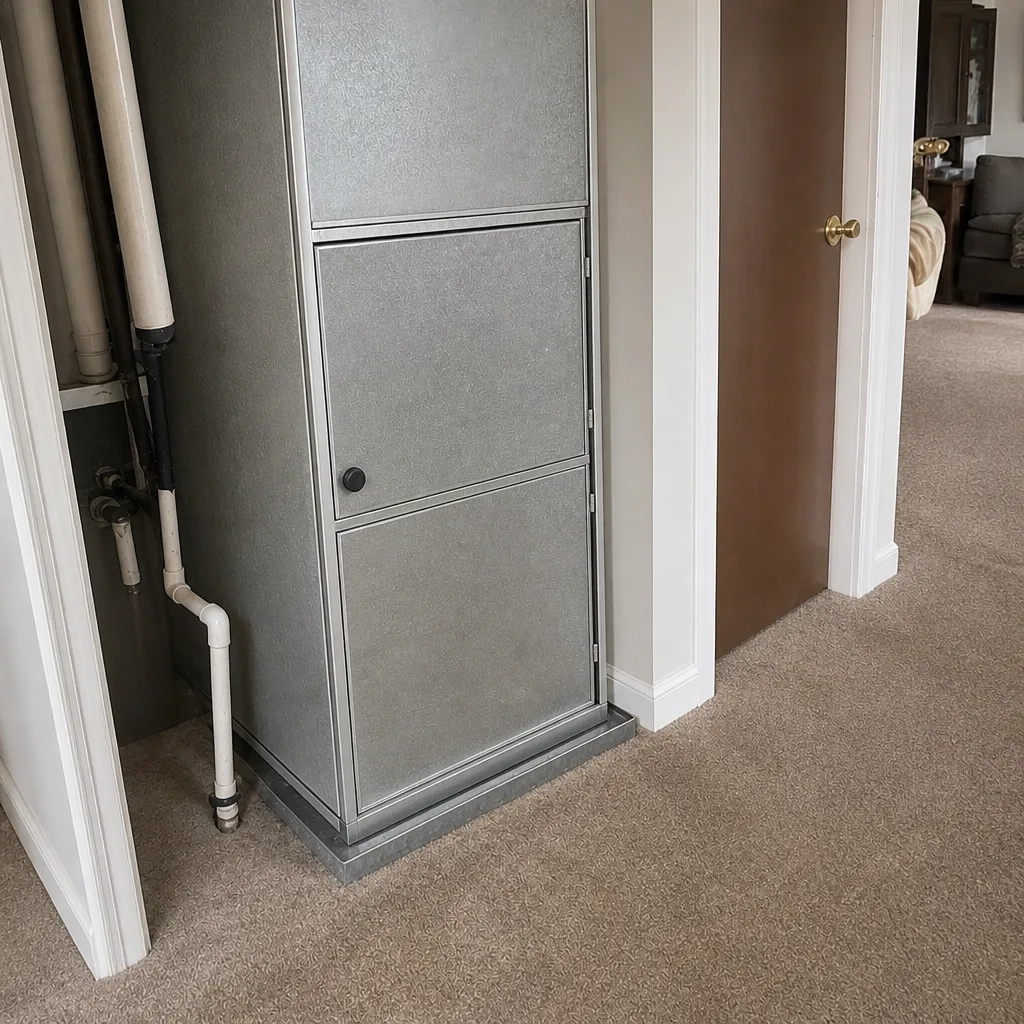
Whole-system duct and dryer vent check with before-and-after photos - you see exactly what came out of your vents
That "$99 whole-house special" is a bait ad - the real number appears once they are in your hallway, or the "clean" is a shop-vac at the register. We photograph the inside of your ducts before and after instead.
How to Hire an Air Duct Cleaning Contractor in Fort Collins: A Step-by-Step Guide
Most homeowners hire a duct cleaner the way they hire a painter: compare a few quotes, pick a friendly voice, pick a fair price. That approach works for painting a fence. It falls apart for ductwork. Of the companies working the Front Range, plenty arrive with portable units that develop less negative pressure than an ordinary shop vacuum, then bill for whole-house remediation while doing little more than stirring dust loose inside the system. The tools decide the result far more than the reviews or the price tag, and most homeowners never learn what equipment questions to ask. This guide gives you a technical vetting framework for Fort Collins homes, so you can spot a cosmetic operation before it’s inside your HVAC system.
Quick Answer
To hire an air duct cleaning contractor in Fort Collins, verify the equipment stack before you compare prices: ask for the extraction unit’s CFM rating, the agitation method, HEPA filtration, and the debris containment protocol. Legitimate pricing is based on access-point count and linear duct footage, not a flat “whole house” rate. Get a written scope, confirm post-cleaning photo documentation, and treat certification as a minimum standard rather than a credential that proves quality on its own.
Styles & brands we work with
- Whole-home duct cleaning
- Dryer vent cleaning
- Camera inspection
- Sanitizing & deodorizing
Table of Contents
- The Four Equipment Questions to Ask Before You Schedule
- Why NACDA Membership Is a Floor, Not a Ceiling
- How to Read a Duct Cleaning Quote
- Red Flags in the In-Home Consultation
- What a Legitimate Post-Cleaning Report Includes
- What Fort Collins Homes Specifically Demand
- How to Vet a Contractor in Six Steps
- Common Mistakes to Avoid
The Four Equipment Questions to Ask Before You Schedule
There are four questions that separate a real duct cleaning operation from a cosmetic one. If a company can’t answer all four with specific answers, that’s your answer. Ask these before anyone sets foot in your home, and ask them in plain language.
1. What’s the CFM rating of your extraction unit?
CFM stands for cubic feet per minute – the volume of air your extraction unit moves. A true duct cleaning system pulls enough negative pressure to lift settled debris from the duct walls and carry it out of the system, not just nudge it around. Commercial extraction units from companies like Nikro are built for this work. A lightweight handheld vacuum or a shop vac cannot generate the airflow pattern required to capture what loosens from a 30-foot trunk run. Ask for the CFM figure directly. If the answer is vague, that’s a flag.
2. What’s your agitation method?
Debris binds to duct walls over time, especially in dry, dusty Front Range climates. Before any extraction unit can remove it, agitation has to break it loose. The three common methods are brush agitation (a rotating brush head run through the duct), air whips (compressed-air nozzles that spin through the duct), and pneumatic tools (fine nozzles that break up caked-on material). A Rotobrush brush-and-vacuum system combines agitation and extraction in one pass, and it’s what we deploy because it handles both steps without working against itself. Any of the three methods can work when paired with real extraction. The problem is a company that does neither, offers “blow-and-go” air-only cleaning, and calls it a full service.
3. Is the filtration HEPA-certified?
HEPA filtration captures particles down to 0.3 microns at 99.97% efficiency. In duct cleaning terms, that means the debris your technician loosens doesn’t get exhaled back into the room. A unit without HEPA filtration is just moving contaminants from one place to another. Ask for the specific filter specification, not just the word “HEPA.” Nikro makes HEPA extraction units for this purpose. It’s a legitimate question and a trained technician answers it without guessing.
4. What’s your containment protocol?
Containment means holding what you’ve loosened in a closed capture system so it leaves through the machine, not through your living space. The gold standard is the equipment used in mold and contaminant remediation – Abatement Technologies units are designed for exactly that. When a duct cleaner uses remediation-grade air management instead of a garbage bag over the register, they’re treating the work with the same seriousness a restoration contractor would. Ask specifically how they contain debris at each access point. It’s a technical question, and a company that does this work well will enjoy answering it.
Why NADCA Membership Is a Floor, Not a Ceiling
NADCA – the National Air Duct Cleaners Association – publishes a widely used standard for assessing and cleaning HVAC systems. Membership means a company has agreed to follow that standard on paper. It’s a useful starting filter, and a contractor with NADCA membership has at least committed to a professional code.
But membership doesn’t certify the outcome. It doesn’t inspect the equipment on the truck, doesn’t spot-check ductwork after a job, and doesn’t verify that the technician who shows up actually uses the tools the office promised on the phone. A company can hold membership and still send a van with a portable unit and one technician. This is why we treat certification as a floor and equipment as the ceiling.
What NADCA membership is genuinely valuable for:
- Confirms the company operates as a business with verifiable contact information and references
- Signals that the company subscribes to an outside standard for how system cleaning is assessed
- Gives you a body to contact if a dispute arises
What it doesn’t confirm:
- The CFM rating or brand of the equipment dispatched to your home
- Whether HEPA filtration is used, or what happens to the exhaust air
- Whether the technician has training in the specific duct materials in your Fort Collins home
- How the company prices a job – flat rate, per access point, or linear footage
The point isn’t to dismiss certification. It’s to recognize what it demonstrates and what it leaves unproven. Once you understand that, you know why the equipment questions matter more than the logo on the website.
How to Read a Duct Cleaning Quote
Legitimate duct cleaning pricing is driven by two factors: how many access points the technician needs to cut, and how many linear feet of duct they’re cleaning. A flat-rate “whole house” package ignores both. Two homes on the same Fort Collins block – a compact ranch and a two-story with a finished basement and a two-zone system – will have very different linear footage and different access requirements. Charging both the same fee means one is overcharged and one is undercleaned.
What a legitimate quote breaks down
A contractor who understands the work will build an estimate around:
- Access point count – how many registers, return grilles, and duct branch points need to be opened, cleaned, and resealed
- Linear duct footage – the actual size of the system, not the size of the house
- System layout – flexible duct, rigid metal, and attic or crawlspace runs each change the job
- Contamination severity – heavy buildup or visible debris means more time and more extraction passes
- Dryer vent – when it’s bundled into the quote, ask what’s included and whether it’s a dedicated service or an add-on
What a flat-rate quote hides
A “$99 whole house” number isn’t real pricing. It’s a doorway. Whether it becomes a $600 invoice or a $99 visit depends on whether the technician on-site upsells you once they’re inside. The clean structure is one flat price per system, agreed in writing before work begins, with no per-vent add-ons once the machine is running. Ask specifically: “Is the price in writing per system, or per vent, and can it change after you start?”
How to compare quotes side by side
- Ask each contractor to list access points and linear footage in the quote.
- Confirm whether the dryer vent is included and which service is which.
- Ask what happens if contamination is worse than expected – is the quoted price firm or a starting point?
- Request the CFM and brand of the equipment to be dispatched.
- Ask whether a post-cleaning photo report is included.
Once you’ve done this with three contractors, the gaps become obvious. You can also read more about our process on the air duct cleaning page.
Red Flags in the In-Home Consultation
Most of the disappointment homeowners describe with duct cleaning happens in the first 20 minutes inside the home. These are the signals that a company is upselling rather than assessing.
Upselling UV lights before finishing the inspection
UV-C lights have a place in indoor air quality work – they help control microbial growth on cooling coils – and we stock Honeywell and Aprilaire IAQ components precisely because they’re worth having when they’re needed. But the word is “when they’re needed.” A technician who pitches a UV light before they’ve finished inspecting the ductwork and coils is selling, not diagnosing. The assessment should come first, and the recommendation should follow from it.
Quoting mold remediation without sampling
Air duct cleaning and mold remediation are not the same job. If a technician tells you your ducts have mold without taking a sample or providing an explanation of what they’re seeing, treat the quote as a sales pitch. Legitimate remediation requires evidence, not a glance inside a dark register with a flashlight. If a contractor’s proposal is remediation-level, ask for the documentation that supports the conclusion before you agree to the scope.
Camera footage that shows “contamination” before inspection is complete
Borescope cameras are legitimate diagnostic tools. But a tech who pulls up a camera image at the door before explaining what they’re looking at, how they positioned the camera, and what the contamination actually is isn’t diagnosing – they’re escalating. Footage should be shown as part of a report, in context, with the duct segment identified.
Pressure to sign “today only”
Duct cleaning is a scheduled job. There’s no reason a scope of work needs to be decided in five minutes. If a contractor won’t leave the written estimate with you overnight, that tells you where their confidence lies.
Trucks without real extraction equipment
If you watch what comes through the door and it’s a shop vacuum with a duct brush attached to the hose, you’ve learned what kind of company you hired. A legitimate duct cleaning setup is heavier and more specialized than that. It’s not a sales problem, it’s an equipment problem – and you can spot it in the first 30 seconds.
What a Legitimate Post-Cleaning Report Includes
The job isn’t done when the machine stops. It’s done when you have a report you can verify. A legitimate post-cleaning report tells you what was cleaned, how, and what it looked like before and after – documentation that stands on its own, not just an invoice.
What good documentation covers
- Before-and-after photos of your own ducts – not stock images from a brochure or a gallery on the website. Individual photo sets from the actual job.
- Access point list – every register, return grille, and cut point, with notes on what was done.
- Agitation method used – brush, air whip, or pneumatic tools, and which equipment.
- Dryer vent status – when the vent was part of the job, whether it was cleaned, inspected, and confirmed clear.
- Any issues flagged – compromised flex duct, disconnected joints, crushed runs, or return leaks that affect airflow
- Repair recommendations – if the technician found ductwork that needs structural repair, it should be documented, not pitched verbally
Why “before and after” matters so much
Duct cleaning is invisible work. You can’t see into your ductwork, so the only way to know what happened is through documentation. Some operators count on that invisibility: they do partial work, skip access points, and rely on the homeowner not asking for evidence. Before-and-after photos of the duct segments themselves are the most reliable defense against that. If a company can’t produce them, that’s a substantive question, not a technicality.
Duct repair as a separate finding
Some duct systems need repair, not just cleaning – crushed flexible runs in the attic, disconnected joints, or leaky plenum connections that quietly cost efficiency. A cleaning company that can’t repair those will clean around them. We offer air duct cleaning as a scope that pairs with standalone repair work, so a documented finding actually becomes a fixable problem instead of a note in a report.
What Fort Collins Homes Specifically Demand
Ductwork in Fort Collins lives through a particular combination of conditions that shapes what a legitimate cleaning job looks like. It’s not the same as cleaning ducts in a humid city or a place with a mild, damp climate.
Dry air and seasonal dust load
Northern Colorado’s climate is dry and swingy – long stretches of low humidity, wind-driven dust in spring, dry furnace season in winter. That combination loads ductwork with fine, powdery debris that a shop vacuum struggles to remove and that settles differently from the sticky debris you’d find in a humid climate. It’s the kind of material that breaks loose well under proper brush agitation and returns to the air under a weak blast of airflow. It’s the reason we treat agitation and extraction as one combined step, not two separate gestures.
The housing stock matters
Fort Collins homes range from older bungalows near Old Town with short runs and tight attic space, to newer builds in areas like Midtown and neighborhoods south of Harmony with longer flex-duct runs and multiple zones. A two-story with a finished basement and a pair of air handlers isn’t the same job as a compact ranch. When a quote doesn’t reflect that difference, it’s not a fair comparison – it’s just one number replacing another.
HVAC system age and dust cake
Duct systems that have run alongside the same equipment for many years build up a dust cake on the interior walls that no air-only cleaning can dislodge. If your Fort Collins home is older, or you’ve never had the ducts cleaned, expect a legitimate contractor to walk the access points and assess severity before quoting. Severity changes price, and honest contractors price the work in front of them, not an adjective in a marketing pitch.
Dryer vent as a real fire risk
Dryer vents get treated as an upsell by companies whose real business is ducts. We treat them as a separate, standalone service because the risk is real – a clogged dryer vent is one of the leading causes of residential fires, and cleaning ducts without addressing the vent leaves a genuine hazard in place. When we quote dryer vent cleaning, it’s a dedicated service with its own scope, not a $20 add-on slipped into a duct invoice.
IAQ components in Fort Collins homes
Homes along the Front Range are increasingly fitted with filtration and ventilation components – Aprilaire and Honeywell are two of the most common names – and duct cleaning is the right moment to check that they’re clean, functioning, and appropriate to the home. We stock and service both brands, which means the duct cleaning appointment is also an IAQ assessment when it needs to be. It isn’t a sales push. It’s just efficient.
How to Vet a Contractor in Six Steps
Here’s the sequence we’d follow if we were hiring a duct cleaner for our own home in Fort Collins. It takes about 30 minutes of phone and email time across two or three companies.
- Ask the four equipment questions first. CFM rating, agitation method, HEPA certification, and containment protocol. Get specific answers, not category words. If a company can’t answer them, don’t take the conversation further.
- Confirm the scope in writing before scheduling. Ask what’s included – access points, returns, dryer vent if applicable – and request the written scope by email before you book.
- Ask how the price is structured. Per system, per access point, per linear foot, or something else. Then confirm that the number in the written estimate is the number you’ll pay.
- Ask for the equipment brand. Legitimate contractors use named systems – Rotobrush, Nikro, Abatement Technologies – because the equipment is the work. If the brand is “our special truck-mounted system” with no name, that’s a signal.
- Confirm the post-cleaning report. Will you get before-and-after photos of your own ducts? In writing, as part of the service, not on request?
- Ask whether repair is in scope. If the technician finds compromised ductwork, can the company fix it, or only clean around it? The answer tells you something about how seriously they treat the whole system.
Our duct cleaning Fort Collins service runs on exactly this framework. The reason we name our equipment brands is that a homeowner should be able to look them up and verify what they’re getting before anyone shows up.
Common Mistakes to Avoid
These are the moves that cost Fort Collins homeowners the most – not always money, but the feeling of having paid for something they can’t verify happened.
- Comparing on price alone. A quote that’s dramatically lower than the others usually reflects less work being done, not a better deal. Ask what’s included in each number before you compare them.
- Skipping the equipment questions because the reviews look good. Reviews describe experience, not equipment. A company can have warm reviews and still send a shop vac to your house. Ask first, read reviews second.
- Accepting a flat “whole house” price without a scope. Two houses the same size don’t have the same duct layout. A flat rate ignores access point count and linear footage, which is what actually drives the job.
- Not asking for before-and-after photos. Duct cleaning is invisible work. Without documentation of your own ducts, you can’t verify the work.
- Letting the technician upsell before finishing the inspection. UV lights, “mold remediation,” and air purifiers pitched before the assessment is complete are a sales motion, not a diagnosis.
- Treating the dryer vent as an afterthought. It’s a fire risk, and it needs to be either part of the service (as a dedicated line item) or its own appointment. Cleaning ducts around a clogged dryer vent leaves the bigger problem in place.
- Assuming a logo means validated quality. Certification is a floor, not a ceiling. Verify the equipment and the report, not just the credential.
See the difference
 Before
 After
 Before
 After
 Before
 After
When to Call a Professional
Not every house needs duct cleaning. A home with a clean system, well-maintained filters, and no debris buildup is a home that doesn’t need to write a check today. But there are specific conditions that call for evaluation by a professional, and in Fort Collins those conditions arise more often than homeowners expect.
Call a professional when you can see visible dust or debris inside the registers, when a renovation has kicked up drywall dust or construction debris, when an HVAC system has been running alongside the same ductwork for years without a cleaning, when someone in the home has chronic respiratory sensitivity and indoor air quality is a real concern, or when your dryer vent hasn’t been cleaned and the dryer is running slow. Also call when the system has observable problems – crushed flex duct, disconnected joints, or unusual airflow differences between rooms.
Duct Cleaning Fort Collins offers free estimates in Fort Collins. Call (844) 834-5984. We answer 24/7. Fast dispatch from 7am to 7pm, Sunday through Friday. Our technicians have up to 12 years of experience, and the written estimate sets the final price per system.
Frequently Asked Questions
There isn’t one honest number. Cost in Fort Collins depends on access-point count, linear duct footage, contamination severity, and whether the dryer vent is included as a separate service. A flat “whole house” price typically hides those variables. What we can tell you: the written estimate sets the final price, agreed before any work starts, on a per-system basis. Call (844) 834-5984 for an exact quote – estimates are free.
Cheaper quotes usually reflect less work being done – fewer access points, weaker equipment, or no real extraction at all. A shop-vac-based service can offer a very low number because the actual work is minimal. The other version of the cheap quote is a teaser price that expands once a technician is inside your home. Ask what’s included, in writing, before you compare prices. Call (844) 834-5984 and we’ll walk you through what’s in the estimate.
Ask for before-and-after photos of your own ducts before you hire, not after. A legitimate contractor produces documentation of the job – access points, agitation method, debris findings, and photographs of the duct segments themselves. If a company can’t produce that, don’t hire them. Call (844) 834-5984 to see what our report looks like.
There’s no fixed calendar for duct cleaning. A well-maintained system with clean filters and no debris issues can go years without a cleaning. Homes with pets, recent renovations, or a history of heavy dust buildup benefit from more frequent service. Recent fires, floods, or pest activity are separate triggers. The right interval is based on the condition of your system, not a marketing schedule. Call (844) 834-5984 for an assessment.
Yes. We offer air duct repair as a standalone service alongside air duct cleaning and dryer vent cleaning, which means we can diagnose and fix crushed, disconnected, or leaky ductwork instead of just cleaning around it. If a technician finds structural issues during a cleaning assessment, those become a documented finding with a real path to fixing them. Call (844) 834-5984 to talk through what you’re seeing in your system.
We use commercial-grade equipment in residential ductwork – not a glorified shop vac. Specifically: Rotobrush brush-and-vacuum systems for agitation and extraction, Nikro HEPA extraction for containment, and Abatement Technologies units for remediation-grade air management. We also stock and service Honeywell and Aprilaire IAQ components, and use Guardsman protective products as part of the service process. We name our tools because we’re proud of them – and because you should be able to look them up. Call (844) 834-5984 with questions about the equipment before scheduling.
The Bottom Line
Hiring a duct cleaning contractor is an equipment audit dressed up as a contractor search. Reviews tell you someone had a nice experience. Price tells you what the company wants you to pay. Equipment and process tell you what’s actually going to happen inside your HVAC system. Ask the four questions – CFM rating, agitation method, HEPA certification, containment protocol – before you compare prices. Confirm the quote is written, per system, and matches the scope. Ask for before-and-after photos of your own ducts as part of the report. Treat certification as a floor. And stay skeptical of anyone who pitches remediation or add-ons before finishing the inspection. Fort Collins homes deal with dry air, seasonal dust, and mixed housing stock that makes every duct system a little different, and the right contractor prices the work in front of them.
If you’d rather talk through your system with a team that names its equipment, we’re here. Call (844) 834-5984 for a free estimate. We answer 24/7. Fast dispatch from 7am to 7pm, Sunday through Friday, in Fort Collins. The written estimate sets the final price, and before-and-after photos of your own ducts are part of the job, not a favor.
Written by the team at Duct Cleaning Fort Collins.