
Last updated November 15, 2026
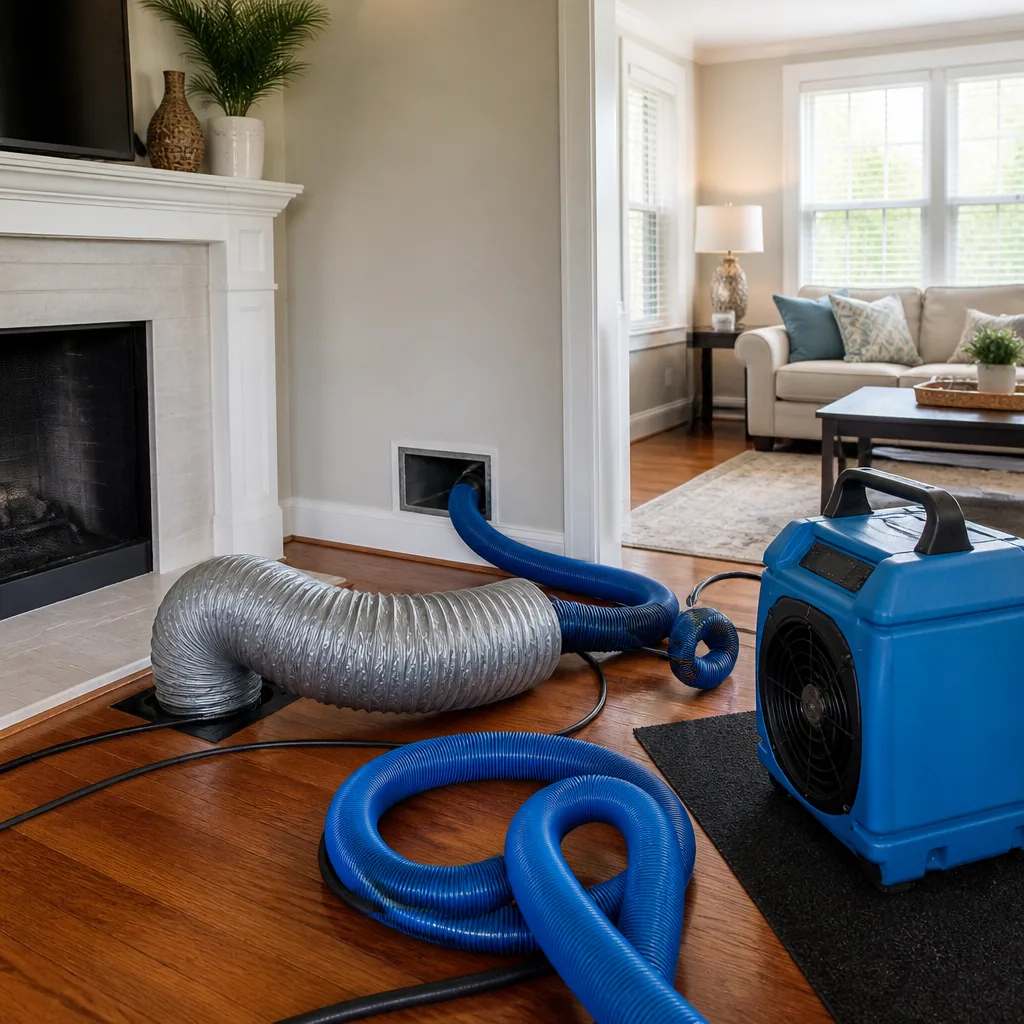 Whole-home duct cleaning
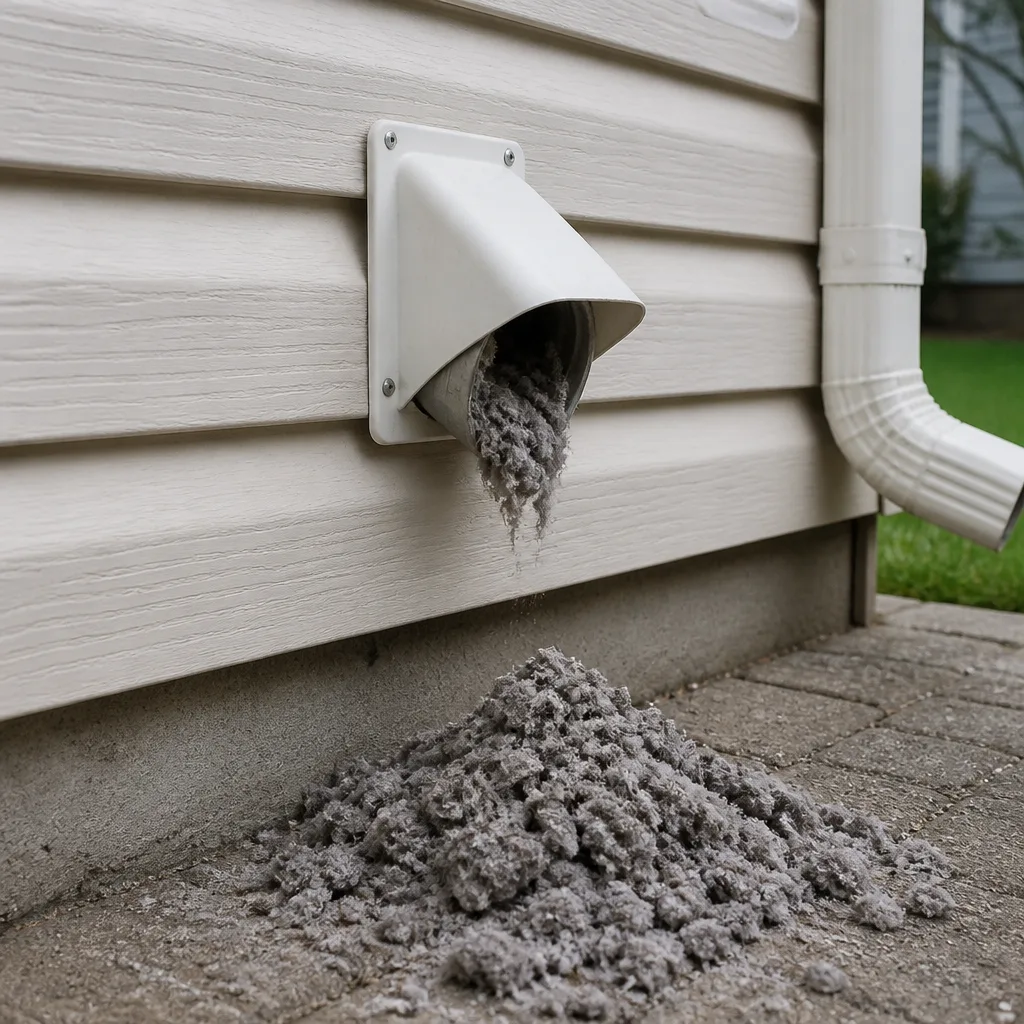 Dryer vent cleaning
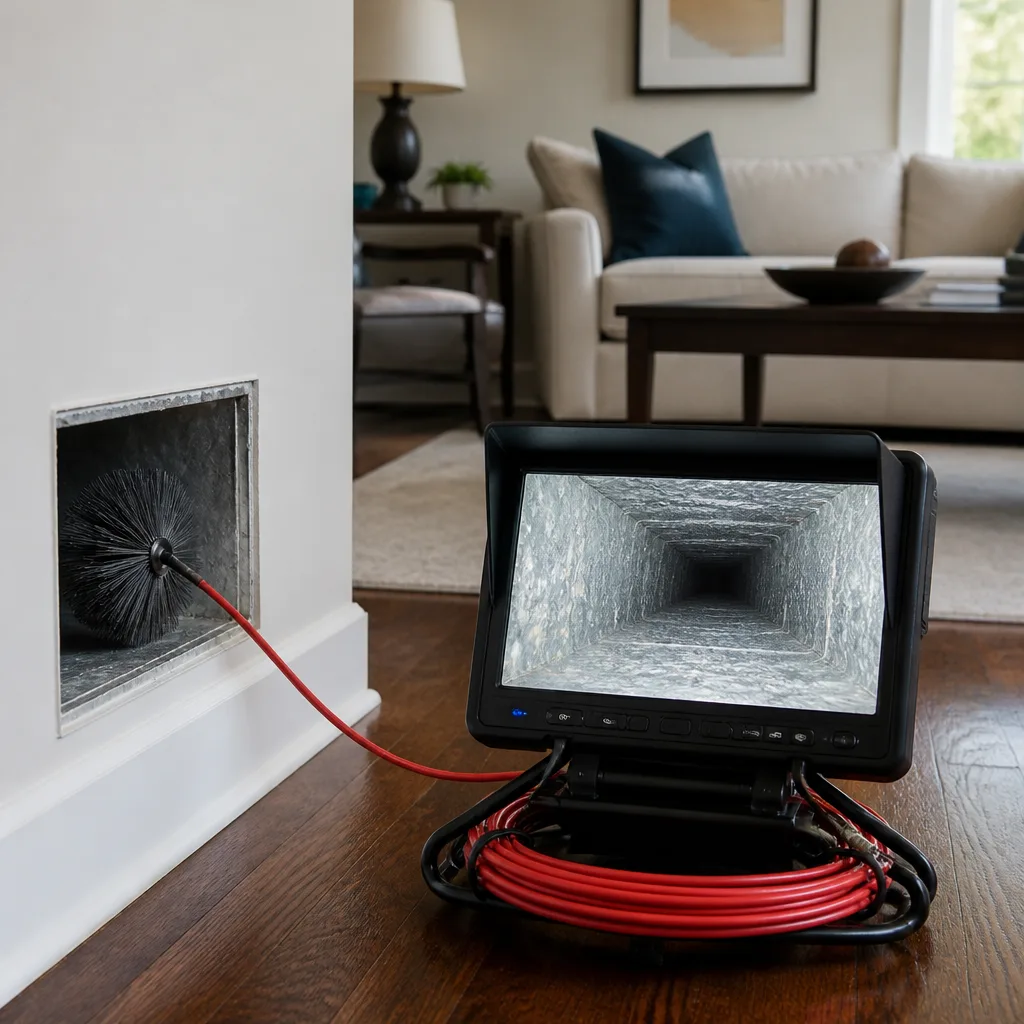 Camera inspection
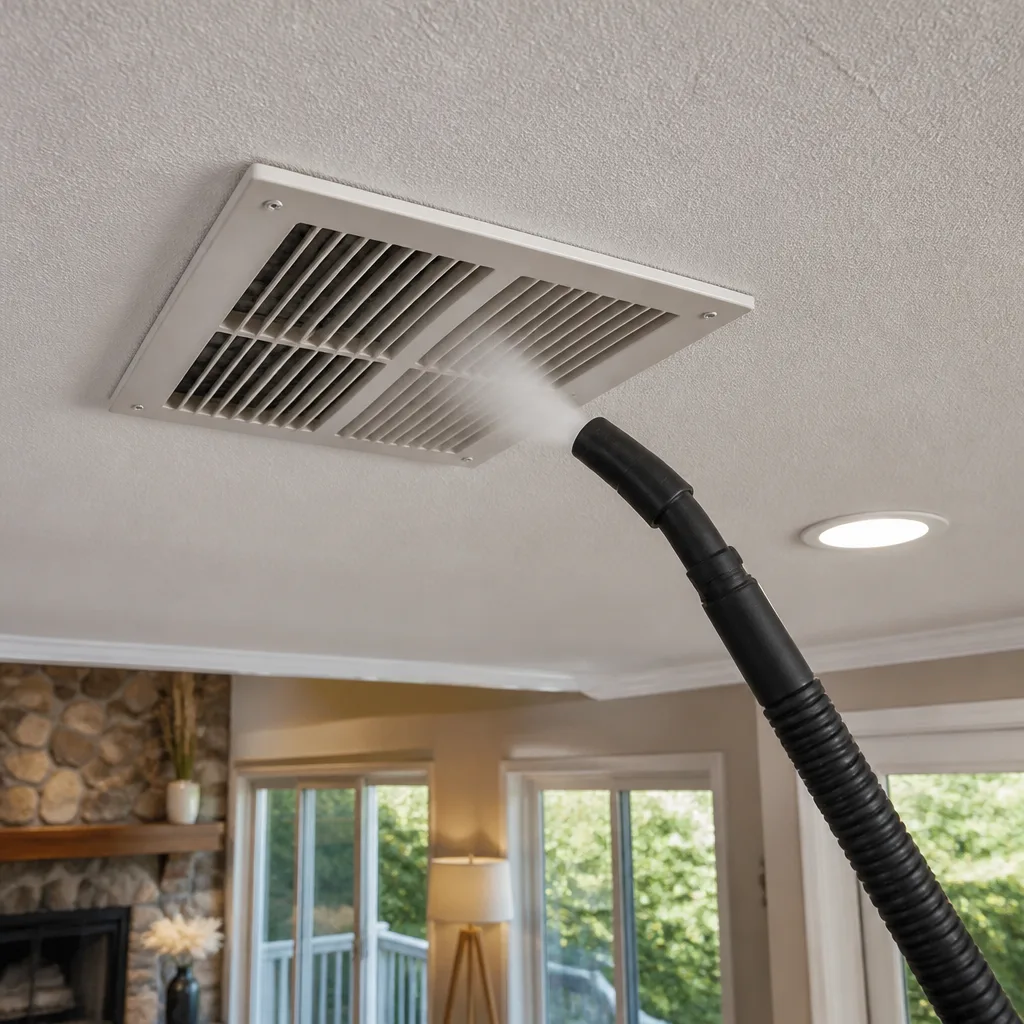 Sanitizing & deodorizing
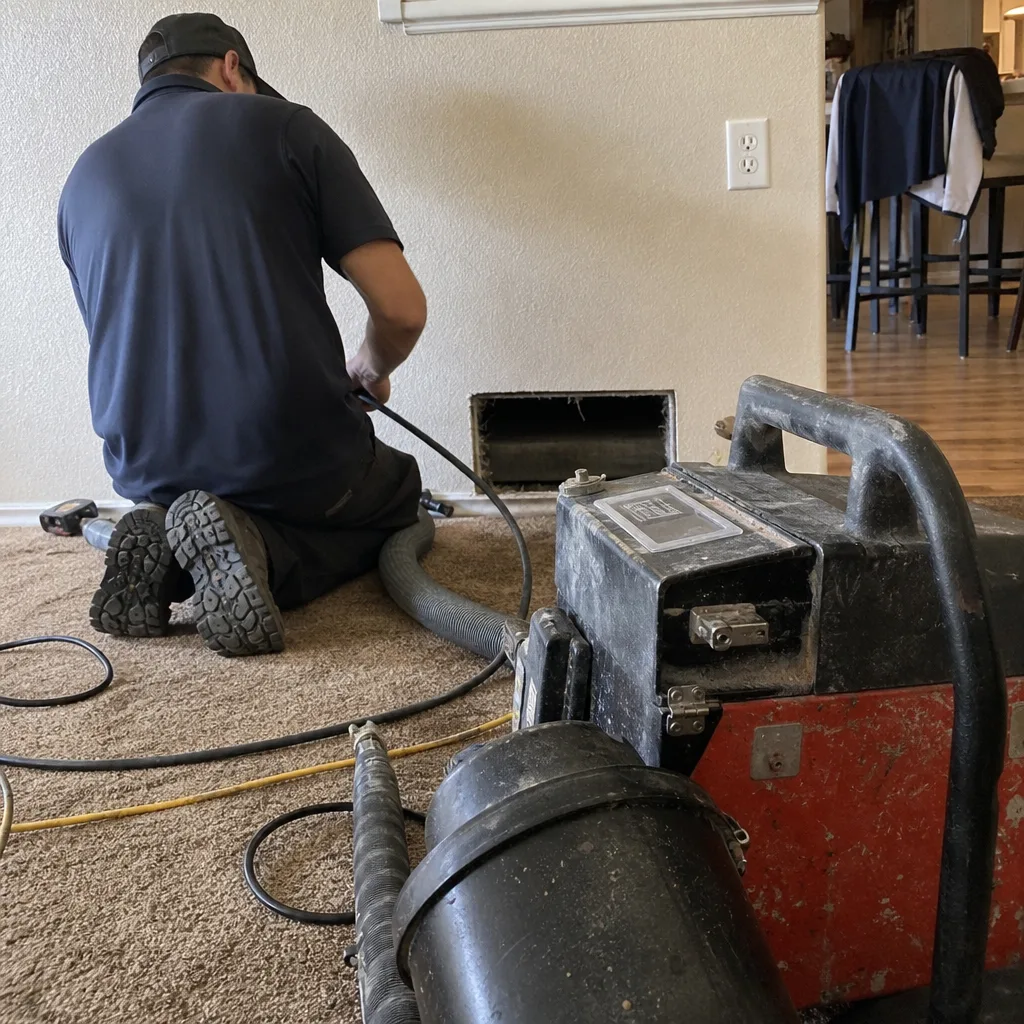
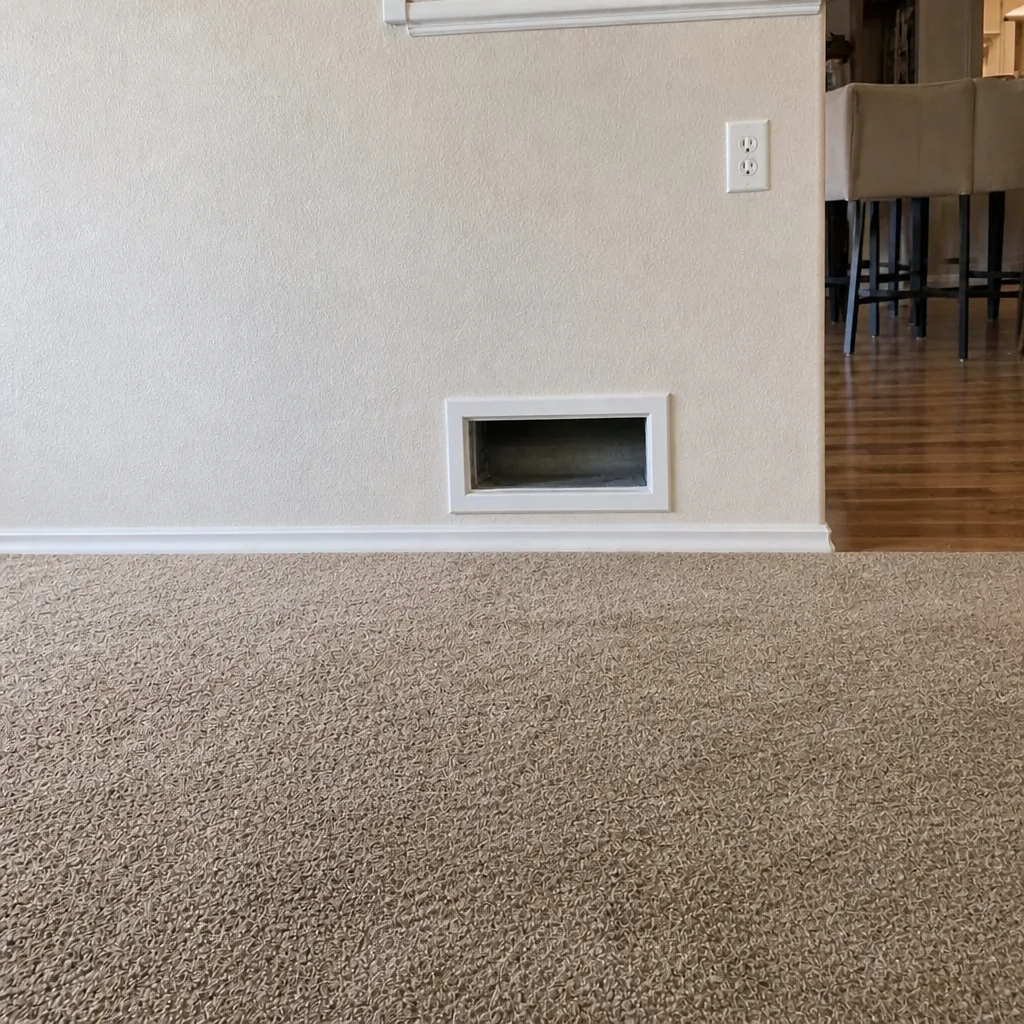
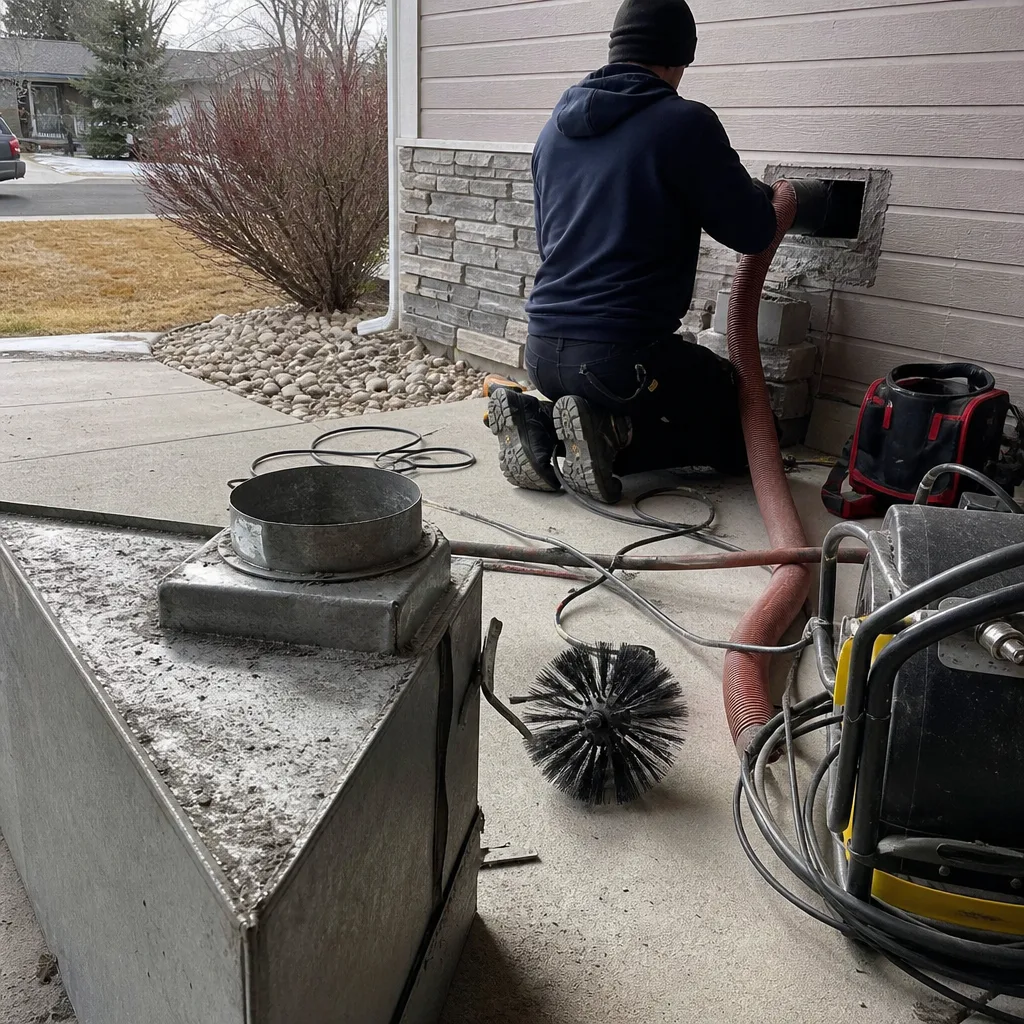
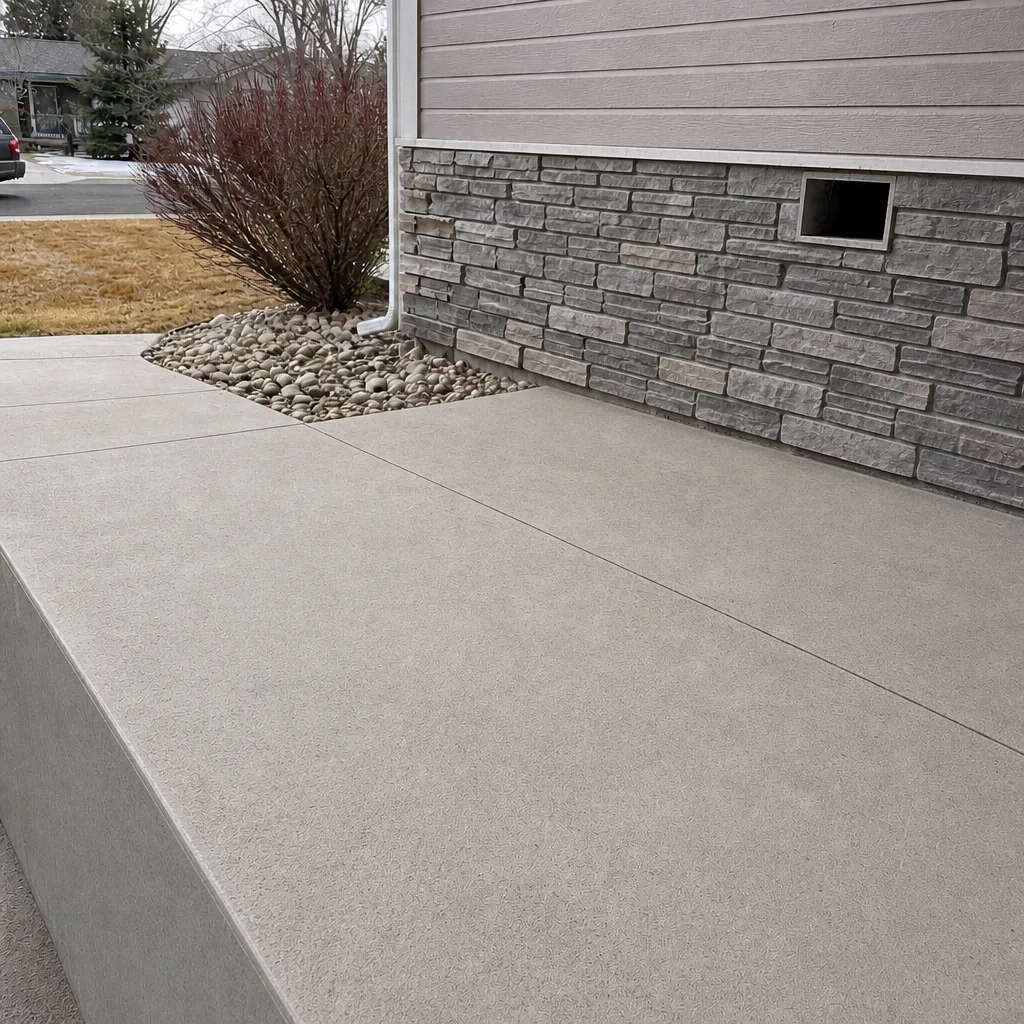
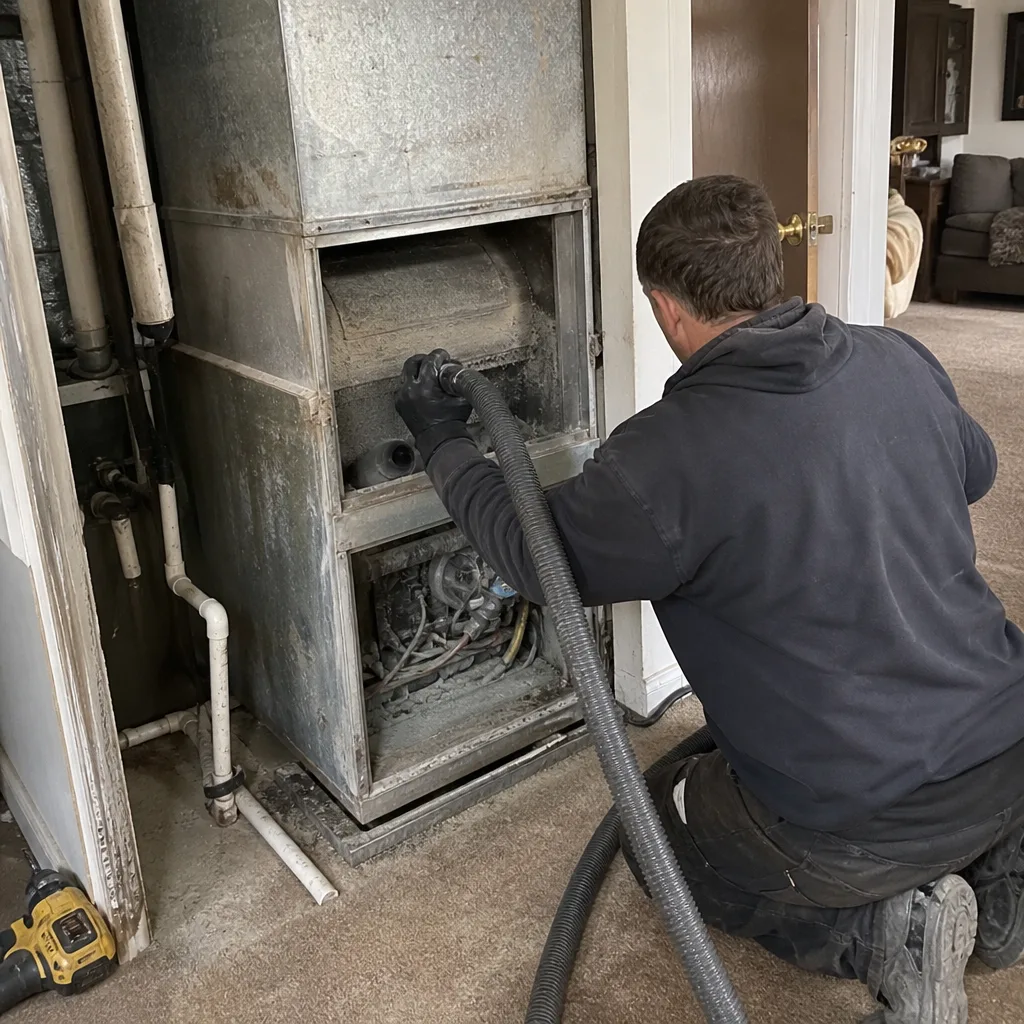
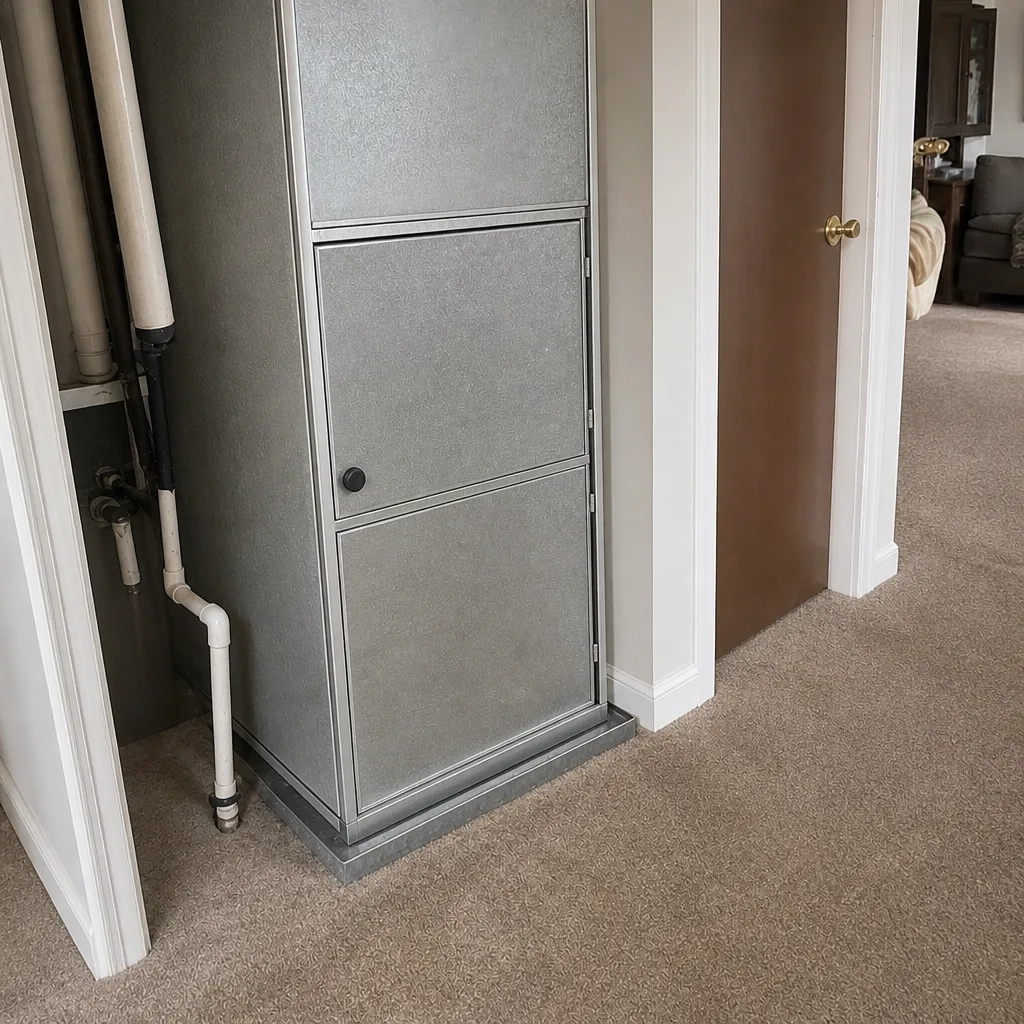
Whole-system duct and dryer vent check with before-and-after photos - you see exactly what came out of your vents
That "$99 whole-house special" is a bait ad - the real number appears once they are in your hallway, or the "clean" is a shop-vac at the register. We photograph the inside of your ducts before and after instead.
Seasonal Air Duct Cleaning Care for Fort Collins: Year-Round Homeowner’s Guide
Most seasonal duct advice treats the calendar as a countdown: clean in spring, forget it in fall. That approach misses how Fort Collins actually works. This city sits where alpine wind patterns meet Larimer County agricultural land and the I-25 traffic corridor, so the air your system pulls in during March is a different mix than the air it pulls in during September. Same house, same ducts, very different load. Treating every season the same is the core error in generic maintenance advice, and it’s why some homes here clog faster than the calendar suggests.
What follows maps each season to the specific contamination risk it creates, and how to turn that into inspection and cleaning decisions rather than guesswork.
Quick Answer
In Fort Collins, duct contamination follows four distinct seasonal patterns rather than one fixed schedule. Spring brings snowmelt humidity and pollen loading, summer brings wildfire smoke infiltration, fall brings harvest particulate plus first-furnace debris, and winter re-airborne dust from dry heating cycles. The right time to clean depends on which of these your home has accumulated, and a professional inspection is what tells you that.
Styles & brands we work with
- Whole-home duct cleaning
- Dryer vent cleaning
- Camera inspection
- Sanitizing & deodorizing
Table of Contents
- Spring in Fort Collins: Snowmelt Humidity and Pollen Loading
- Summer in Fort Collins: Wildfire Smoke and the Filtration Question
- Fall in Fort Collins: Harvest Particulate and First-Furnace Activation
- Winter in Fort Collins: Dry Heat, Re-Airborne Dust, and Your Baseline
- Using Fort Collins Air Quality Data to Time Your Cleaning
- A Step-by-Step Seasonal Inspection Routine
- Common Mistakes to Avoid
- When to Call a Professional
Spring in Fort Collins: Snowmelt Humidity and Pollen Loading
Spring is the season when Fort Collins ductwork gets wet before it gets dirty. As mountain snowpack melts and the city’s humidity climbs through March and April, return plenums and any duct runs through unconditioned space become the coolest, dampest surfaces in the system. That’s exactly where condensation collects, and where mold has its best chance of the year to establish. It’s the one seasonal risk that’s about moisture, not particulate.
Then comes the dry, windy stretch. Cottonwood fluff and agricultural pollen from the farms surrounding Fort Collins load the return side of the system right around the time most homeowners first switch on the air conditioning. That first cooling startup pulls a season’s worth of settled pollen straight into the living space, and the filter changes color faster than it did all winter.
What spring inspection should look at:
- Return plenum surfaces for condensation staining, musty odor, or visible dark spotting where cold air meets warm, humid air.
- Filter condition after the first AC startup, since a filter that loads in two weeks is telling you the return side is carrying more than normal.
- Coil and drain pan area, where spring moisture plus dust makes a food source for microbial growth.
- Duct joints in unconditioned space, where humid air leaks in and condenses against cold metal.
If you find evidence of moisture colonization, cleaning alone isn’t the whole answer. It needs containment-grade handling so spores aren’t spread through the house during the process. We use air duct cleaning equipment built for that standard, including Abatement Technologies containment units, because mold remediation and a surface wipe-down are two different jobs.
Summer in Fort Collins: Wildfire Smoke and the Filtration Question
Smoke is not dust, and treating it like dust wastes money. Wildfire smoke in the Fort Collins air is made of fine and ultrafine particles, and those particles behave differently inside a duct system: they don’t settle on duct walls the way pollen and household dust do. They ride the airstream, coat surfaces in a thin film, and pass through the filter into the room. This is the single most important distinction in summer duct care. Cleaning ducts removes what’s settled; it does not filter the air. Those are separate functions.
So the honest answer to “should I clean my ducts because of smoke?” is: usually not yet. The correct first response to a smoke event is filtration and, where possible, reduced outdoor air intake. A MERV-13 filter in a system rated for it is the workhorse. Many homes in Fort Collins can run one; some older systems can’t handle the pressure drop, so a filter upgrade gets checked against the equipment, not assumed.
When smoke has been heavy enough that you notice odor or visible residue at the registers, cleaning becomes worth considering, but the timing matters. Clean after the smoke season, not in the middle of it. Cleaning during an active smoke event just gives new surfaces a fresh coat.
What to do during a smoke event, in order:
- Close windows and doors and set the system to recirculate if your thermostat supports it.
- Confirm your filter is clean and correctly sized before the smoke arrives, not after.
- Check that the filter is rated to your system’s capability; a MERV-13 that starves airflow is worse than a MERV-8 that fits.
- Note the dates and duration of smoke events; that record tells you whether fall cleaning is warranted.
We stock and service dryer vent cleaning-adjacent IAQ components from Honeywell and Aprilaire, which matters here because a whole-home filtration or humidity control setup is what bridges the gap between “smoke season” and “clean air inside.”
Fall in Fort Collins: Harvest Particulate and First-Furnace Activation
If there’s one window that deserves the most attention, it’s fall. Two loads stack on top of each other here, and Fort Collins gets both at once. First, harvest: the farms around the city put fine agricultural particulate into the air through September and October, and it gets pulled into the return side more than at any other time of year. Second, the first cold snap flips the system from cooling to heating, and that first furnace cycle burns off months of settled summer debris from the heat exchanger and duct surfaces. That smell on the first cold morning is real, and it’s a signal that the system is redistributing everything it accumulated all summer.
Fall is also the last realistic window before the heating system runs every day for months. Once winter locks in, cleaning becomes a job done around a running system instead of before it. For most Fort Collins homes, scheduling inspection in September or early October means you can clean, verify, and start the heating season with a clean baseline.
Why fall is the highest-risk dual-load window:
- Harvest particulate is fine and dry, and it settles deep in the return before it can be filtered.
- First-furnace burn-off lifts that settled material back into the airstream as the system heats up.
- September winds push the particulate into the envelope, where the system pulls it in.
- Filter loading spikes, and a filter near capacity stops being a filter and becomes a restriction.
Fall is when we see the clearest argument for a Fort Collins-specific schedule instead of a generic spring clean. The calendar most websites recommend is off by about six months for this city.
Winter in Fort Collins: Dry Heat, Re-Airborne Dust, and Your Baseline
Winter creates the odd situation where the cleanest-looking house is the dustiest. Forced-air heating cycles run often and long, and the air they distribute is dry. Dry dust is lighter dust. It doesn’t stay settled on a surface, it lifts on every cycle and circulates through the rooms. So a home that looked clean in November can feel dusty by January without anyone having tracked anything in.
That’s why winter is the best time to do something most homeowners never do: establish a baseline. A cleaning done in winter, verified with before-and-after photos of your own ducts, gives you a known starting point. Then when spring arrives, you can compare what your filter is loading against a clean system instead of against a guess. That baseline is the single most useful piece of maintenance data a Fort Collins homeowner can hold onto, because it lets you answer next year’s “do I need this?” question honestly.
Winter practices worth building in:
- Run the fan on low between heating cycles to keep air moving without adding heat; it reduces the dust lift.
- Change filters on a schedule tied to your baseline, not to the number of months printed on the package.
- Check register grilles for the thin gray film that tells you the system is moving dust, not just air.
- Log what you see, so next fall’s decision has evidence behind it.
For homes with a whole-home humidifier, winter is when Honeywell and Aprilaire components get serviced and checked. Dry forced air without humidity control makes the re-airborne dust problem worse, and a properly serviced unit is the correct fix.
Using Fort Collins Air Quality Data to Time Your Cleaning
Fort Collins publishes air quality data through CDPHE monitoring stations, and that data is useful to a homeowner for one specific purpose: it functions as a rough proxy for how fast your ducts are loading. It’s not a measurement of indoor air, and it doesn’t tell you whether your ducts are dirty. But it does tell you how much material the outdoor air is handing your system, and that’s a real input.
The logic is simple: the more days your outdoor air is carrying elevated particulate, the faster the return side accumulates it. Homes on the west side, closer to the foothills and more exposed to wind off the mountains, see this faster than homes in more sheltered parts of town. Homes near the I-25 corridor have a steady background load from road particulate all year.
A practical way to use AQI data:
- Note the number of days in the last twelve months your area’s monitoring station reported conditions above the moderate range.
- Compare that number to the previous year. A high year after a high year is a strong argument for inspection.
- Tie the number to your own observations: filter color, dust at registers, musty odor after rain.
- If both the AQI record and your in-home observations point the same direction, schedule an inspection.
- If only the AQI record is elevated, hold off and use filtration instead.
That kind of tie-break is the difference between maintaining your system and guessing at it. We’d rather give a homeowner the honest answer, which is sometimes “not yet.”
A Step-by-Step Seasonal Inspection Routine
This routine is designed to be done four times a year, at each seasonal transition. It’s a checklist for spotting problems, not a set of instructions for opening or servicing the system. Anything beyond looking and listening is work for a trained technician.
- Change the filter and note how loaded it was. A filter that loads twice as fast as usual means the return side is carrying more than normal.
- Look at the register grilles. Thin gray film, visible fluff, or dark spotting are all signals worth recording.
- Smell the air at the first run of the season. A musty smell after humid weather suggests moisture in the system; a hot smell on the first furnace run is normal burn-off, but a persistent one is not.
- Listen at the return plenum. Rattles, whistles, or a change in pitch can indicate a loose joint or a disconnected run.
- Check the return plenum for staining, especially after spring humidity, where condensation shows up.
- Note the outdoor conditions. A smoky summer or a big harvest season is useful context for the next inspection.
- Write it down. The log is what makes the fourth inspection more useful than the first.
If any step turns up evidence of mold, a disconnected duct, or persistent odor, stop there. Those are conditions for a professional. Air Duct Repair is a separate service from cleaning, and it’s the one that handles ductwork that’s actually compromised rather than just dirty.
Common Mistakes to Avoid
- Cleaning every spring because a website says so. Fort Collins loading is heaviest in fall, not spring. A fixed calendar ignores the actual climate and sends money at the wrong window.
- Treating smoke season as a cleaning trigger. Fine smoke particles don’t settle the way dust does. Filtering the air is the correct first response; cleaning ducts during a smoke event just coats new surfaces.
- Skipping the filter check before smoke season. A clean MERV-13 that fits your system is worth more during a smoke event than a cleaning booked after it. Filter first, always.
- Ignoring the return plenum after humid weather. Spring moisture is the one risk that doesn’t show up as visible dust. By the time there’s an odor, the growth has usually been there a while.
- Letting a first-furnace burn-off smell go unchallenged. A brief hot smell on the first heating cycle is normal; a smell that persists or returns each cycle is not.
- Hiring on price alone and getting no documentation. A cheap whole-house special with no before-and-after photos gives you nothing to verify and nothing to compare against next year.
- Not logging anything. Without last year’s notes, every decision becomes a guess, and guesswork is what seasonal maintenance advice is supposed to replace.
When to Call a Professional
Some signs are clear enough to act on without waiting for a season. Persistent musty odor after humid weather points to moisture colonization and should be inspected rather than cleaned around. Visible dark spotting on return plenum surfaces, a duct joint that rattles or looks disconnected, or a room that never gets the airflow the others do all call for a technician. A filter that loads in under two weeks is another strong signal, since that usually means the return side is carrying material the system can’t filter. The same goes for a first-furnace smell that doesn’t fade, and for anyone who’s moved into a Fort Collins home and doesn’t know when the system was last cleaned. Duct Cleaning Fort Collins offers free estimates in Fort Collins, and we can talk through what you’re seeing. Call (844) 834-5984. We answer 24/7. Fast dispatch from 7am to 7pm, Sunday through Friday.
See the difference
 Before
 After
 Before
 After
 Before
 After
Frequently Asked Questions
For most homes here, every two to three years is a reasonable starting point, but the seasons determine the timing more than the interval. Fort Collins’ heaviest loading window is fall, when harvest particulate and first-furnace activation combine, so a late-September or early-October cleaning usually gives the best value. Homes near busy corridors or on the wind-exposed west side may need it more often. Call (844) 834-5984 for an exact quote; estimates are free.
Usually not immediately, and often not at all. Wildfire smoke particles are fine and ultrafine, so they travel with the airstream and coat surfaces in a thin film rather than settling like dust. The correct first response to smoke is filtration, ideally a MERV-13 filter in a system rated for it, plus closing windows and recirculating. If smoke has been heavy enough that you notice odor or visible residue, cleaning after the smoke season ends is worth a conversation.
Cheap quotes usually reflect what equipment shows up at your door. A shop-vac and a price is not the same job as commercial-grade agitation and HEPA extraction, and it doesn’t contain what it loosens. We name our tools because homeowners can research them: Rotobrush for agitation, Nikro HEPA units for extraction, Abatement Technologies for containment. Those units cost more and they do more. Call (844) 834-5984 for an exact quote; estimates are free.
Ask for before-and-after photos of your own ducts, and don’t settle for stock images or a photo of a different house. On a properly scoped job, the technician should be able to show the condition of the runs before they start and after they finish. That’s the only record you can compare against next season’s baseline. Call (844) 834-5984 for an exact quote; estimates are free.
Indirectly, yes. CDPHE monitoring station data works as a rough proxy for how fast outdoor particulate is loading your system, not as a measure of your ducts. Compare the last twelve months of elevated days to the year before, then weigh that against what you see in the house: filter loading, dust at registers, odor. When both point the same direction, schedule an inspection.
Cleaning removes accumulated material from ductwork that’s structurally sound. Repair fixes ductwork that isn’t: disconnected joints, crushed runs, collapsed sections, or compromised returns. It’s usually the repair that restores lost airflow, not the cleaning. If a room in your Fort Collins home never keeps up with the thermostat, repair is the service that addresses it. Call (844) 834-5984 for an exact quote; estimates are free.
The Bottom Line
Fort Collins ductwork filters a different atmosphere in March than it does in September, and a year-round maintenance plan only works if it responds to those differences. The key takeaways: spring is a moisture risk, summer is a filtration problem before it’s a cleaning problem, fall is the heaviest loading window of the year, and winter is when a clean baseline pays forward into everything after it. Air quality data can help you decide which of those windows matters most for your specific home. When the signals line up, an inspection with commercial-grade equipment and photos you can keep is what turns maintenance into a decision instead of a guess. Start with a duct cleaning Fort Collins assessment and work backward from there.
Call (844) 834-5984 for a free estimate. We answer 24/7. Fast dispatch from 7am to 7pm, Sunday through Friday.
Written by the team at Duct Cleaning Fort Collins.