
Last updated November 15, 2026
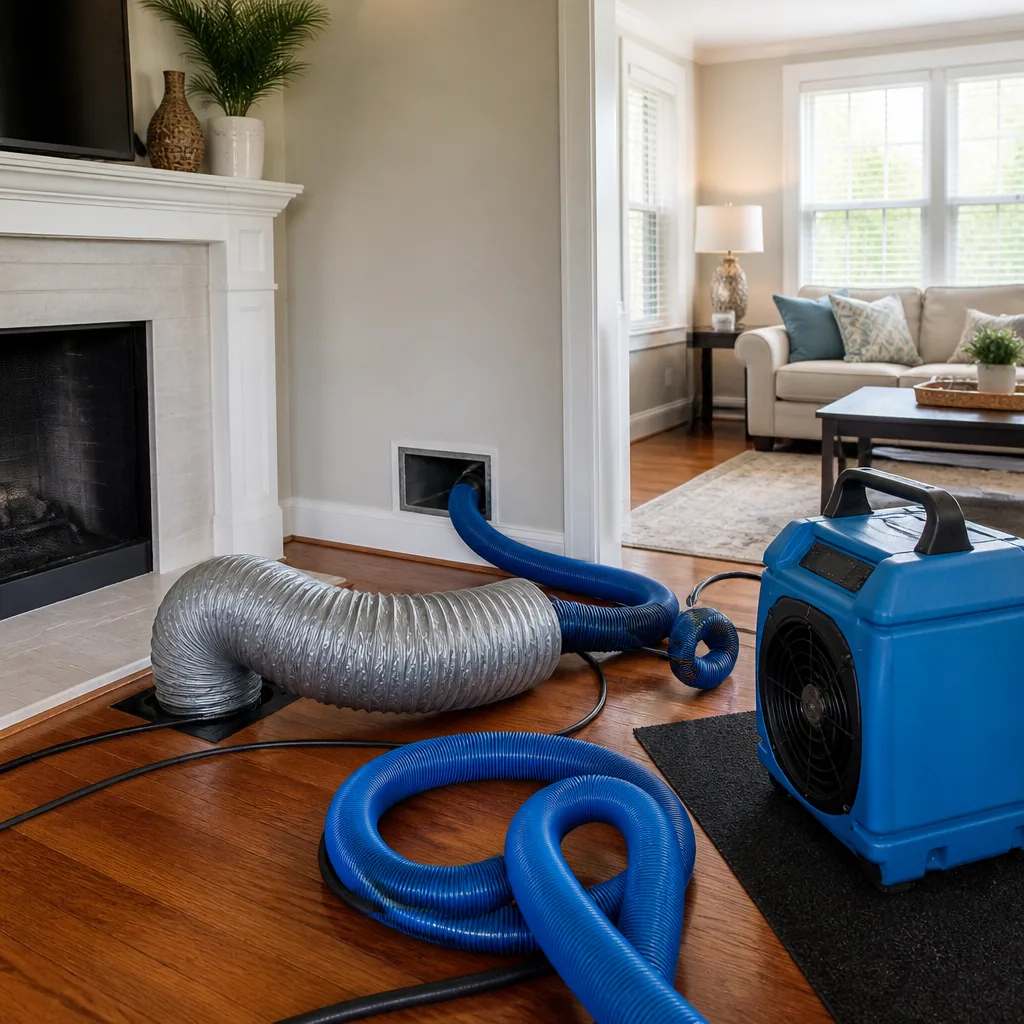 Whole-home duct cleaning
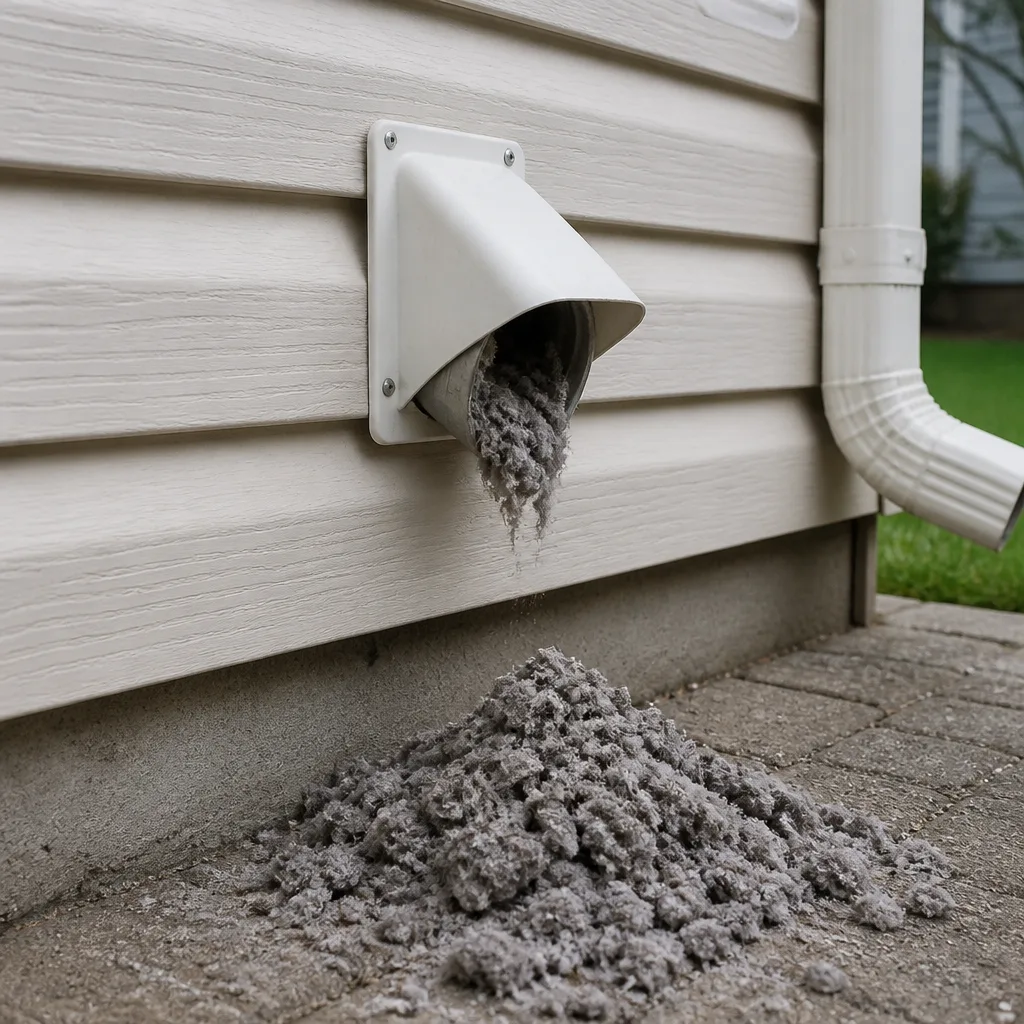 Dryer vent cleaning
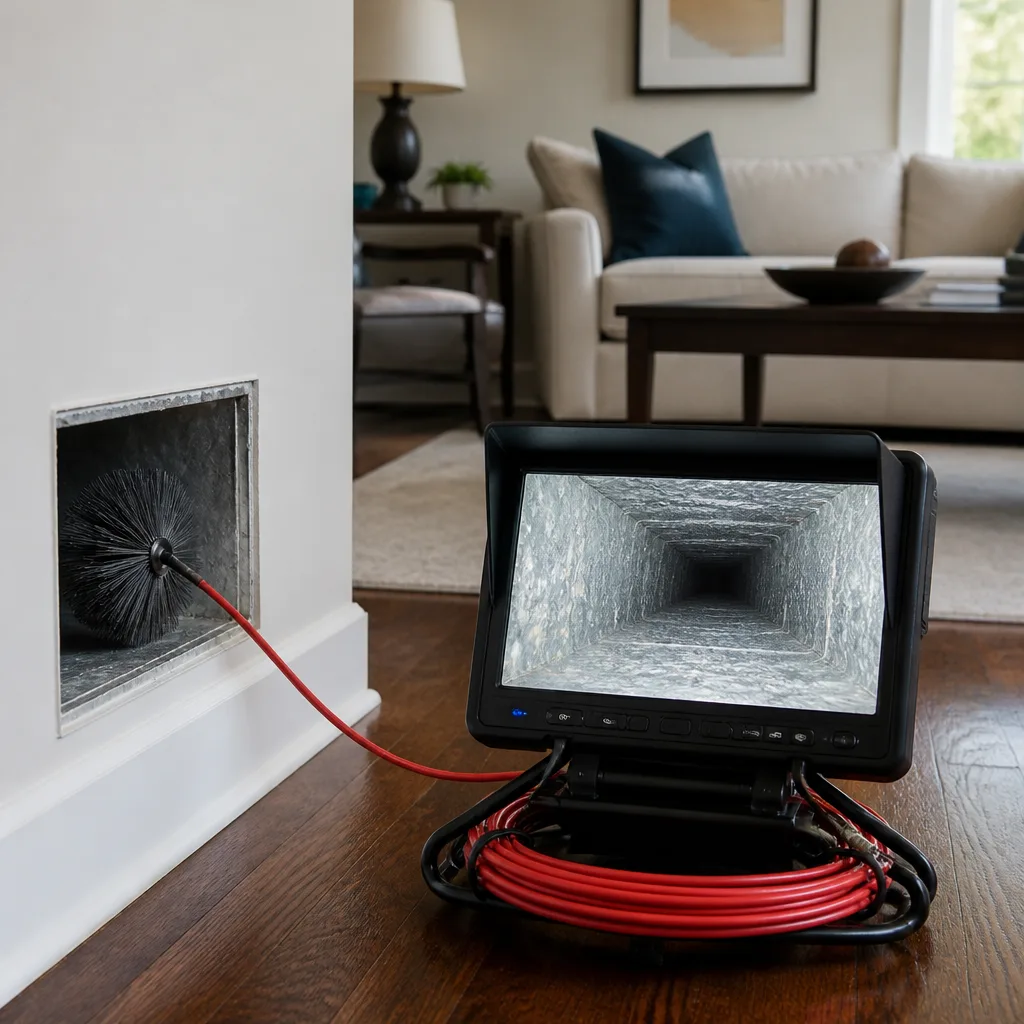 Camera inspection
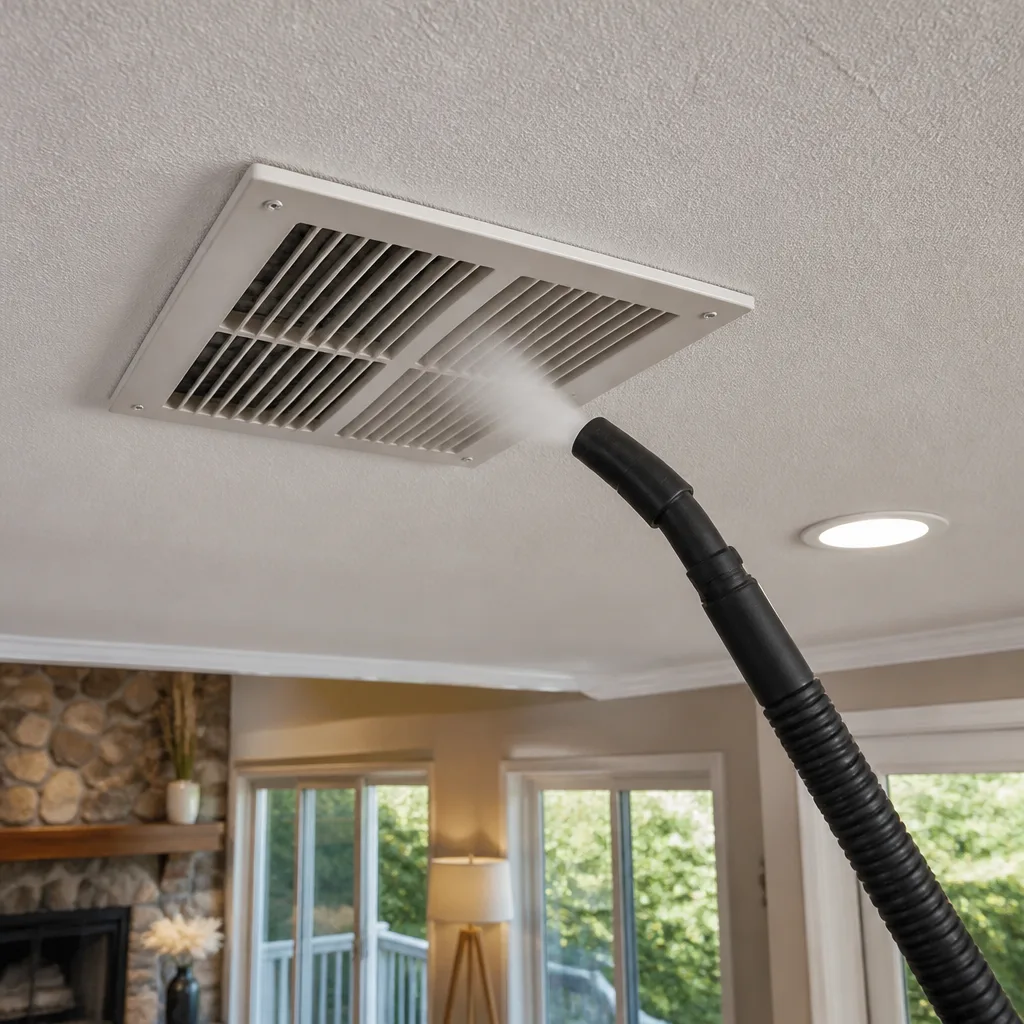 Sanitizing & deodorizing
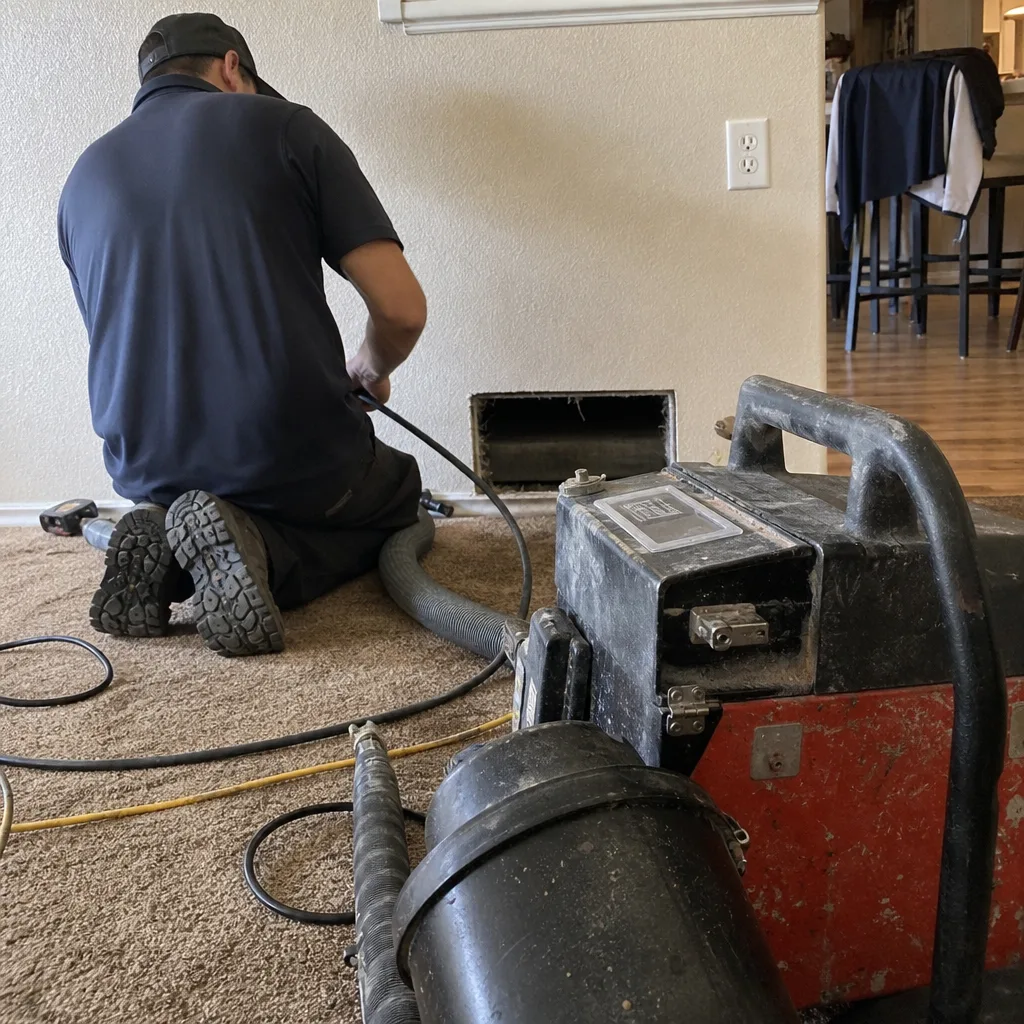
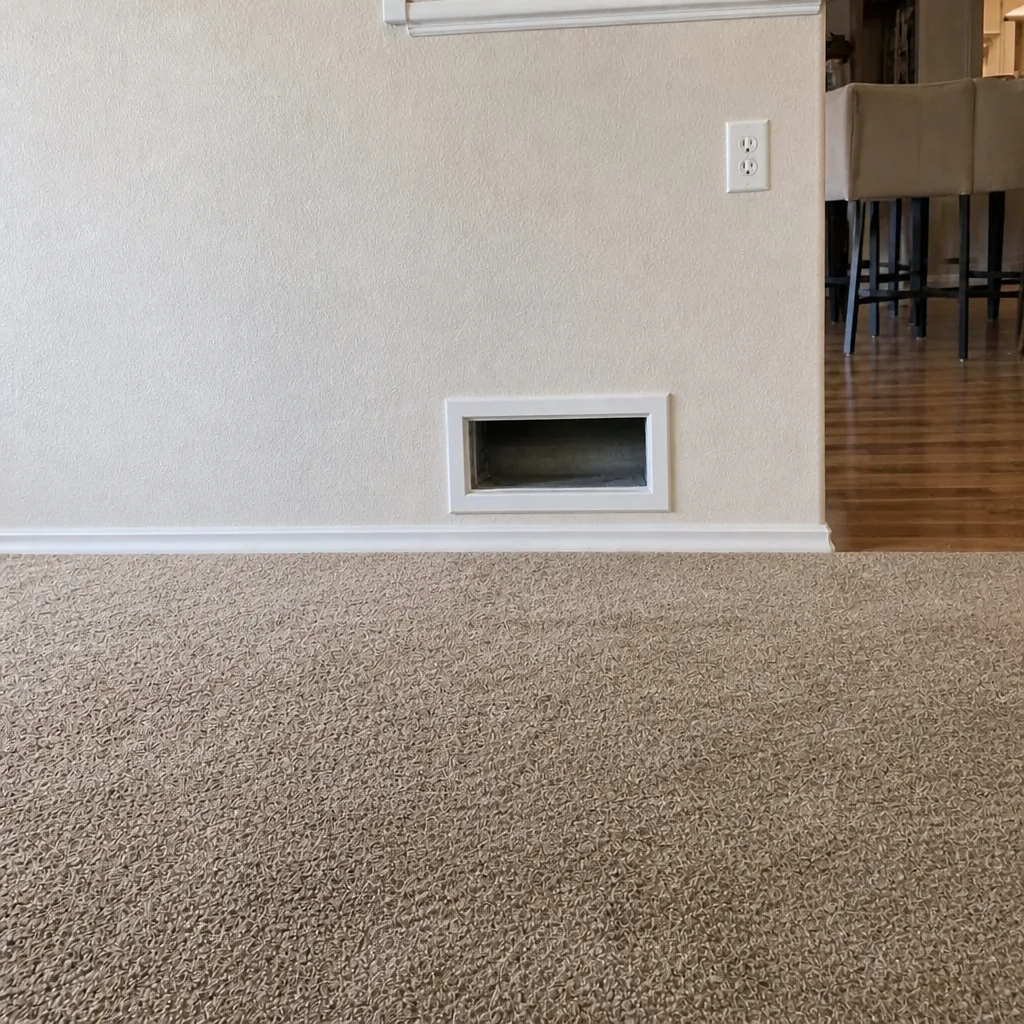
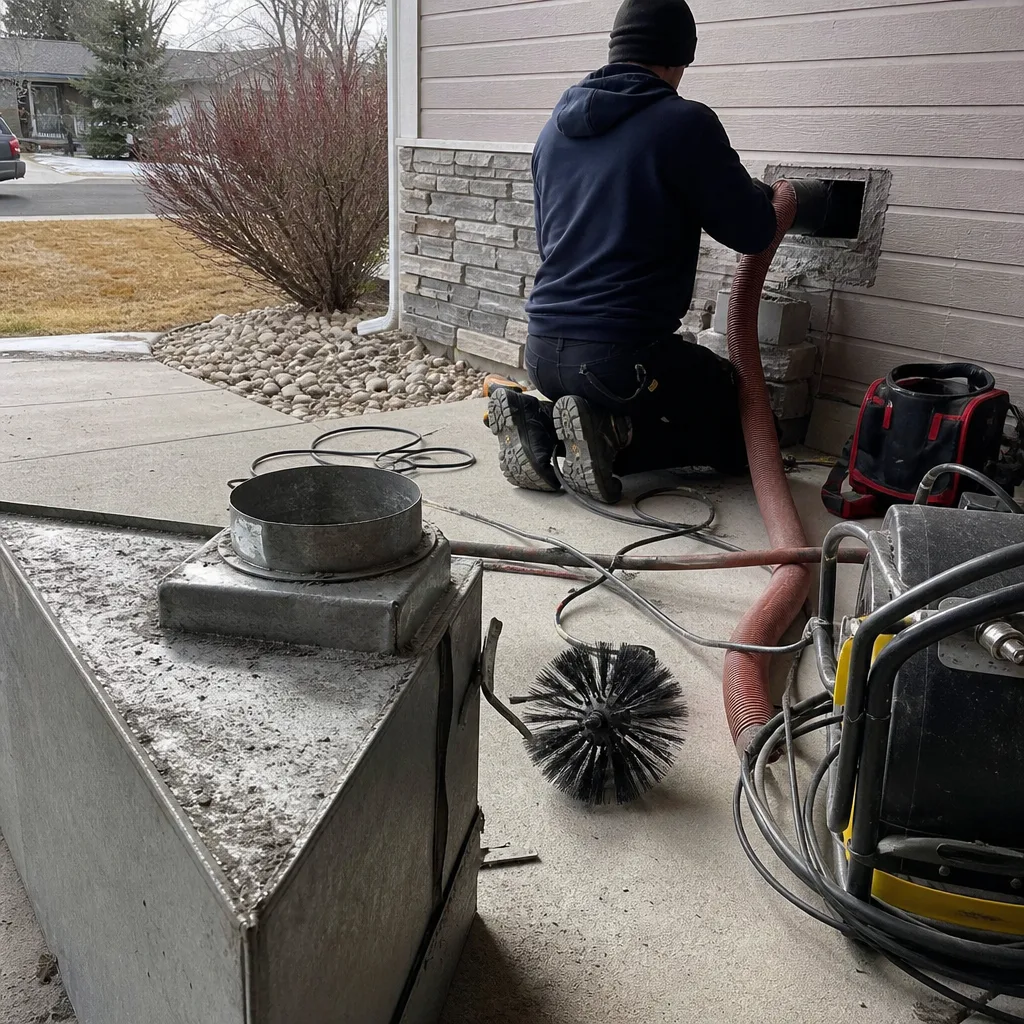
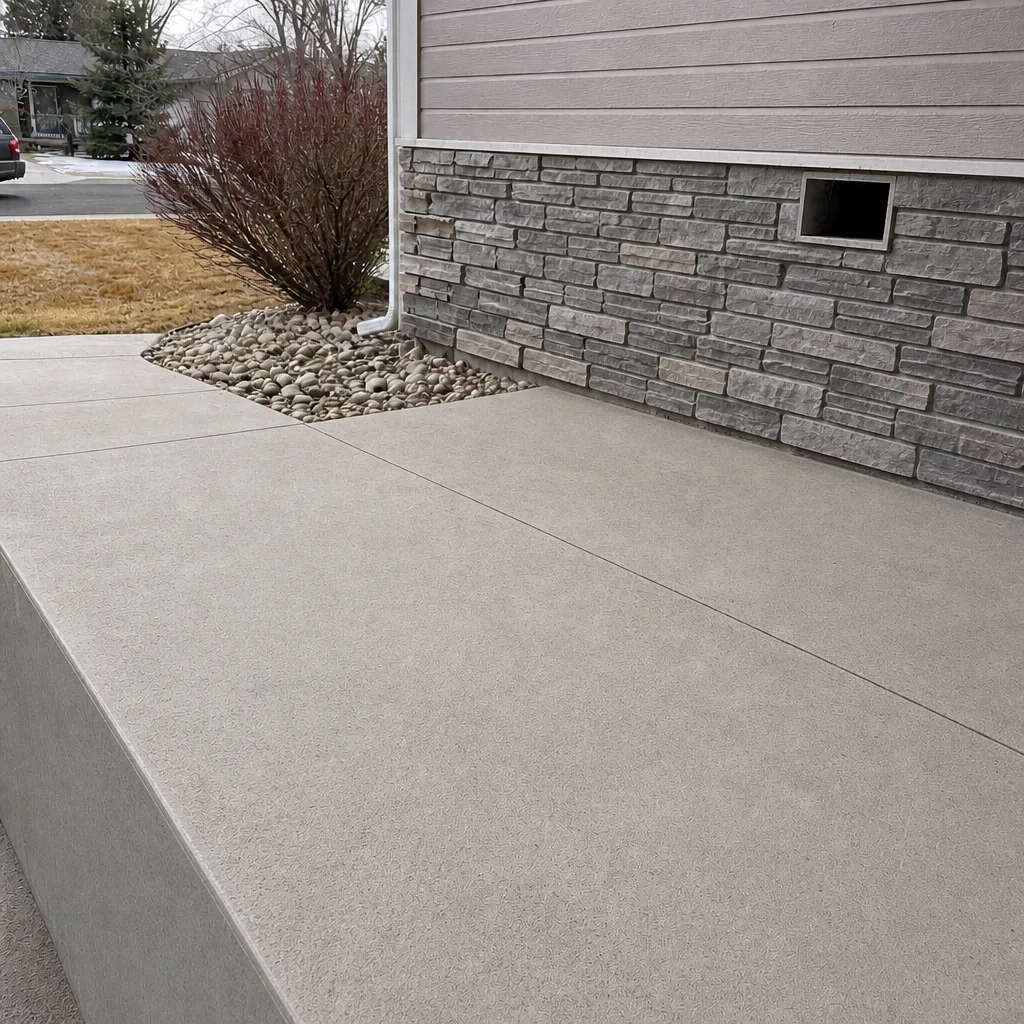
Whole-system duct and dryer vent check with before-and-after photos - you see exactly what came out of your vents
That "$99 whole-house special" is a bait ad - the real number appears once they are in your hallway, or the "clean" is a shop-vac at the register. We photograph the inside of your ducts before and after instead.
Air Duct Cleaning Cost Breakdown: The Fort Collins Homeowner’s Reference for 2026
The $99 duct cleaning ad isn’t a loss leader. It’s a complete product, just not the one most homeowners think they’re buying. That product involves a shop-vac, a short visit, and a sales pitch for add-ons once the technician is inside. The question isn’t whether it’s a scam. The question is whether that product matches what you actually wanted when you searched for duct cleaning. This guide breaks down the real unit economics of duct cleaning in Fort Collins, from equipment class to linear footage, so you can size up any quote on its actual merit instead of its headline number.
Quick Answer
Air duct cleaning in Fort Collins typically runs $350 to $650 for a standard 1,500 to 2,500 sq ft home using commercial-grade extraction and agitation equipment, with smaller homes landing around $250 to $400 and larger homes reaching $650 to $850 or more. The $99 specials you see advertised are a different scope of work entirely, usually a shop-vac pass with no mechanical agitation. The written estimate you receive before work begins sets the final price, and in our experience it should specify linear footage, access points, and equipment class rather than just a flat number.
Styles & brands we work with
- Whole-home duct cleaning
- Dryer vent cleaning
- Camera inspection
- Sanitizing & deodorizing
Table of Contents
- What Actually Drives Duct Cleaning Cost
- 2026 Fort Collins Market Rates by Home Size
- How to Compare Quotes When Contractors Use Different Units
- The Add-On Audit: What’s Worth It and What Isn’t
- What Accounts for the Premium Over Cut-Rate Operators
- Why Fort Collins Homes Accumulate Duct Debris Differently
- What a Proper Duct Cleaning Visit Involves
- Cleaning vs. Repair: Knowing Which One You Need
What Actually Drives Duct Cleaning Cost
Four variables account for nearly all of the spread between a $99 quote and an $850 quote: linear footage of ductwork, number of access points required, extraction equipment class measured in CFM (cubic feet per minute), and whether the agitation tool is mechanical or pneumatic. A home with 60 linear feet of accessible trunk and branch duct needs far less labor than a two-story with 180 linear feet, multiple trunk runs, and a finished basement ceiling that hides half the system. Access points matter because every cut-in requires a technician to locate the duct behind drywall or ceiling, cut a service opening, and seal it afterward. A system with existing access panels cuts labor substantially; a system with none adds it.
Equipment class is where the biggest gap lives. A shop-vac pulls a few dozen CFM at the hose. A commercial HEPA extraction unit like the Nikro systems we use pulls many times that, and it’s paired with mechanical agitation, meaning a rotating brush head physically loosens debris from duct walls before extraction pulls it out. Pneumatic agitation, which uses compressed air whips, works well on some duct types and poorly on others. Mechanical brush systems tend to be more thorough on the rigid sheet metal common in Fort Collins homes built before the 1990s. If a quote doesn’t tell you which agitation method and which extraction class you’re paying for, you’re comparing price tags, not services.
- Linear footage: Straight run length from trunk to every register, plus trunk duct itself.
- Access points: Number of service openings needed to reach all duct sections.
- Extraction class: CFM rating of the vacuum unit, which determines how much debris actually leaves the system.
- Agitation type: Mechanical brush systems vs. pneumatic whips vs. none at all.
- System complexity: Number of zones, returns, and whether the duct runs through finished space.
When you call to schedule air duct cleaning, ask directly which of these four variables the quote accounts for. A contractor who can name them without hesitation is pricing work. One who can’t is pricing a visit.
2026 Fort Collins Market Rates by Home Size
Rates below are typical estimate ranges for 2026 in the Fort Collins market using commercial-grade equipment with mechanical agitation and HEPA extraction. These are starting points, not quotes. The written estimate sets the final price, and your home’s actual layout, access, and system condition move the number within each band.
| Home Size | Typical Range | What Drives Variation |
|---|---|---|
| Under 1,500 sq ft | $250 – $400 | Duct length, whether the system has existing access panels, single vs. multiple returns |
| 1,500 – 2,500 sq ft | $350 – $650 | Number of zones, finished basement, duct routing through wall cavities vs. attic |
| 2,500+ sq ft | $650 – $850+ | Multiple HVAC systems, complex trunk layouts, second-story runs |
Within the 1,500 to 2,500 sq ft band, the largest single variable is how many separate HVAC systems the home has. A single-system 2,200 sq ft home in the Prospect area or along the Spring Creek corridor prices differently from a two-system home of the same square footage in the foothills west of town. Second-story runs with long horizontal attic ducts add labor because every access panel is more involved. Homes with original 1970s or 1980s ductwork often have more debris accumulated and less convenient access, both of which push toward the upper end of the band. Newer construction generally lands lower within the range because ductwork is cleaner and access panels are more standardized.
A finished basement is its own line item in the sense that it hides ductwork that would otherwise be exposed. That doesn’t inflate the price unfairly, it just adds real labor. If your quote is significantly below the range for your home size, ask what equipment class and agitation method are included. The answer tells you whether you’re comparing the same product.
How to Compare Quotes When Contractors Use Different Units
Contractors quote duct cleaning three different ways, and none of them are directly comparable without normalization. Some quote per vent (per register or return), some quote per linear foot of duct, and some quote a flat rate for the whole system. A per-vent quote of $25 sounds reasonable until you count 22 vents and realize you’re at $550 before any trunk cleaning. A per-linear-foot quote at $4 sounds cheap until you learn your system has 160 feet. To compare apples to apples, follow these steps.
- Ask for total linear footage. This is the length of all trunk and branch duct the contractor intends to clean. If they can’t or won’t tell you, that’s information.
- Ask how many access points they’ll cut. Every opening needed to reach all duct sections should be on the quote.
- Ask which agitation method and which extraction class they use. Mechanical brush and HEPA extraction is a different product from shop-vac and surface wipe.
- Convert per-vent quotes to a whole-system total. Multiply per-vent price by your actual vent count, then compare that total to flat-rate and per-foot quotes.
- Ask whether trunk cleaning is included. Some per-vent quotes cover only the branch runs visible at each register, leaving the main trunk untouched.
- Ask for the total, in writing, before work starts. The written estimate should read as one flat price per system, not a menu of line items that expand on-site.
A quote that survives this comparison is worth taking seriously. A quote that dissolves under it was never a comparison in the first place. For a fuller picture of what the process should involve, see our Duct Cleaning Fort Collins service page.
The Add-On Audit: What’s Worth It and What Isn’t
Add-ons are where a $99 special becomes a $700 invoice, and some of them are genuinely worth the money while others are margin plays with thin efficacy. Here’s the honest breakdown.
Add-ons with a defensible cost-benefit ratio:
- Dryer vent cleaning: Worth every dollar. Lint accumulation in the dryer vent is a leading cause of residential fires, and the service is straightforward, mechanical, and verifiable. It belongs in the same visit as duct cleaning if it’s been more than a year. We treat dryer vent cleaning as a dedicated service for exactly this reason.
- Evaporator coil cleaning: Reasonable when done properly with the coil accessible and the correct cleaner. A dirty coil restricts airflow and forces the system to work harder. Worth adding during a cleaning if the coil is at least a couple of years old.
- Duct repair as needed: Not really an add-on so much as a finding. If the technician discovers disconnected joints, crushed flex runs, or torn insulation during cleaning, repair is worth pricing. We offer air duct repair as a standalone service, which means we can fix what we find rather than clean around it.
Add-ons with thin to no defensible efficacy in most homes:
- UV sanitization packages: UV light works against microorganisms on surfaces it directly illuminates. In a duct system with air moving at hundreds of feet per minute and a light fixture installed at one point in the run, the exposure time is a fraction of a second. Skip unless a specific, diagnosed problem calls for it.
- Fogging treatments: A mist of disinfectant delivered into the duct system smells like a solution and reads like one on an invoice. The evidence for lasting benefit in a residential system is thin, and cleaning the ducts physically achieves more.
- Enzyme treatments: Same category. They sound technical. They rarely change the outcome.
If a technician arrives and the visit shifts quickly toward a pitch for these packages, that’s the moment to ask whether the base price reflected a full cleaning or a loss-leader visit. The question is fair and worth asking out loud.
What Accounts for the Premium Over Cut-Rate Operators
The gap between a $99 quote and an $800 quote is not mostly profit margin. It’s equipment depreciation, filter replacement, and the labor floor required to operate commercial-grade systems without damaging ductwork. A commercial HEPA extraction unit that pulls properly rated CFM costs several times what a shop-vac costs and depreciates in a way a shop-vac doesn’t. The HEPA filters inside it are consumables, replaced on a schedule tied to volume, not to marketing. A Rotobrush agitation system requires its own maintenance and brush heads sized for specific duct types. None of that shows up on a receipt, but all of it shows up in the price of a proper job.
Then there’s the training floor. A technician operating a commercial extraction unit and a mechanical agitation system needs to know which brush head fits which duct type, how to avoid damaging flex duct connections, how to detect disconnected joints before cutting in, and how to seal every access point cleanly. That’s not a one-week onboarding. Our technicians have up to 12 years of experience, and the difference between a trained operator and an untrained one matters more inside your duct system than almost anywhere else in home service.
The Abatement Technologies containment equipment we use is standard in mold and contaminant remediation, and it exists for a reason: keeping the work area and the air in it controlled while the extraction unit runs. It’s remediation-grade air management, not a claim about being the best at anything. It’s just the equipment class matching the work.
- Commercial HEPA extraction with CFM rating appropriate to residential duct volume
- Mechanical brush agitation sized to duct type
- Consumable HEPA filter replacement on a volume schedule
- Containment equipment to protect the household during extraction
- Trained operators who can diagnose and repair, not just clean
None of this is a premium placed on a generic service. It’s a different service wearing the same industry label.
Why Fort Collins Homes Accumulate Duct Debris Differently
Fort Collins sits along the Front Range where dry, windy spring afternoons push fine dust and pollen through open windows and into return air, and where winter temperature swings put HVAC systems through more heating hours than a milder climate would. Add a construction boom that’s brought years of disturbance dust to neighborhoods throughout Fort Collins, and you get a fairly predictable pattern: duct systems here tend to load faster than in wetter, calmer climates, and the debris mix leans toward fine particulate that coats duct walls rather than settling as heavy lint.
That matters for pricing because fine particulate is what a mechanical brush system is built for. A shop-vac pass on a system coated in fine dust dislodges some of it and leaves the rest. A brush agitation run over the same system pulls the coating free, and a HEPA extraction unit at proper CFM then removes it. Homeowners in Fort Collins who pay for one and get the other often can’t tell until a year later when the same symptoms return.
Fort Collins homes also span a wide range of construction eras. Older neighborhoods have original rigid sheet metal ductwork with fewer access panels. Newer construction leans on flex runs in attics and crawlspaces with more accessible joints. The two require different brush head selection and different access strategies, and the price reflects it. If you want the process detail behind the pricing, the Fort Collins area page on our site covers how we approach both.
What a Proper Duct Cleaning Visit Involves
A proper visit is methodical, and knowing the sequence helps you recognize a proper one when it’s happening in your home. The following steps describe what a commercial-grade cleaning involves in a typical Fort Collins home.
- Inspection and access planning. The technician walks the system, identifies trunk and branch runs, and maps the access points needed to reach every section.
- Containment setup. Containment barriers go up around the work area to control dust migration during extraction.
- Register and return removal. Registers and return grilles come off so the cleaning tools can reach the duct interior, and they’re cleaned themselves before reinstallation.
- Mechanical agitation. A rotating brush head is fed through each duct run, loosening debris from duct walls along the full length of the run, not just at the openings.
- HEPA extraction. A commercial HEPA extraction unit connected at the opposite end of the system pulls loosened debris out under negative pressure.
- Trunk cleaning. The main trunk runs receive the same treatment. This is the step cut-rate visits often skip.
- Access panel sealing. Every service opening is sealed, and registers and grilles are reinstalled.
- Before-and-after photos. A proper visit ends with photos of your own ducts, so you can see what was there and what’s there now.
Expect a proper visit to take a substantial part of the day for a typical Fort Collins home. It’s a scheduled job, not a fast one, and speed has never been a reason to hire anyone for it. If a contractor promises a full system clean in 45 minutes, ask which of the steps above they’re omitting.
Cleaning vs. Repair: Knowing Which One You Need
Sometimes the answer isn’t cleaning. Disconnected joints, crushed flex duct, torn internal insulation, and sagging runs are all problems that cleaning won’t solve and that make cleaning less effective. If your home has rooms that never get enough air, or rooms that get too much, the underlying cause may be a compromised duct system rather than a dirty one. A technician with repair capability can diagnose that during the inspection and quote the repair alongside the cleaning. A company that only cleans will clean around the problem and hand you the same symptoms again next year.
This is why we treat air duct repair as its own service rather than a line item tucked into a cleaning quote. Cleaning and repair are different jobs with different labor and different equipment needs, and pricing should reflect that honestly. For homeowners in Fort Collins dealing with recurring comfort issues, the diagnostic sequence above usually reveals which of the two is the real fix.
When it comes to indoor air quality components, we stock and service Honeywell and Aprilaire equipment, which means a filtration or humidity control upgrade can be handled in the same visit as a cleaning rather than as a separate project. Guardsman-grade protective products are part of our process as well, used to protect surfaces during the work.
Common Mistakes to Avoid
- Comparing a per-vent quote to a flat rate without converting. A $25-per-vent quote on a 22-vent system is $550 before trunk cleaning. Normalize every quote to a whole-system total before you compare.
- Booking the cheapest quote without asking which equipment class it includes. A shop-vac and a commercial HEPA extraction unit are not the same product, and the price gap between them reflects that.
- Assuming dryer vent cleaning is included in a duct cleaning. In Fort Collins homes, the dryer vent is a separate system and a separate fire risk. Ask for it explicitly.
- Paying for UV sanitization or fogging without a diagnosed reason. These packages often add margin without adding measurable benefit. Spend that money on proper agitation and extraction instead.
- Skipping the before-and-after photos. Without photos of your own ductwork, you have no way to verify what was done. Ask for them before the technician leaves.
- Ignoring recurring comfort problems as “just how the house is.” Persistent hot and cold rooms in Fort Collins homes are often a duct repair issue, not a cleaning issue, and cleaning alone won’t fix them.
- Letting the on-site price change without a written revision. The written estimate is the price. If it changes on-site, ask for the change in writing before work continues.
See the difference
 Before
 After
 Before
 After
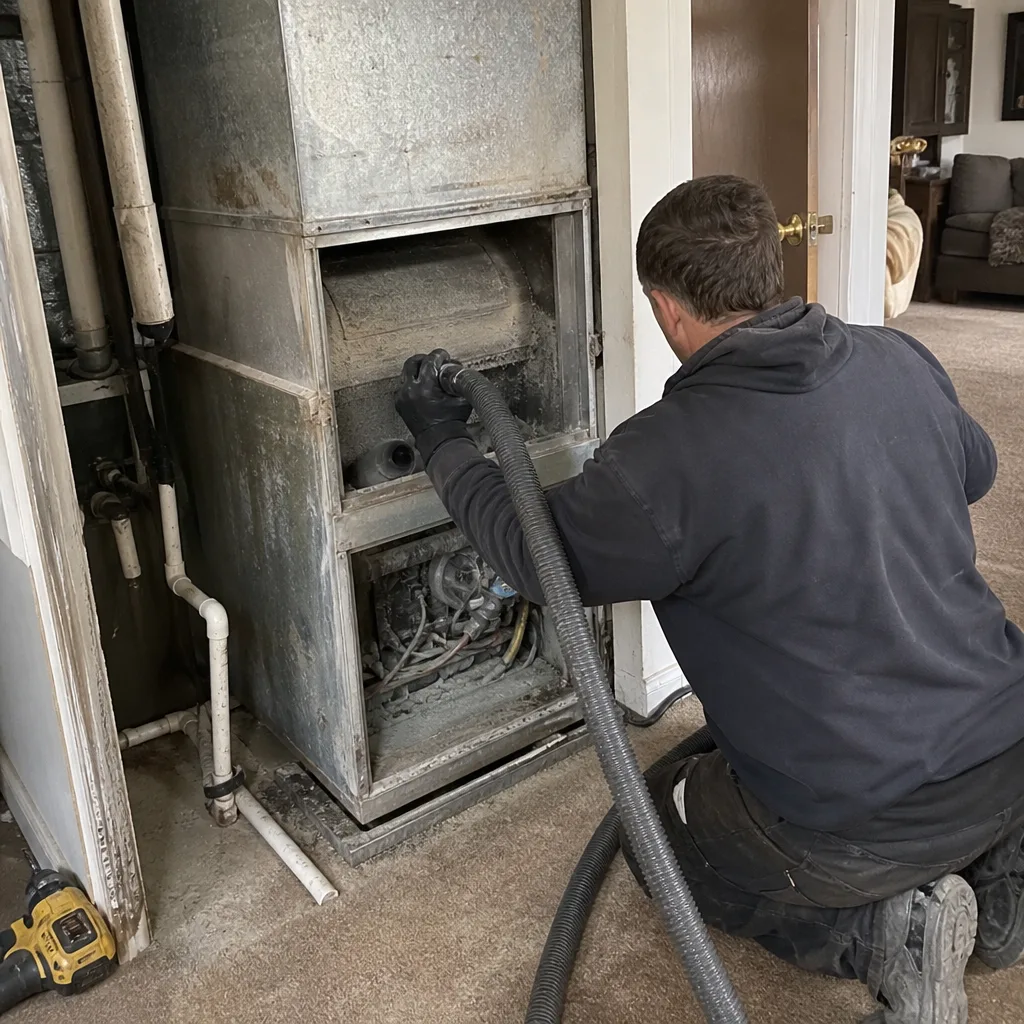 Before
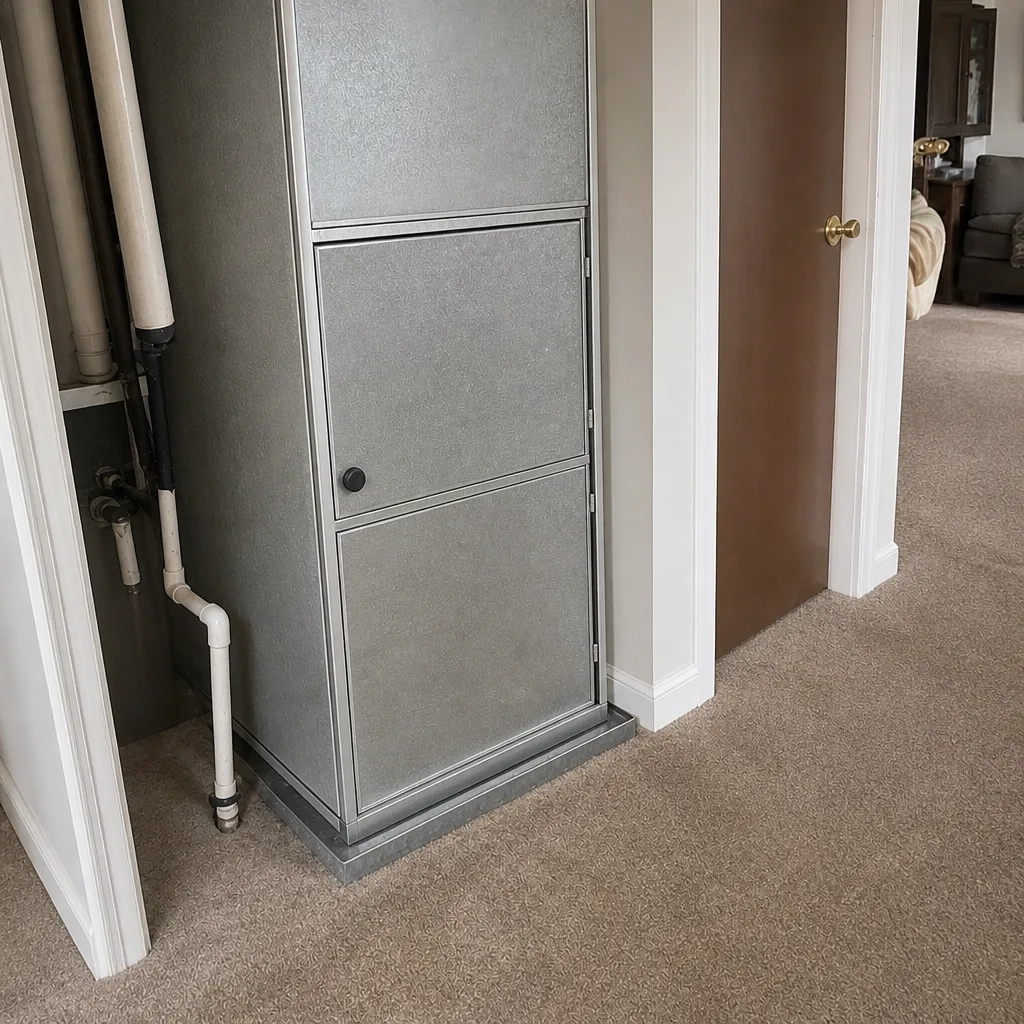 After
When to Call a Professional
Call a professional when you see visible dust blowing from registers after the system starts, when family members with allergies or asthma notice symptoms that improve away from home, when the system has been through a major renovation or a long stretch without service, or when your dryer takes noticeably longer than it used to. Also call if you’re hearing whistling or rattling from the ductwork, which can signal a disconnected or crushed run. These are cases where the right equipment and trained operators matter. Duct Cleaning Fort Collins offers free estimates in Fort Collins. Call (844) 834-5984. We answer 24/7. Fast dispatch from 7am to 7pm, Sunday through Friday.
Frequently Asked Questions
Air duct cleaning in Fort Collins typically costs $350 to $650 for a home between 1,500 and 2,500 sq ft using commercial-grade agitation and HEPA extraction, with smaller homes starting around $250 and larger homes running $650 to $850 or more. The written estimate you receive sets the final price, so it should specify linear footage, access points, and equipment class. Call (844) 834-5984 for an exact quote – estimates are free.
Cheap quotes are usually pricing a different product: a shop-vac pass without mechanical agitation or HEPA extraction, often with a short visit that skips trunk cleaning entirely. That’s not necessarily a scam, but it’s not the same service as a commercial-grade cleaning. The price difference reflects equipment class, filter replacement costs, and the training required to operate the equipment safely. Call (844) 834-5984 for an exact quote – estimates are free.
Ask for before-and-after photos of your own ductwork, not stock images. A proper visit also involves visible containment setup, register removal, and a technician who can tell you how many access points were cut and how much linear footage was cleaned. If a contractor can’t answer those questions at the end of the visit, that’s worth noting. Call (844) 834-5984 for an exact quote – estimates are free.
Most Fort Collins homes benefit from a cleaning every three to five years, though homes near active construction or with pets and allergy sufferers may want it more often. Fine particulate from Front Range dust and pollen loads ducts faster here than in wetter climates. The written estimate from a professional inspection will tell you what your specific system actually needs. Call (844) 834-5984 for an exact quote – estimates are free.
Yes, if it’s been more than a year since the last one. Dryer vent lint accumulation is a leading cause of residential fires, and having it handled during the same visit is efficient. It’s priced as a separate service because it’s a separate system. Call (844) 834-5984 for an exact quote – estimates are free.
Then cleaning alone won’t solve the problem. Disconnected joints, crushed flex duct, and torn insulation need repair, and a technician trained for both can diagnose the difference during the inspection. We offer air duct repair as a standalone service for exactly this reason. Call (844) 834-5984 for an exact quote – estimates are free.
The Bottom Line
The $99 duct cleaning and the $800 duct cleaning are both honest prices for what they deliver. One is a brief shop-vac visit with add-on sales; the other is a full commercial-grade clean with mechanical agitation and HEPA extraction. The work of comparing quotes isn’t finding the lowest number. It’s normalizing every quote to a whole-system total, confirming which equipment class and agitation method it includes, and checking whether the add-ons are defensible or just margin. For Fort Collins homeowners, that comparison usually lands a standard home in the $350 to $650 range, with the written estimate setting the final price. When you’re ready to compare a real quote against the numbers here, call (844) 834-5984. We answer 24/7. Fast dispatch from 7am to 7pm, Sunday through Friday. Estimates are free, and a full system cleaning comes with before-and-after photos of your own ducts.
Written by the team at Duct Cleaning Fort Collins.