
Last updated November 15, 2026
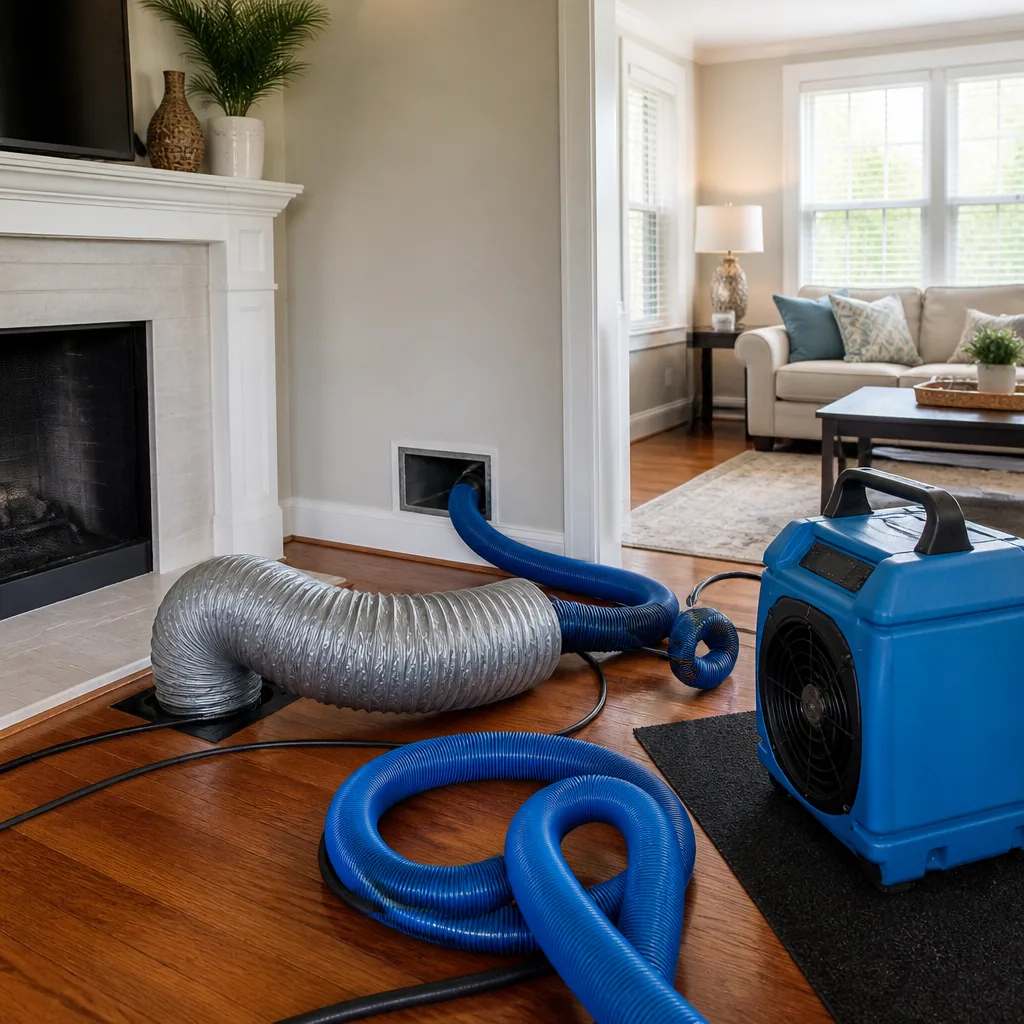 Whole-home duct cleaning
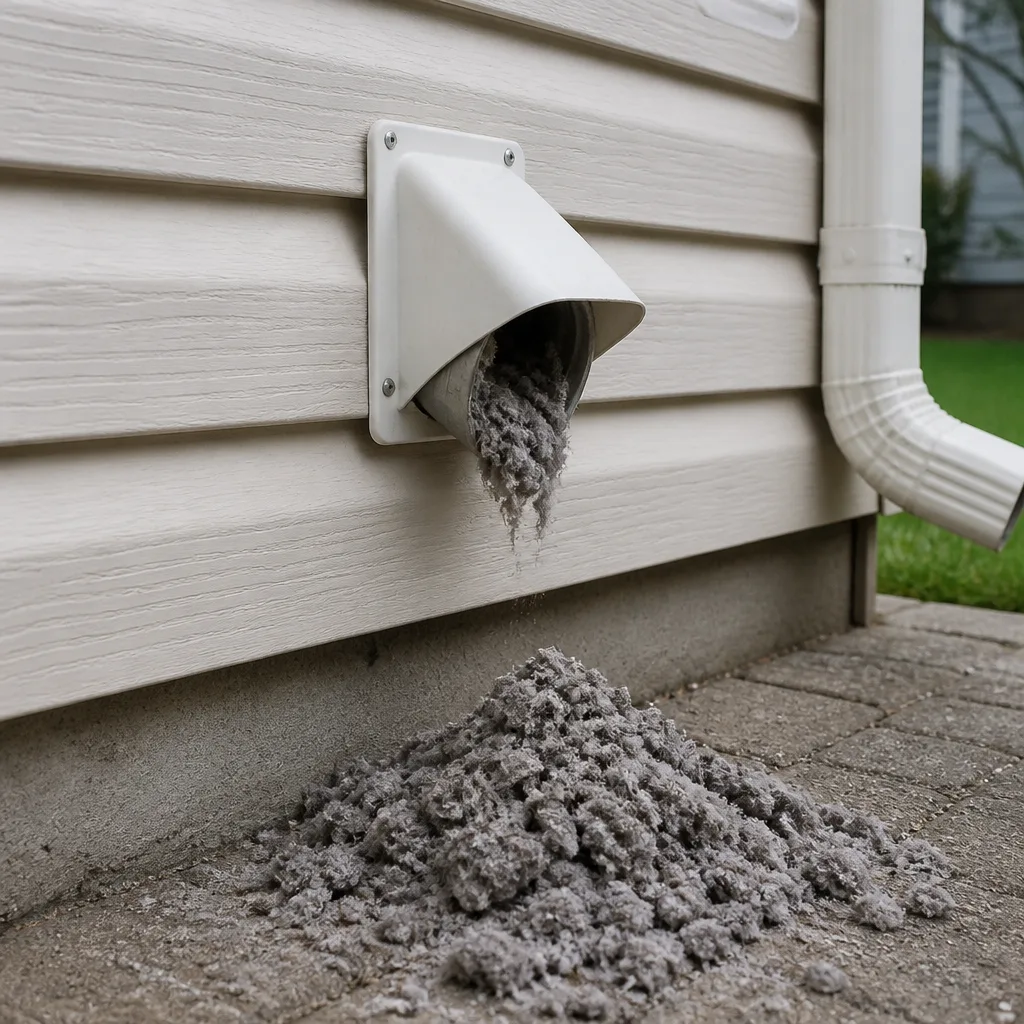 Dryer vent cleaning
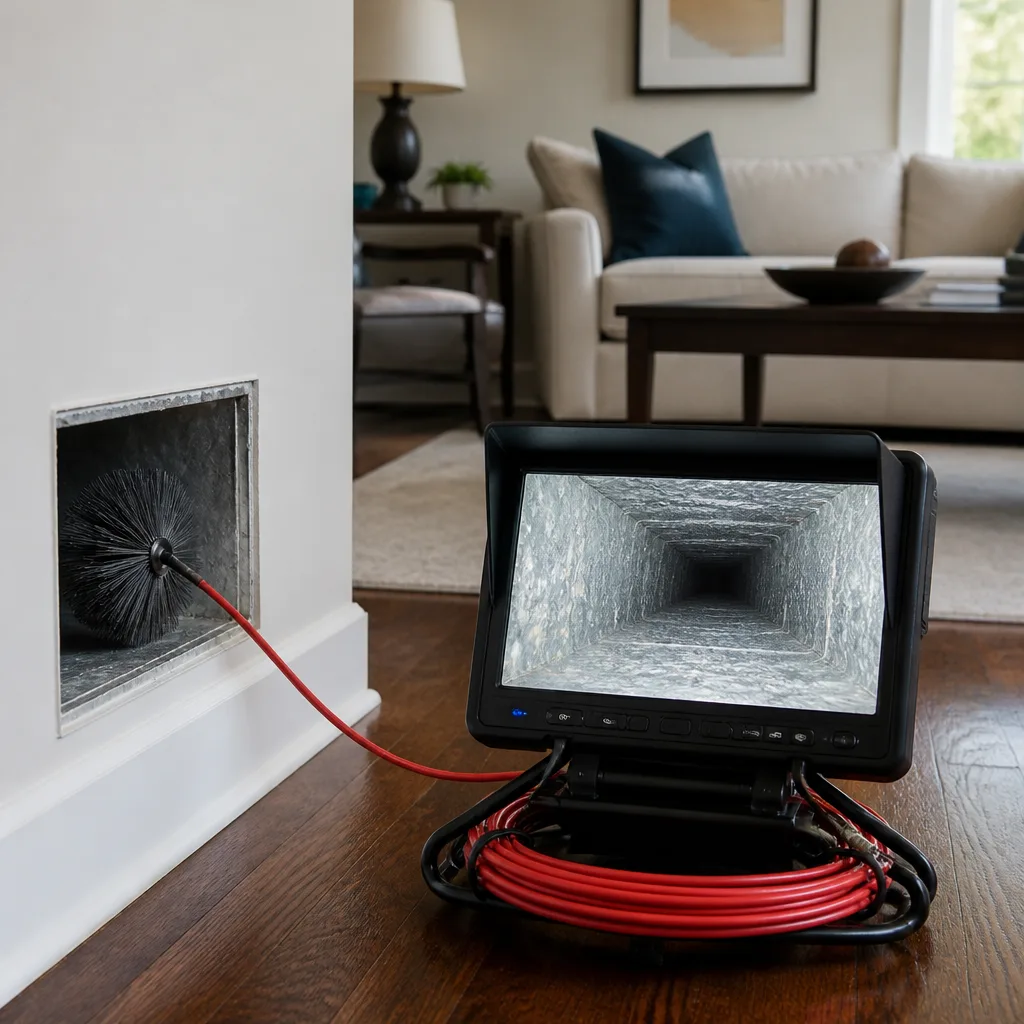 Camera inspection
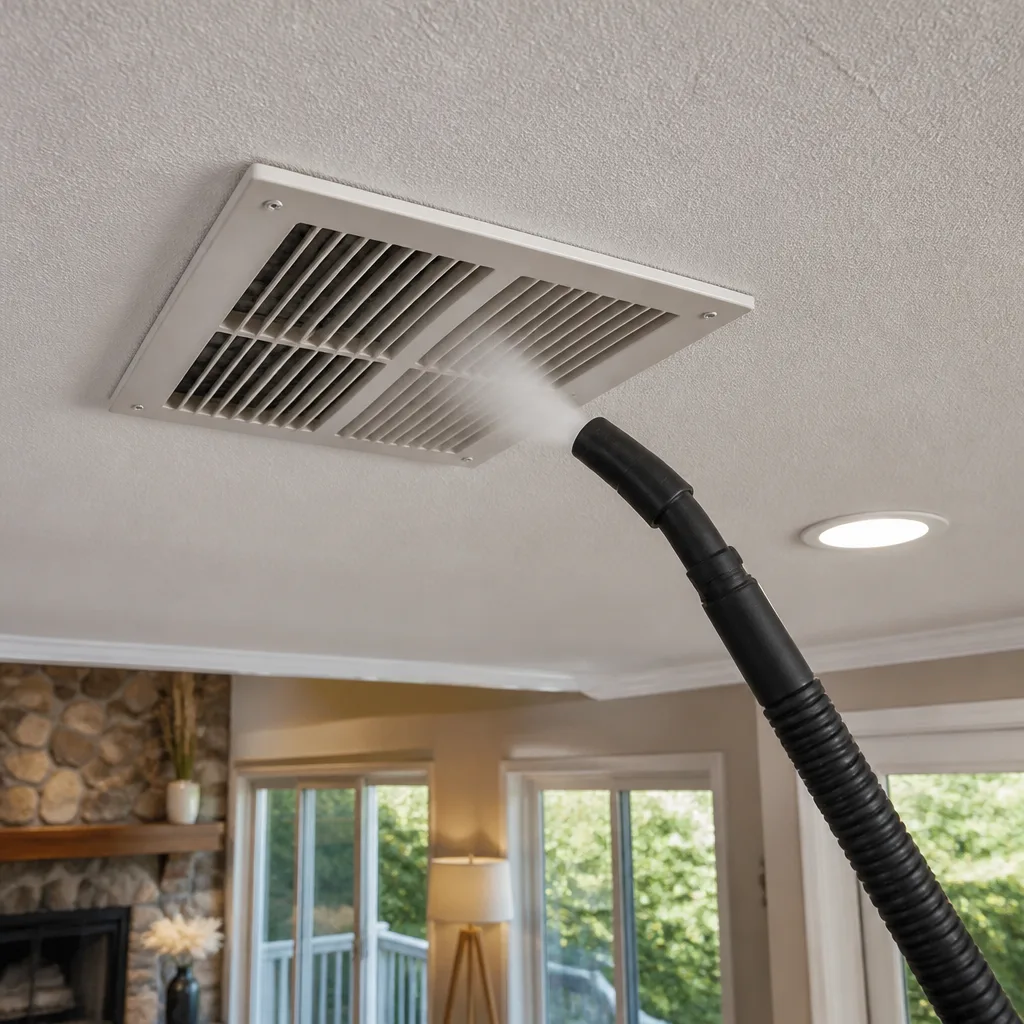 Sanitizing & deodorizing
Whole-system duct and dryer vent check with before-and-after photos - you see exactly what came out of your vents
That "$99 whole-house special" is a bait ad - the real number appears once they are in your hallway, or the "clean" is a shop-vac at the register. We photograph the inside of your ducts before and after instead.
Air Duct Cleaning Emergency Preparedness Guide for Fort Collins Homes
Most homeowners in Fort Collins believe that closing the windows and switching the thermostat to recirculate protects the inside of the house during a smoke event. In a system with leaky return ducts, the opposite happens. Recirculation pulls smoke through gaps in the return pathway and pushes it out through every branch of the duct system, spreading fine particulate into rooms that never saw an open window. The same wrong-order problem shows up after a basement flood and after a house fire: the system gets switched back on before anyone checks what’s sitting inside it. This guide gives you the right sequence for all three scenarios, plus the documentation you’ll need if you file an insurance claim.
Quick Answer
Air duct cleaning after a smoke, water or fire event in Fort Collins should happen in a fixed order: stop running the system, inspect the ductwork and return air pathways, clear and contain the contamination, then restart. Skipping the inspection step and simply turning the thermostat back on distributes soot, ash or mold spores through the whole house. If your system took on smoke, floodwater or fire residue, get an inspection before the HVAC runs again, and call (844) 834-5984 for a free estimate.
Styles & brands we work with
- Whole-home duct cleaning
- Dryer vent cleaning
- Camera inspection
- Sanitizing & deodorizing
Table of Contents
- Wildfire Smoke Infiltration: What to Do During and After a Red Flag Event
- Smoke Particles vs. Household Dust: Why the Response Is Different
- Flood and Moisture Emergencies in Return Air Pathways
- Post-Fire HVAC Reactivation: The Correct Order of Operations
- Documenting Duct Contamination for a Colorado Insurance Claim
- Pre-Season Preparation That Reduces Emergency Vulnerability
- Common Mistakes to Avoid
- When to Call a Professional
Wildfire Smoke Infiltration: What to Do During and After a Red Flag Event
During a Red Flag Warning in Fort Collins, the instinct to shut the house up and run the air conditioner is understandable and often wrong in a specific way. The AC itself isn’t the problem. The problem is the return air side of the system. A return duct that pulls from a crawlspace, an attic chase or a garage-adjacent plenum is drawing from a space that is not sealed against outside air. When that return runs, it creates negative pressure in the house and pulls smoke in through every gap it can find.
Here’s the sequence we recommend during a smoke event:
- Set the system to fan OFF, not recirculate. Continuous fan operation keeps pulling air through leaky returns all day. Let the system sit idle unless you need heating or cooling.
- Close fresh-air intakes if your system has them. Some newer builds in Fort Collins have a dedicated outdoor air intake tied to the HVAC. Shut the damper during a smoke event.
- Run standalone HEPA air cleaners in the rooms you use most. A portable HEPA unit in a bedroom or living room does more for occupied air than a duct system with compromised returns.
- Seal obvious gaps temporarily. Weatherstripping around a crawlspace hatch, a foam plug in a disconnected flex run, tape over a gap at the furnace cabinet. These are temporary measures, not repairs.
- Log the event. Date, duration, visible smoke, any ash on windowsills or outdoor surfaces, and photographs. You’ll want this for insurance or for a future inspection conversation.
After the smoke clears, the assessment phase begins. Smoke doesn’t disappear from a duct system when the air outside improves. Fine particulate settles on duct walls, in the blower compartment, on the evaporator coil and inside return plenums. In our experience, homes near the western edges of Fort Collins, where the foothills channel smoke, tend to hold more of it than homes out on the eastern plains side of the city. A visual inspection with a camera through the supply and return runs tells you what you’re dealing with faster than any guess.
Smoke Particles vs. Household Dust: Why the Response Is Different
Household dust is mostly large enough that a standard filter and regular cleaning handle it. Wildfire smoke is not. The particulate that matters most from a smoke event is PM2.5, particles small enough to travel deep into the lungs and small enough to pass through a basic filter and settle inside ductwork where a vacuum can’t reach without agitation. That difference dictates the correct response.
The practical distinction:
- Dust settles on horizontal surfaces, wipes up, and responds to a filter change and normal cleaning.
- Smoke particulate coats vertical duct walls and clings electrostatically. It needs mechanical agitation, not just suction. A brush-and-vacuum system like Rotobrush agitates the surfaces and lifts the material so it can be captured.
- Smoke odor is a separate problem from smoke particulate. Odor compounds can linger after visible soot is gone, and they live in porous materials, gaskets and insulation facing.
- Filtration upgrades help ongoing air quality but they don’t remove what’s already settled in the ducts. A MERV-13 filter on a dirty system just loads up faster and restricts airflow.
This is the fork in the road most homeowners miss. If your ducts are holding a heavy smoke load, the correct first move is cleaning, then filtration. If the ducts are clean and the concern is ongoing outdoor smoke during fire season, the correct move is filtration and containment, not another cleaning. Which one you need depends on what the inspection finds, which is why we inspect before we quote. When we clean, we use Nikro HEPA extraction to keep the loosened material contained rather than redistributing it into the living space.
Flood and Moisture Emergencies in Return Air Pathways
Water in a return air plenum or crawlspace ductwork is a fast-moving problem. Mold can begin colonizing wet duct liner and insulation within 48 to 72 hours of the water event. That window is short, and it’s the single most important number in this section. Everything you do in the first two days determines whether you’re cleaning a wet system or remediating a mold problem.
What to do, in order:
- Stop the system. Turn off the thermostat and, if you can safely reach it, the breaker feeding the air handler. Running a wet system spreads moisture and spores through every duct branch.
- Stop the water source and document the extent. Photograph the water line on ductwork, insulation and framing before anything dries. Insurance adjusters want to see the high-water mark.
- Remove standing water and start drying. Air movers and a dehumidifier in the affected space. Duct liner that stays wet past 72 hours is usually a removal and replacement decision, not a drying decision.
- Get the ductwork inspected before reactivation. A camera inspection of the flooded runs tells you whether liner is compromised, whether flex duct has collapsed internally and whether mold has started.
- Clean and contain, then reactivate. Contaminated material gets removed under containment. We use Abatement Technologies containment equipment for exactly this scenario because the standard in mold and contaminant work is containment, not a vacuum running open in a room.
Older homes around Old Town and the neighborhoods closer to the Poudre River see this more often than newer builds, simply because crawlspace ductwork and older return configurations are more exposed to groundwater. If your return pulls from a crawlspace, a wet spring is worth a look down there even if the house never flooded visibly.
Post-Fire HVAC Reactivation: The Correct Order of Operations
After a house fire, the instinct is to get the air moving again to clear the smell. Doing that before the ducts are cleared is the single most damaging thing a homeowner can do. Running the HVAC after fire damage doesn’t remove contamination, it distributes it. Soot and fire residue that sat in one section of ductwork gets pushed through every supply register in the house, including rooms that were untouched by the fire itself.
The correct sequence:
- Inspection first, always. Camera inspection of supply and return runs, the blower compartment, the evaporator coil and the filter slot. You need to know where the soot is before anything moves.
- Containment second. Negative pressure containment around the work area keeps loosened soot from migrating into clean rooms during the cleaning itself.
- Cleaning third. Mechanical agitation of duct surfaces followed by HEPA extraction. Porous materials that can’t be cleaned, like compromised duct liner, get removed and replaced.
- System restart fourth. After cleaning and inspection confirm the system is clear, the HVAC is reactivated and airflow is verified at the registers.
- Filtration upgrade fifth. Filter and any IAQ components get addressed last, once the ducts are clean enough to support them.
That fifth step is where brands matter. Honeywell and Aprilaire components are common in Fort Collins homes, and if your system has a media cabinet or an in-duct air cleaner from either brand, it needs to be serviced and fitted correctly after remediation, not just crammed with a generic filter.
Documenting Duct Contamination for a Colorado Insurance Claim
Standard homeowners policies in Colorado vary on how they treat duct cleaning after a covered loss. Some adjusters treat it as part of the smoke or water remediation; others want to see the contamination documented separately. Either way, the homeowner who has good documentation before the contractor arrives gets a smoother claim than the one who doesn’t.
What to collect, starting the day of the event:
- Photographs of the exterior conditions (smoke plume, ash on surfaces, water line on the foundation) and interior conditions (soot on registers, visible moisture in duct openings, damaged insulation).
- Dates and times of the event, the system shutdown and any mitigation steps you took.
- Air quality readings if you have a monitor, taken indoors and outdoors, with the timestamp visible.
- A written contractor report from the inspection, describing what was found in the ducts, which sections were affected and what the recommended scope of work is. This is the document adjusters lean on.
- Before-and-after photos of the ducts themselves, which confirm the work was actually done to the extent described.
Ask for the inspection report in writing, with photos attached, before the cleaning begins. A contractor who can’t produce one is a contractor whose invoice won’t hold up with an adjuster. We provide before-and-after photos of your own ducts as part of the job, because that’s the only way a homeowner can verify what was done inside a space they can’t see.
Pre-Season Preparation That Reduces Emergency Vulnerability
The best time to think about smoke season in Fort Collins is before it starts. A few targeted steps in the spring reduce what a smoke or water event can do to your system in the summer and early fall. None of these replace cleaning a contaminated system, but they lower the odds you’ll need emergency work.
- Inspect return air pathways. Every return should be sealed at the connection to the air handler and along its run. Gaps in a crawlspace return are the number one smoke entry point we find.
- Seal accessible duct joints. Mastic or foil tape on accessible joints in the basement or attic. Not duct tape, and not on flex duct that’s already failing.
- Time your MERV-13 upgrade correctly. Install a higher-MERV filter before local fire season, after confirming your blower can handle the added static pressure. A filter upgrade on a system that can’t support it is worse than no upgrade.
- Check your dryer vent at the same time. It’s a separate fire risk and a fast one to inspect. Lint buildup in the vent is a leading cause of residential fires, and it gets worse in summer. If you want that handled alongside your duct work, dryer vent cleaning covers it as a dedicated service rather than an afterthought.
- Schedule cleaning before the season, not during it. A clean system has less material for smoke to adhere to. If your ducts haven’t been cleaned in years and you live in a wildfire-prone area of Fort Collins, spring is when to book it.
If your ducts show signs of physical damage, disconnected runs, crushed flex sections or failed connections at the plenum, that’s an air duct repair problem and not a cleaning problem. Cleaning around a broken duct just leaves a gap that pulls in whatever is outside.
Common Mistakes to Avoid
- Switching the system to recirculate during a smoke event without checking the returns. Recirculation only contains smoke if the return side is sealed. In a leaky system, it spreads the problem.
- Running the HVAC after a fire to clear the smell. The smell is a symptom. Running the system pushes soot into every branch of ductwork before anyone has inspected it.
- Reactivting a flooded system before it’s dry. The 48 to 72 hour mold colonization window is real. Turning the system on with wet liner in the ducts is how a water problem becomes a mold remediation.
- Upgrading to a MERV-13 filter to “fix” smoke contamination. Filtration manages ongoing air quality. It doesn’t remove settled particulate. In a Fort Collins home near the foothills, that settled load is often heavier than the owner realizes.
- Accepting a cleaning quote over the phone without an inspection. A per-vent price tells you nothing about scope. The whole-system price should be set after the technician has looked inside the system.
- Skipping documentation during a claim. Photographs taken the day of the event carry more weight with an adjuster than photographs taken two weeks later, once the visible signs have been cleaned up.
- Treating a dryer vent as an optional extra. Dryer vent cleaning is a fire safety service. Lint-clogged vents are one of the most common causes of residential fires, and in older Fort Collins homes with long vent runs, they’re especially easy to forget.
See the difference
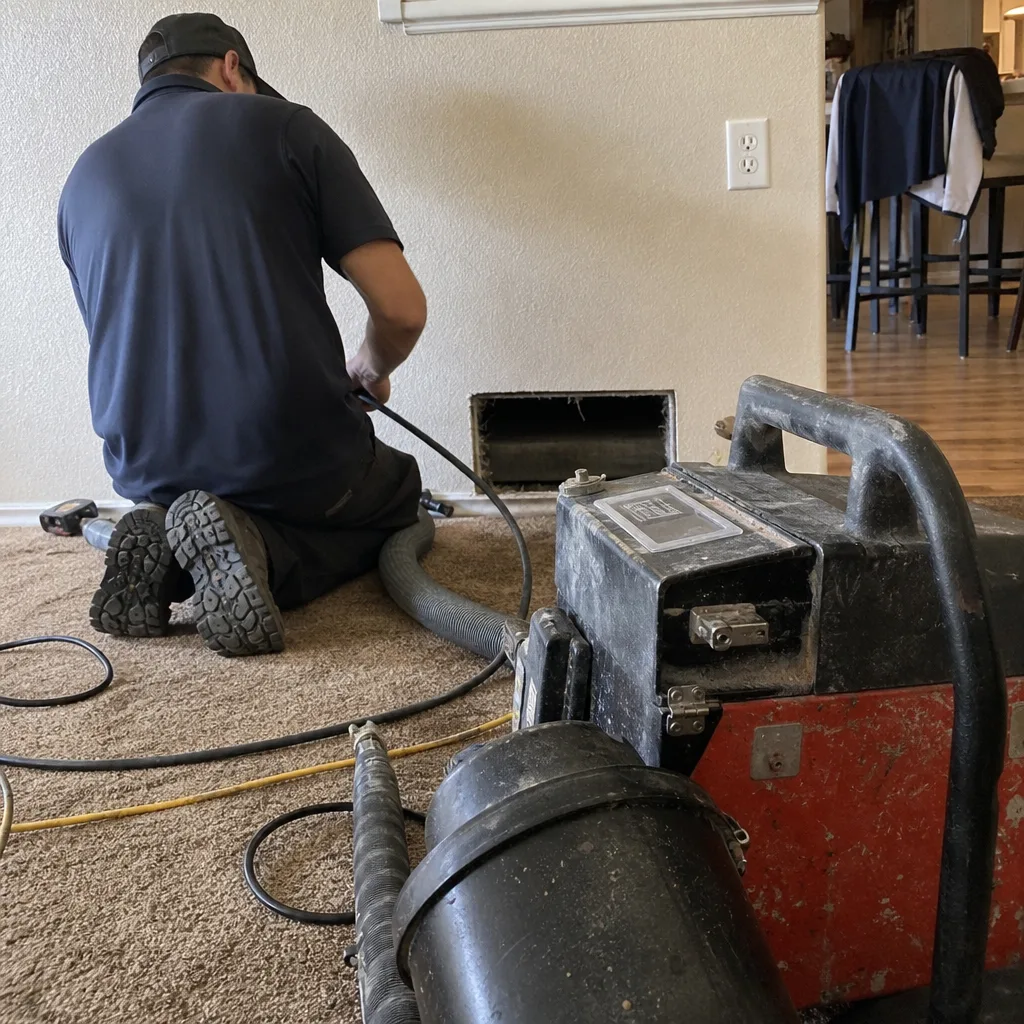 Before
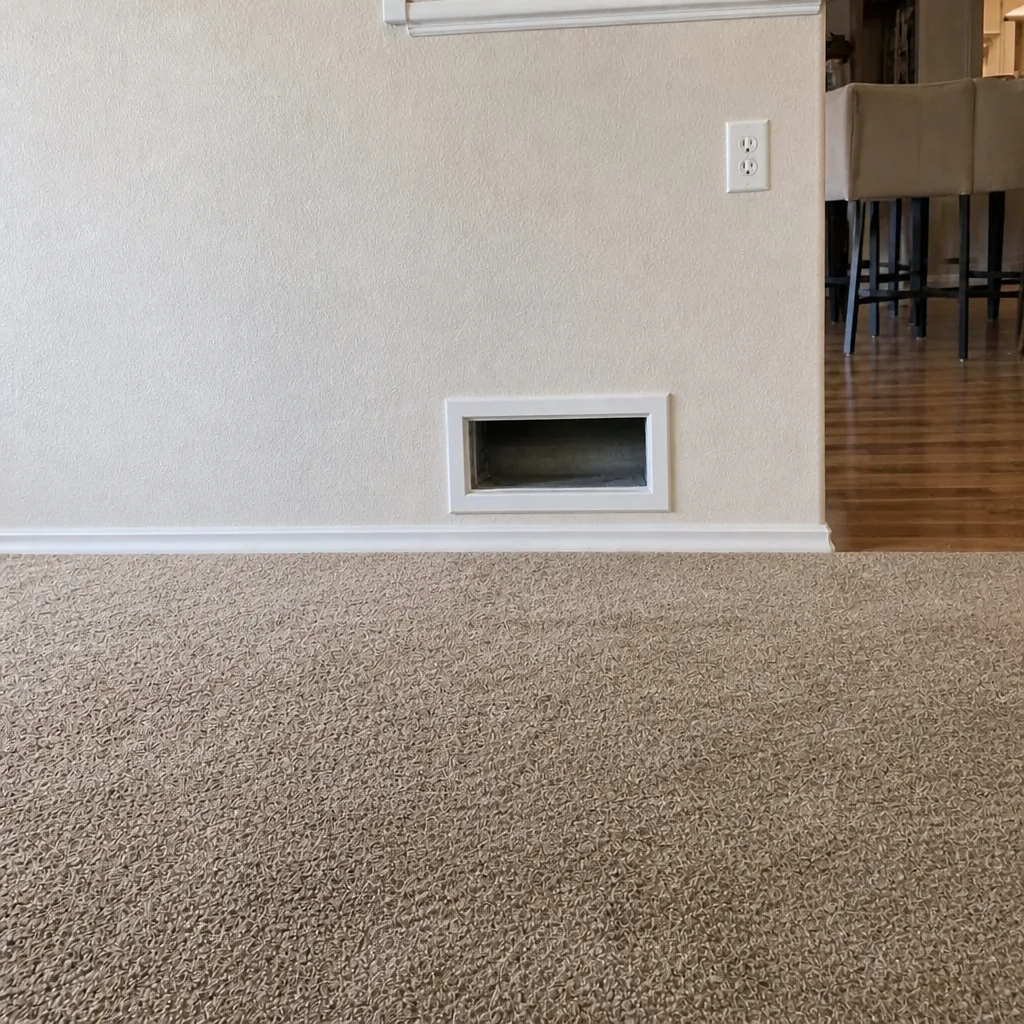 After
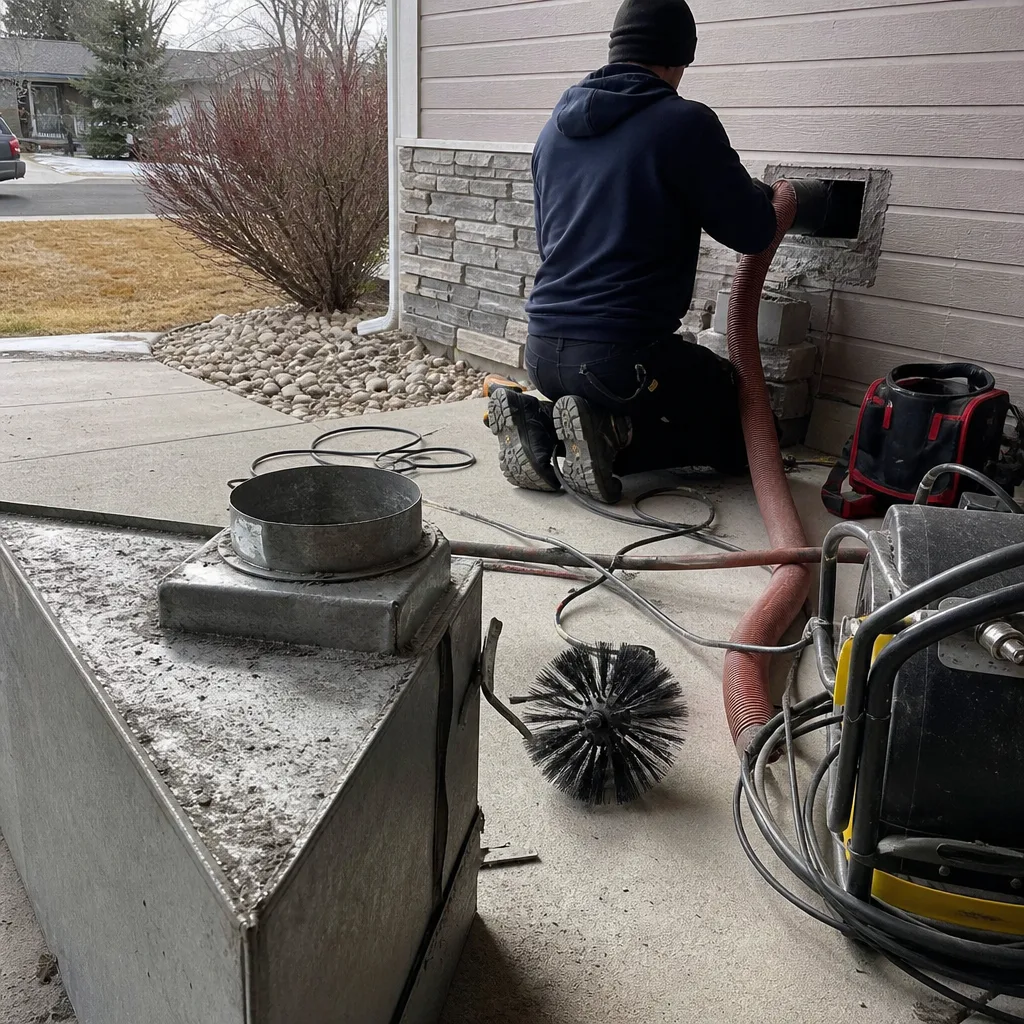 Before
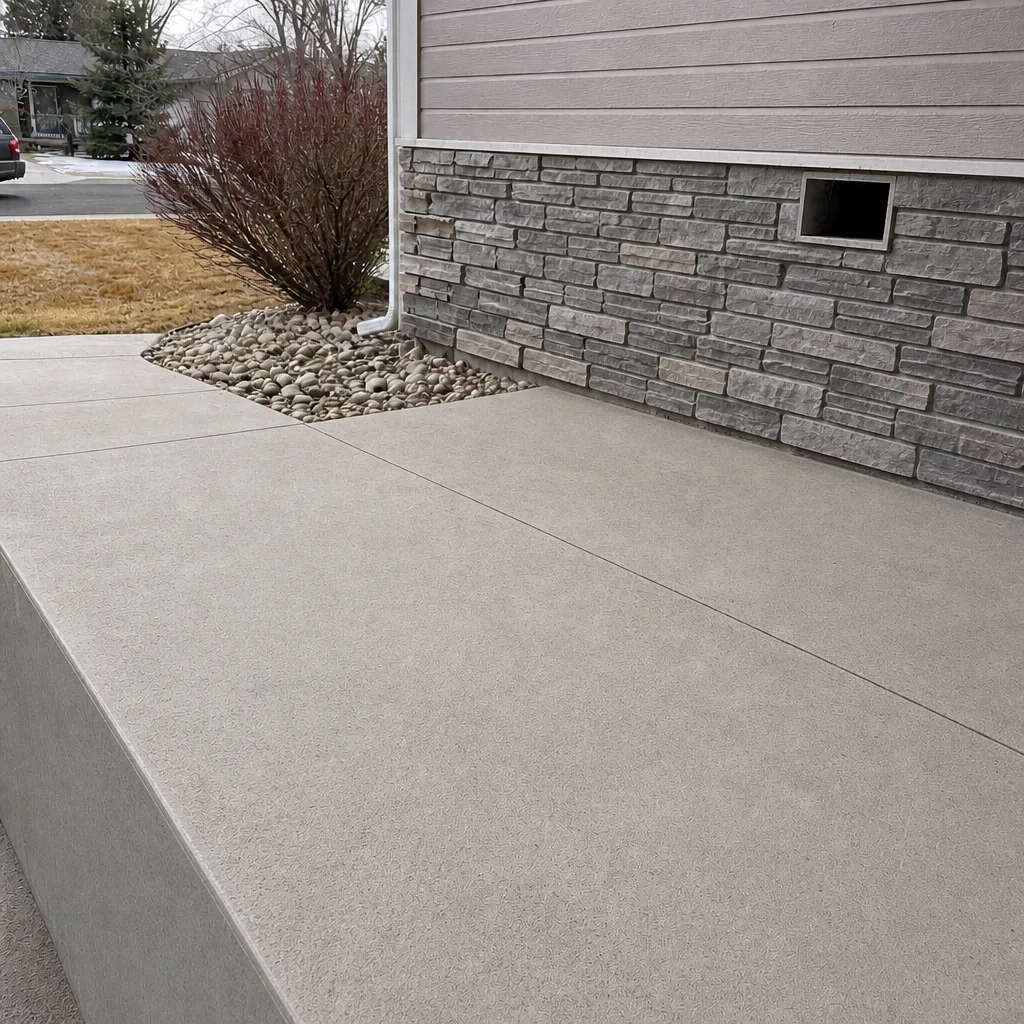 After
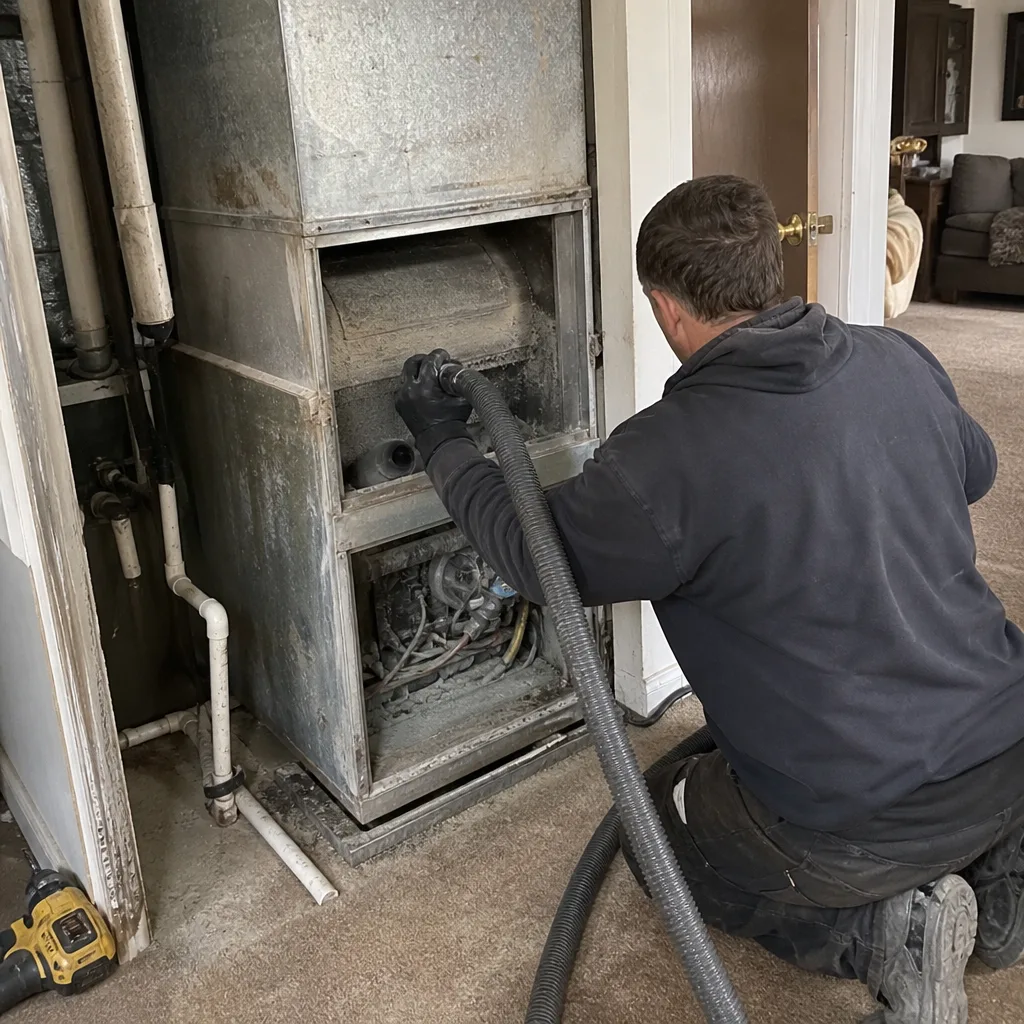 Before
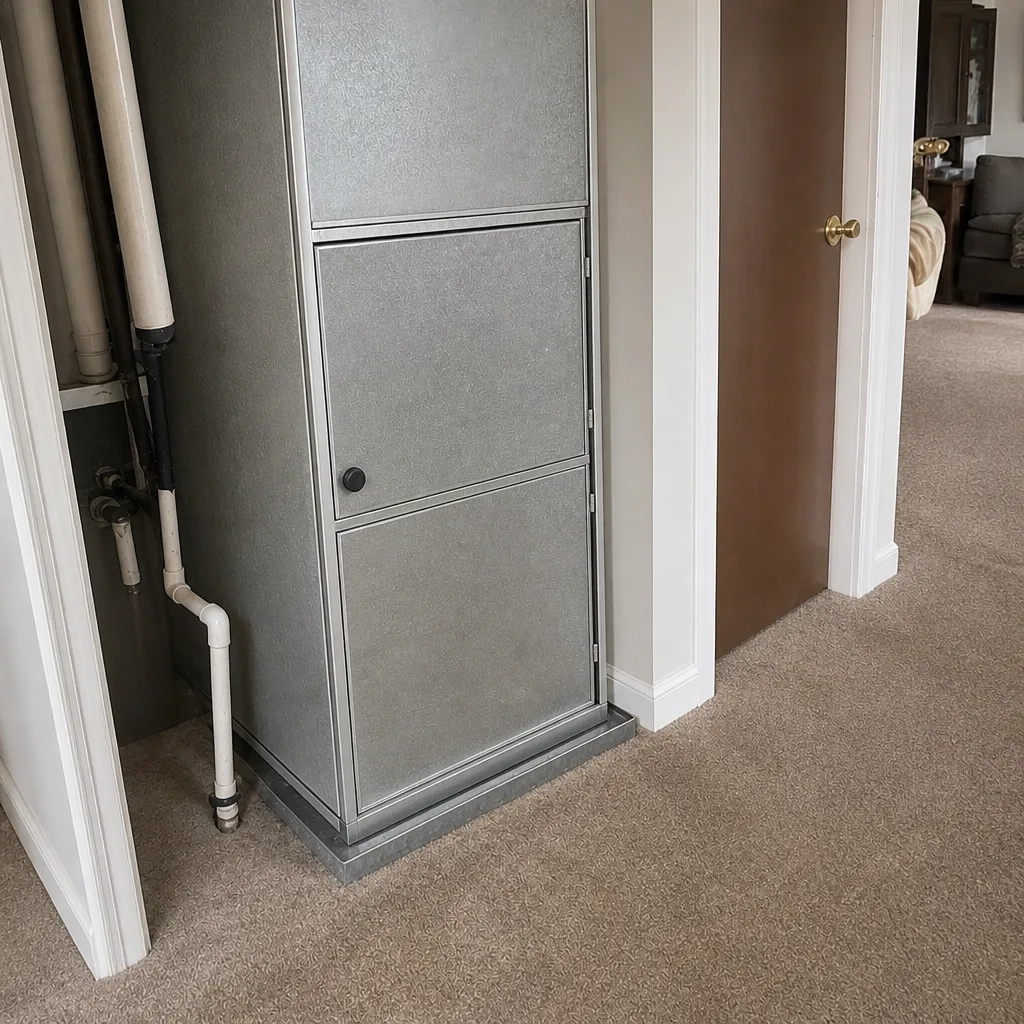 After
When to Call a Professional
Call for professional help if your home took on smoke during a fire event and you can see ash or soot at the registers or on windowsills. Call if water entered a return plenum, crawlspace ductwork or the air handler cabinet, even if it looks dry now. Call if your house had fire damage of any size and the HVAC hasn’t been inspected since. Call if a duct has come disconnected or crushed, or if you notice uneven airflow between rooms after an event. And call if your dryer vent hasn’t been cleaned in a long time, or the dryer takes noticeably longer to dry a load. Duct Cleaning Fort Collins offers free estimates in Fort Collins, and we set one flat price per system, agreed before any work starts, with before-and-after photos of your own ducts. Call (844) 834-5984 to schedule. We answer 24/7. Fast dispatch from 7am to 7pm, Sunday through Friday.
Frequently Asked Questions
Get an inspection within a few weeks of a heavy smoke event, and sooner if you can see ash inside the registers or if the smell lingers. Fine smoke particulate doesn’t settle out on its own timeline. The longer it sits on duct surfaces, the more the odor compounds work into porous materials like gaskets and insulation facing. Call (844) 834-5984 for an exact quote. Estimates are free.
It can, if your return ductwork leaks. A sealed system recirculating is a reasonable strategy. A system pulling return air from a leaky crawlspace or attic chase is drawing smoke in. Set the fan to off during a smoke event and use standalone HEPA air cleaners in the rooms you occupy.
It depends on your policy and how the adjuster categorizes the work, but many Colorado carriers treat duct cleaning after a covered smoke or water loss as part of the remediation. Documentation is what makes the difference. Get an inspection report in writing with photographs and specific descriptions of the affected duct sections. Call us for the inspection and the report.
Mold can begin colonizing wet duct liner and insulation within 48 to 72 hours of the water event. That’s why the correct move is to stop the system, remove standing water, start drying and get the ducts inspected before reactivation. If the ducts sit wet past that window, the liner typically needs removal rather than drying. We use Abatement Technologies containment for wet and mold-affected duct work. Call (844) 834-5984 for a free estimate.
Cleaning removes the particulate that carries most of the odor, and it’s the necessary first step. Residual odor in porous materials may need separate treatment. In our experience, a thorough cleaning with proper containment and HEPA extraction gets most Fort Collins homes back to neutral. Odor that persists after cleaning usually points to something the ducts can’t fix, like smoke in insulation or framing.
Inspection always comes first. Cleaning without inspection leaves you guessing at scope. Inspection, then containment, then cleaning, then system restart, then filtration. Running the HVAC before the ducts are cleared pushes soot into every register in the house. Call (844) 834-5984 to schedule the inspection.
The Bottom Line
Fort Collins homes face three duct-related emergencies with the same root failure: the system gets switched back on before anyone looks inside it. Smoke events, water in return pathways and fire damage all require a fixed sequence. Stop the system, inspect the ducts, contain and clean, then restart. Filtration upgrades come last, once the ducts are clear. Document everything from the first day, because an insurance claim is only as strong as the photos and the contractor report behind it. The whole point of this guide is that correct order matters more than speed. If you’re facing any of these scenarios, get the inspection first. We offer air duct cleaning in Fort Collins with commercial-grade equipment, and we name what’s in your home: Rotobrush, Nikro, Abatement Technologies, and Honeywell and Aprilaire components where they apply. Our technicians have up to 12 years of experience.
Contact
If you’ve had a smoke, water or fire event and you’re not sure what shape your ducts are in, the inspection is the place to start. We’ll look inside the system, show you what we find and give you one flat price per system before any work begins. For a broader look at our services, visit Duct Cleaning Fort Collins, or read more about our Fort Collins service area. Call (844) 834-5984 for a free estimate. We answer 24/7. Fast dispatch from 7am to 7pm, Sunday through Friday.
Written by the team at Duct Cleaning Fort Collins.