
Last updated November 15, 2026
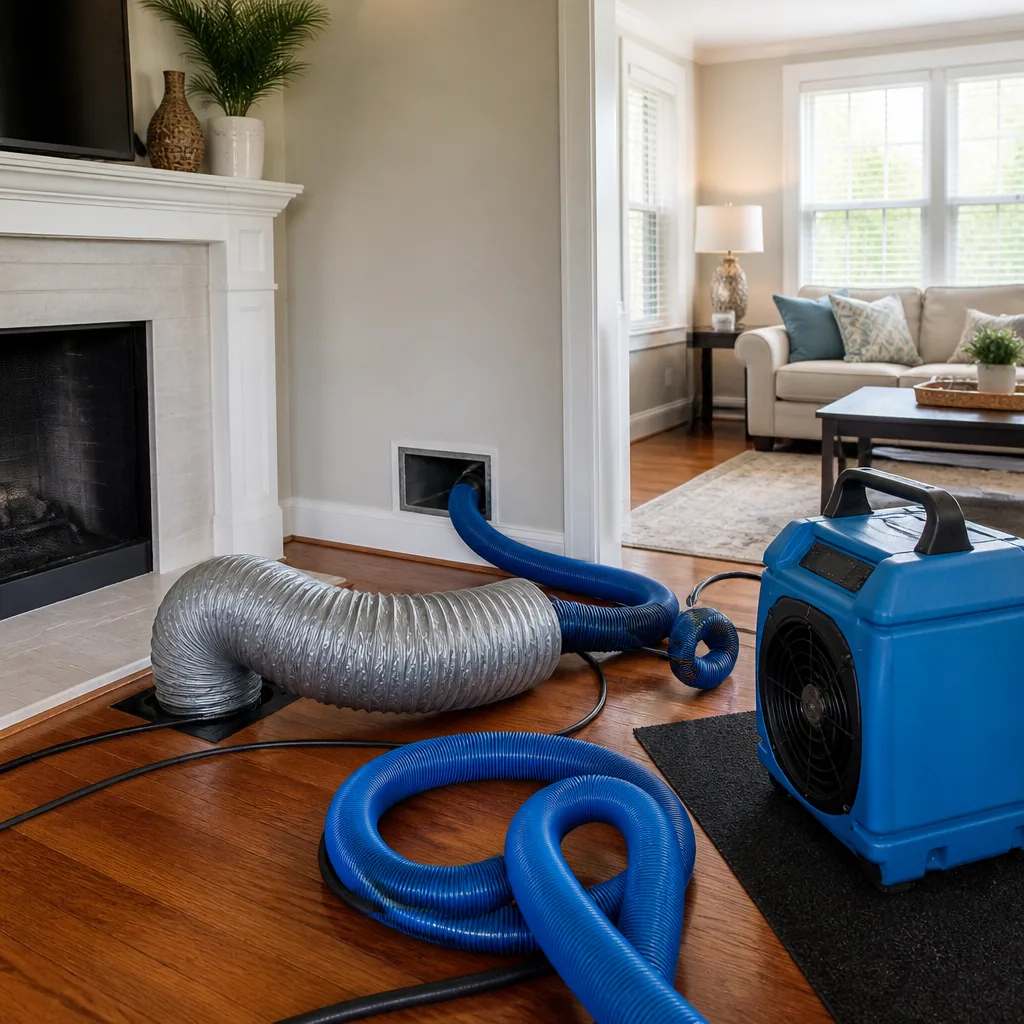 Whole-home duct cleaning
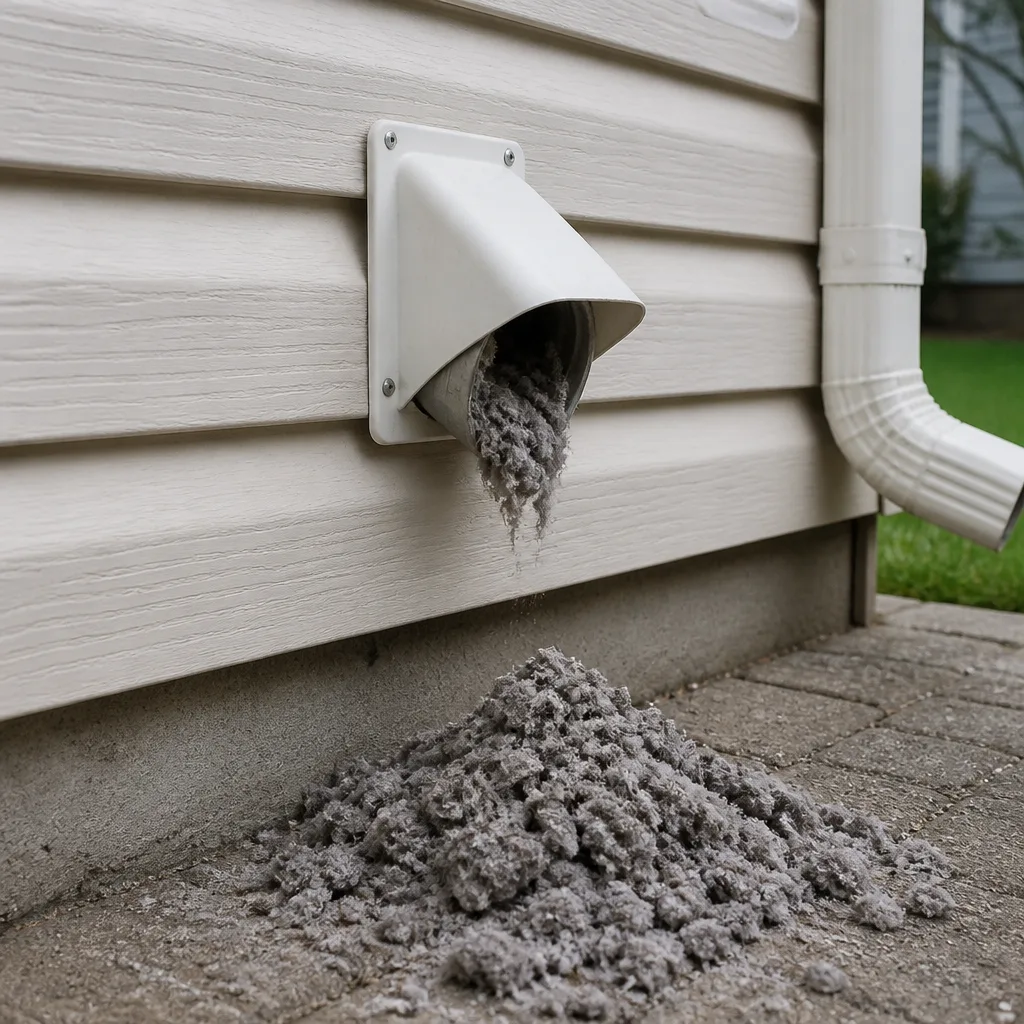 Dryer vent cleaning
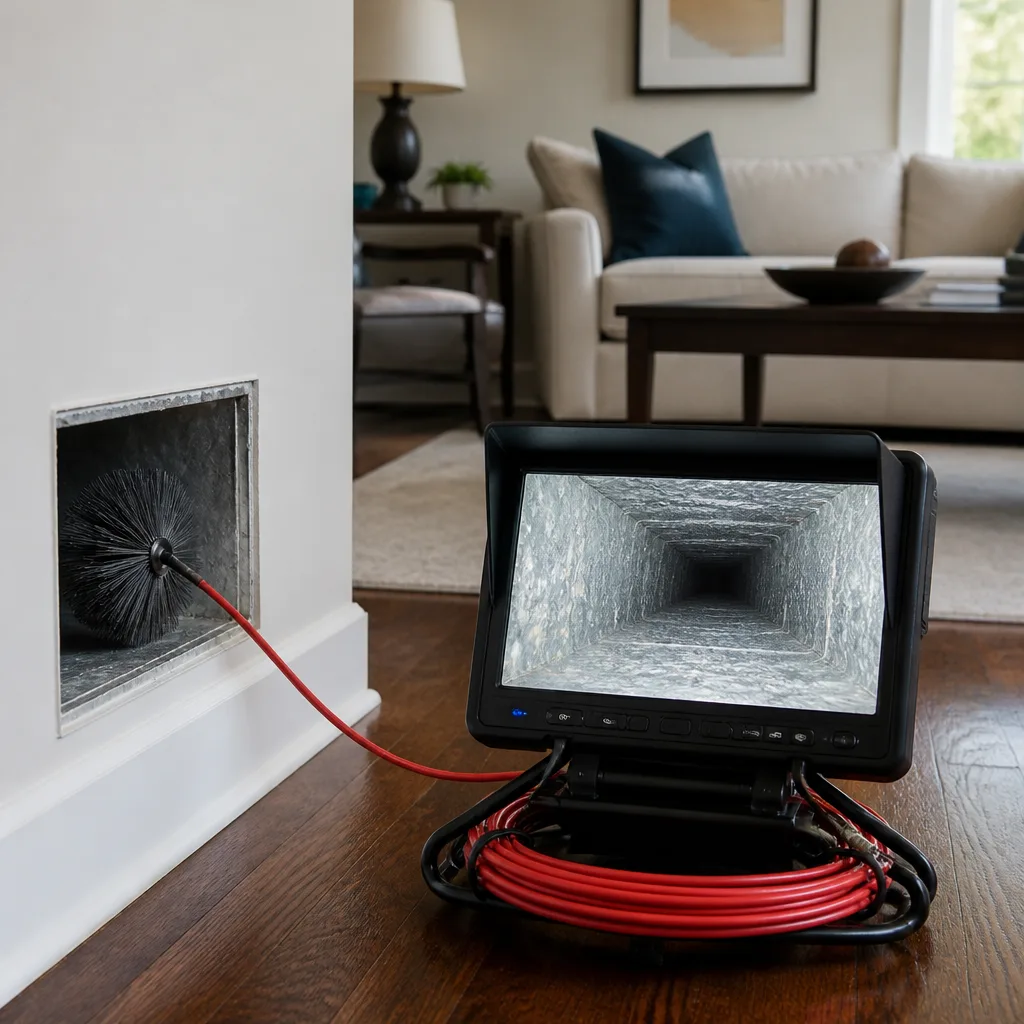 Camera inspection
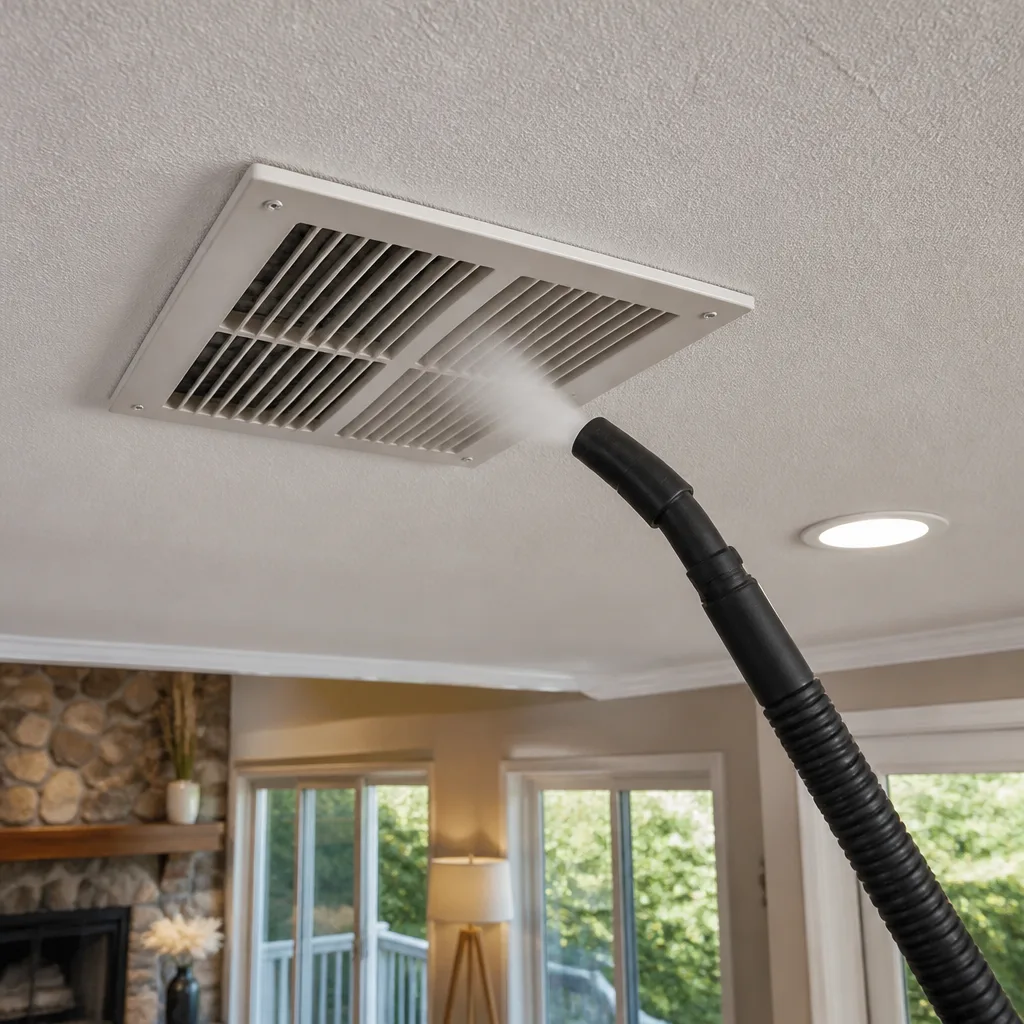 Sanitizing & deodorizing
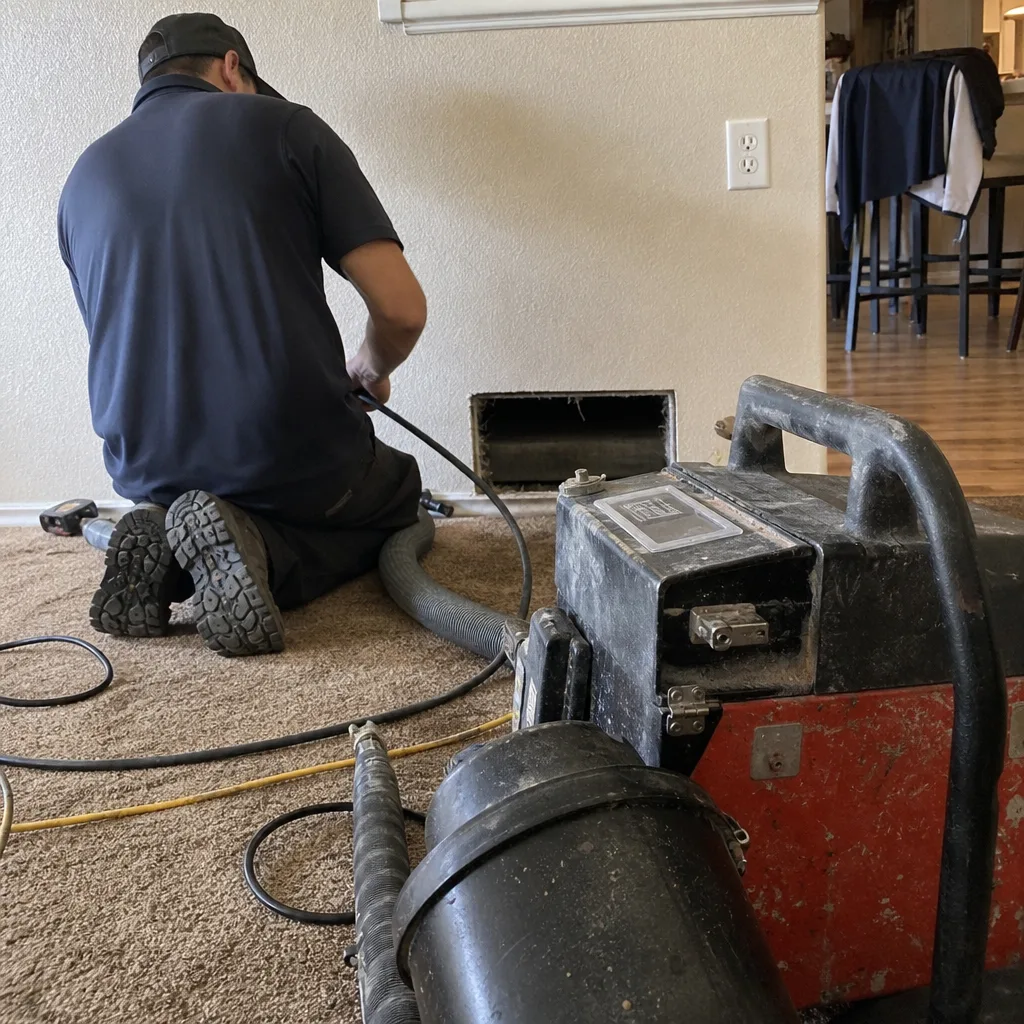
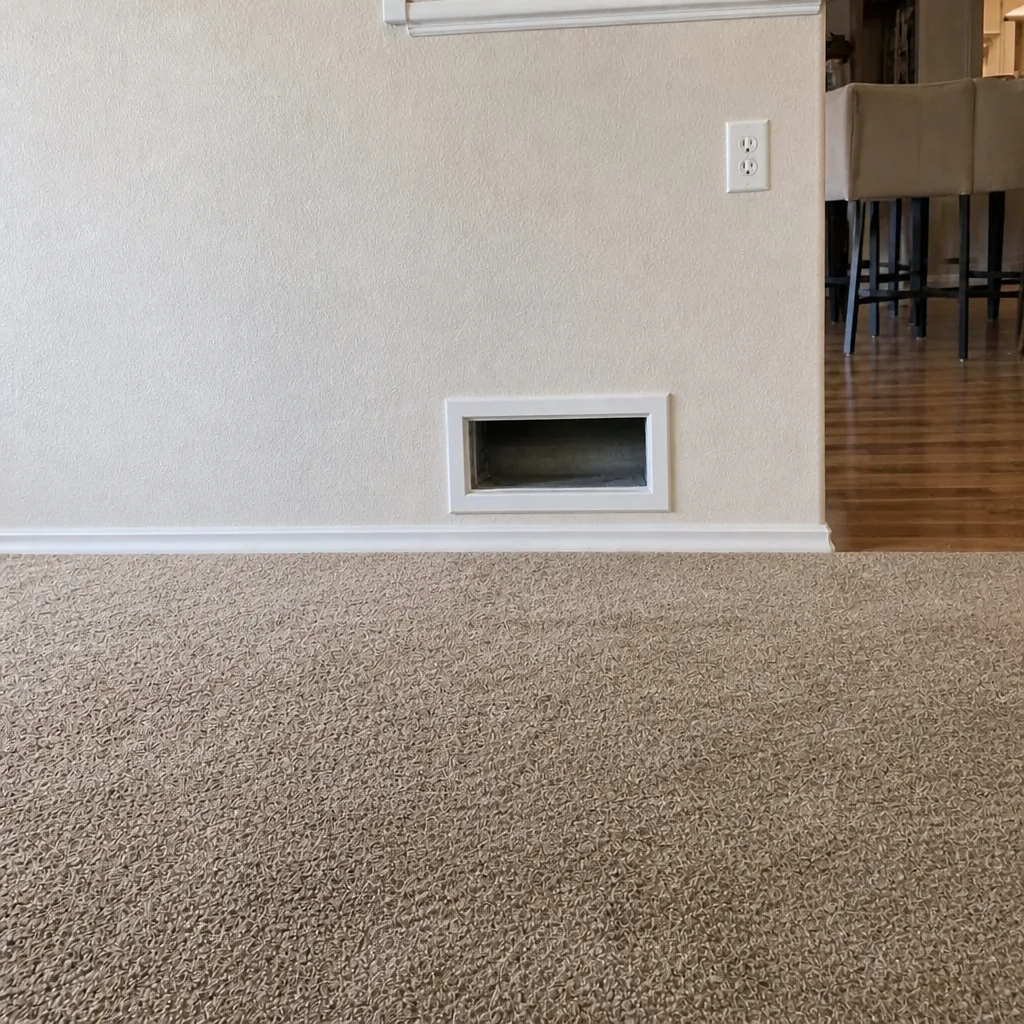
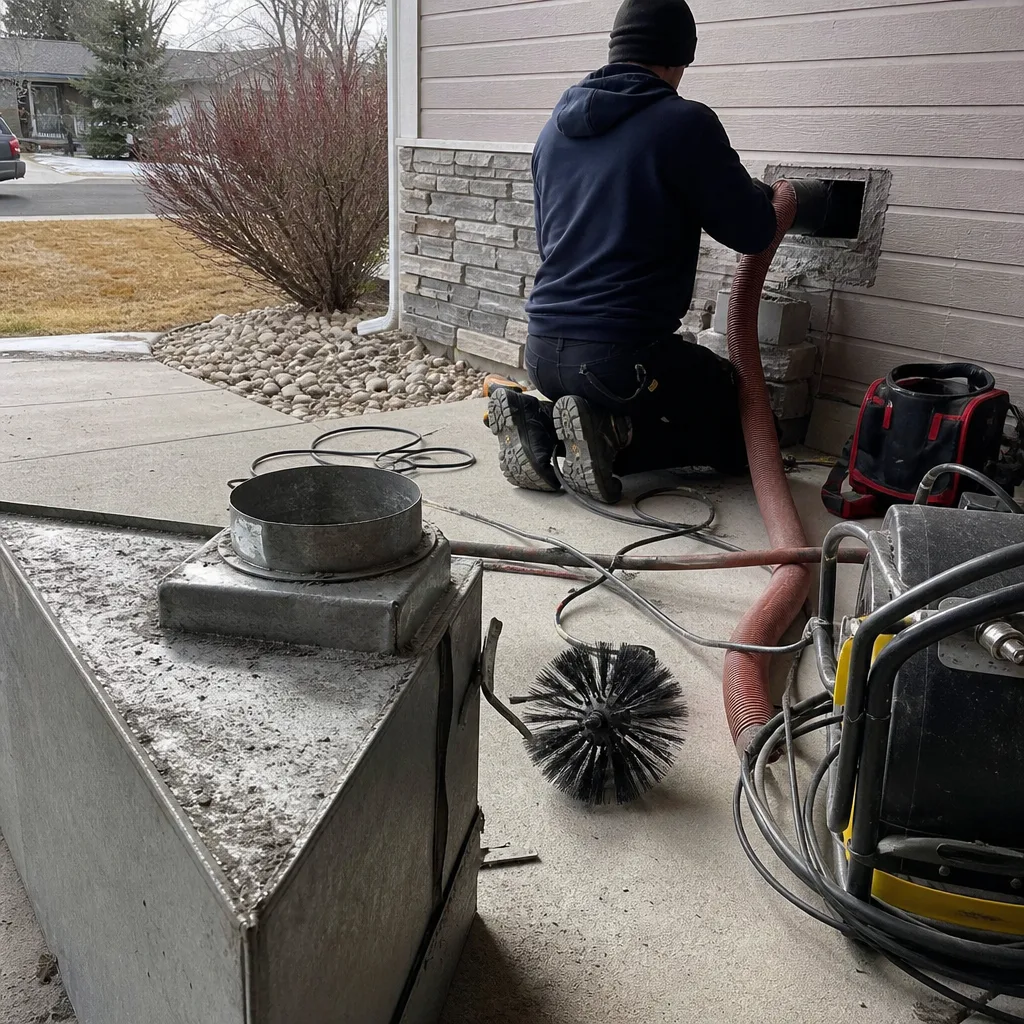
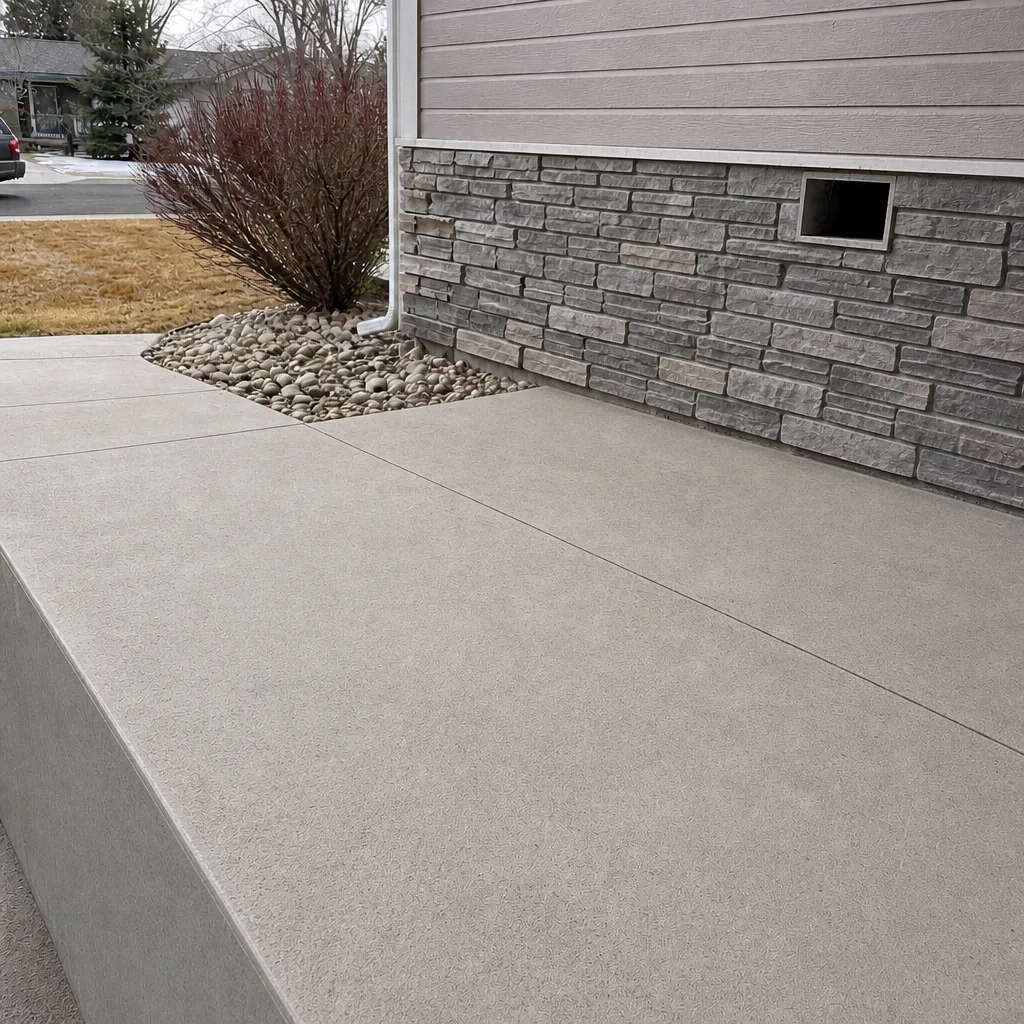
Whole-system duct and dryer vent check with before-and-after photos - you see exactly what came out of your vents
That "$99 whole-house special" is a bait ad - the real number appears once they are in your hallway, or the "clean" is a shop-vac at the register. We photograph the inside of your ducts before and after instead.
Air Duct Cleaning Maintenance Schedule: What to Do and When
The “every three to five years” rule you’ve read a dozen times is a baseline, not a schedule. That number was built around a home with no pets, no recent renovations, standard filtration, and clean outdoor air. Most Fort Collins homes don’t fit that profile. Between Horsetooth smoke drifting over the city in summer, construction dust rolling out of new subdivisions in spring, and the simple fact that a lot of us share our homes with at least one shedding animal, your actual interval is probably shorter than the national average, or longer, depending on your house. This guide gives you a decision framework instead of a number. You’ll learn how to build your own interval, what seasonal events should trigger an inspection, what to check between professional cleanings, and how to keep a maintenance log a technician can actually use.
Quick Answer
Most Fort Collins homes need professional duct cleaning every 2 to 5 years, and the exact interval depends on four variables: pets, occupants with allergies or asthma, your HVAC filter’s MERV rating, and how long it’s been since the last cleaning. Certain events, like a renovation or a heavy wildfire smoke season, should trigger an inspection outside your normal schedule regardless of what the calendar says. Annual filter changes and visual checks between professional visits keep the system from loading up faster than it should.
Styles & brands we work with
- Whole-home duct cleaning
- Dryer vent cleaning
- Camera inspection
- Sanitizing & deodorizing
Table of Contents
- How to Build Your Home’s Cleaning Interval
- Fort Collins Seasonal Triggers for an Inspection
- What to Do Between Professional Cleanings
- Why Renovation Work Is a Mandatory Cleaning Trigger
- What Your Maintenance Log Should Contain
- Filter Grade and How It Changes Your Timeline
- Signs Your Ducts Need Attention Sooner
- Sample Schedules by Home Type
How to Build Your Home’s Cleaning Interval
The national “every three to five years” number assumes a specific house. Yours is not that house. Instead of copying a rule from a national article, work through these four variables to find your real interval.
Pets. One cat or dog that sheds pushes your interval toward the shorter end of the range, usually every 2 to 3 years. Two or more pets, or a breed with a heavy coat, can justify a check every 18 to 24 months. Pet dander and hair move through returns faster than dust alone, and they stick to the inside of duct walls where a filter can’t reach.
Occupants with allergies or asthma. If anyone in the home has respiratory sensitivity, treat the interval as a health input instead of a cosmetic one. Homes like this often benefit from a check every 2 years, and the assessment should include a visual look at the return plenum and the evaporator coil. We’re not doctors and we don’t diagnose anything, but in our experience these homeowners can usually tell the difference in a few weeks.
Filter MERV rating. A higher-MERV filter catches more before it reaches the ducts, which stretches the interval. A low-MERV filter lets more particulate through, which shortens it. We cover this in more detail further down.
Years since last service. If you don’t know, that’s your starting point. A home that’s never been cleaned or hasn’t been touched in a decade starts at the short end of the interval and gets reassessed after the first service.
Use this numbered method to land on your starting point:
- Count the shedding pets. Add 2 years off the top of the range for each one.
- Note any allergy or asthma diagnosis in the household. If yes, skip to a 2-year cycle.
- Look at your furnace filter’s MERV number. Below MERV 8 shortens the interval; above MERV 11 lengthens it.
- Estimate years since the last professional cleaning.
- Write down the answer. That’s your baseline, and you’ll adjust it after every service.
Fort Collins Seasonal Triggers for an Inspection
Fort Collins has three distinct dust and smoke seasons that push particulate into a home’s HVAC system whether or not the calendar says it’s time. Treat each one as a trigger for a visual inspection, and plan your cleaning around the one that hits your house the hardest.
Spring construction season. New subdivisions on the city’s edges put airborne gypsum, sawdust, and insulation fibers into the air between March and June. Homes near active construction often pull a heavier load through their returns during this window. If there’s a build site within a few blocks of your house, a spring inspection is worth the call even if your cleaning isn’t due.
Summer wildfire smoke. When the Cameron Peak and Horsetooth burn scars send smoke over Fort Collins, you probably close the windows and run the AC. That decision pushes smoke particulate through your filter and into the return, which is exactly the path you want, but it also means a summer of heavy filtration loads up the duct system faster. Homes that ran the system hard through a smoke season should treat the fall as an inspection point.
Fall harvest and wind. The agricultural land east of Fort Collins and the open foothills west of it both contribute fine dust when the weather shifts. Combined with the first run of the furnace in October, which blows a season’s worth of settled dust off the heat exchanger, this is when a lot of homeowners start noticing the smell or the sneeze.
Write these three triggers on the inside cover of your maintenance log. When one fires, get an inspection scheduled. It’s a much cheaper decision than waiting a full extra year.
What to Do Between Professional Cleanings
A professional cleaning resets the clock. What you do between visits determines how fast that clock runs. These are the routine tasks a homeowner can handle, in order of importance.
- Check the furnace filter every 30 to 60 days. Hold it up to a light source. If you can’t see through it, replace it. In Fort Collins, filters load faster during construction season and smoke season than they do in the cooler middle months.
- Replace the filter every 60 to 90 days at minimum, or on the manufacturer’s recommended interval if that’s shorter. A clogged filter is the single fastest way to shorten your duct cleaning interval.
- Inspect the supply registers every quarter. Unscrew one or two and look inside with a flashlight. Streaks of black dust on the boot, or a visible film on the register fins, is a sign the system is loading up faster than expected.
- Do a visual check of the evaporator coil once a year, usually before cooling season. It sits on the indoor unit and you can peer at it through the access panel. If it looks matted with dust, cleaning it will do more for your airflow than cleaning the ducts will.
- Keep the return grilles clear of furniture and rugs so the system can pull air at the designed rate.
- Log each of these in a maintenance notebook with a date. This is the record a technician uses to understand your load history.
None of that requires taking anything apart or getting near the blower. If any task would require opening the air handler or working near electrical components, hand it off. Those are technician tasks.
Why Renovation Work Is a Mandatory Cleaning Trigger
If you’ve had drywall dust inside your house, your ducts already have it too. That’s not a scare line, it’s how the system works: the return air path pulls fine particulate from the living space into the ducts as part of normal operation. Drywall dust is especially problematic because it’s fine, abrasive, and settles into duct corrugations where a vacuum can’t easily reach it. The same is true of fiberglass insulation fibers and sawdust from flooring work.
A renovation resets your cleaning interval no matter where you were on the calendar. Even a modest project like a bathroom remodel or a flooring swap produces enough dust to fill the returns. The general rule:
- Any project involving drywall, insulation, or flooring: schedule duct cleaning within 30 to 60 days of final cleanup.
- Whole-home renovation or addition: cleaning as soon as the dust has settled, before you move furniture back into the affected rooms.
- Kitchen remodel without drywall: still worth an inspection, because cabinets and tile work generate their own dust.
Waiting is a filtration mistake. Every year you postpone, the dust bonds to the duct wall a bit harder, and the system pushes it back into your living space every time the fan runs. A pre-reno check and a post-reno cleaning also let you keep the contractor accountable, since you can compare before-and-after photos of the duct interiors. That’s the reason we take photos on every job, not just the big ones.
When it’s time to schedule, our air duct cleaning work includes a documented inspection with photos so you can see exactly what came out of your system.
What Your Maintenance Log Should Contain
A maintenance log isn’t for you, it’s for the next person who works on your system. A technician opening a log with dates and prior filter changes can make a better call than one arriving to a house with no history. Here’s what actually helps.
- Date and type of every professional service. Cleaning, repair, dryer vent service, anything that touched the duct system.
- Filter brand, MERV rating, and change dates. A running list of what you’ve used is more useful than the current one alone, because it shows how filtration has changed over time.
- Any renovation or dust-generating work performed on the house. Include rough dates, even if you’re not precise.
- Pets in the household and when they joined. A dog adopted in 2022 changes the interval for everything after.
- Incidents or observations. That summer you ran the AC hard through a smoke event. That fall when you noticed the register streak. That winter when the airflow felt weak in a bedroom.
- Before-and-after photos if a service provides them. Your log holds two or three key images so you can compare later.
Keep the log inside the air handler closet or the furnace room, not in a drawer. A technician working in the system has to be able to find it. We use Rotobrush and Abatement Technologies equipment on our jobs because both give us a documented before-and-after view, and the log becomes the summary that lets us assess load history instead of guessing. Call Duct Cleaning Fort Collins if you want a fresh baseline to start your log from.
Filter Grade and How It Changes Your Timeline
Your filter is the single variable that most affects how fast your ducts load up. The MERV (Minimum Efficiency Reporting Value) number tells you roughly what particle size range the filter catches. Here’s what we see most often in Fort Collins homes, and how each grade shifts your cleaning interval.
- MERV 6 to 7 (basic fiberglass or low-cost pleated). Low cost and low resistance, but they catch very little. Homes running this grade usually need duct cleaning on the shorter end of the range, often every 2 years.
- MERV 8 to 11 (standard pleated filters). The sweet spot for most residential systems. Catches visible dust, pollen, and pet hair. Cleaning interval lands closer to every 3 to 4 years.
- MERV 13 and higher. Catches fine particulate and some smoke, but adds air resistance. Good for allergy-sensitive households during smoke season. Cleaning interval can stretch to 4 to 5 years, but the filter needs changing more often because it loads faster. If your system isn’t sized for the extra static pressure, a high-MERV filter can actually reduce airflow and cause its own problems.
If you’re considering a whole-home filtration upgrade rather than a filter change, Honeywell and Aprilaire components are the two systems we stock and service. Both brands give you a known, verifiable spec instead of a vague “whole-home purification” claim, and both integrate with the duct system you already have. That’s an indoor air quality decision, not a duct cleaning one, but the two normally come up in the same conversation.
A filter alone can’t clean the duct walls. Whatever grade you run, the duct interior still accumulates particulate over time, and the cleaning interval is set by that accumulation, not by the filter’s grade.
Signs Your Ducts Need Attention Sooner
Some signals are obvious. Others are the kind of thing you’d notice walking past a register on a normal day, if you knew what to look for. Here’s the short list of what should trigger a call regardless of where you are on the calendar.
- Streaks of black dust around the register edges or on the surrounding drywall. This usually means the boot is loading and the system is pushing dust out at the register.
- A musty or dusty smell that appears when the system starts. Often it’s the first sign that the return path or the coil area is carrying something it shouldn’t.
- Visible dust inside the return grille. Peer inside with a flashlight when you change the filter. A uniform film is normal; caked dust or visible debris is not.
- Weak airflow in one or two rooms while others are fine. This signals a compromised or disconnected duct run. Cleaning won’t fix that, but a duct repair will. Because we offer air duct repair as its own service, we can diagnose the actual issue instead of cleaning around it.
- Recent pest activity or a rodent sighting in the basement or crawlspace. Ductwork is a path. Get the system inspected.
- Water intrusion or a stained ceiling near a duct run. Moisture in ductwork is an indoor air quality concern, and it needs attention faster than a routine cleaning.
Two of these (mold, moisture, or pest intrusion) are the cases where our Abatement Technologies equipment matters most. Those are remediation-grade containment tools, and we use them because a surface-level vacuum won’t handle a contaminated system safely. For those calls, we recommend a professional.
Sample Schedules by Home Type
If you’d rather start from an example than build from scratch, these are the four common profiles we see across Fort Collins and how they play out on the calendar.
Newer home with no pets, no allergies, MERV 8 filter. A baseline every 4 years works fine. Add a spring inspection during construction season if there’s building activity nearby, and log the filter changes every 90 days. This is the profile closest to the national average, and it’s the one where the “three to five years” number actually holds.
Home with two dogs and a MERV 8 filter. Cleaning every 2 to 3 years. Filter checks every 30 days in shedding season, changes every 60 to 90 days. Fall inspection after smoke season is a good habit.
Home with a household member who has asthma or allergies, MERV 13 filter. Cleaning every 2 years. Filter changes every 60 to 90 days, and a visual check of the coil before cooling season. Duct cleaning is paired with routine maintenance on Honeywell or Aprilaire filtration equipment.
Older home, unknown service history, or recent renovation. Start with a cleaning and inspection right away to establish a baseline. From there, follow the log for the next interval, usually 2 to 3 years depending on pets and filter grade.
Our technicians have up to 12 years of experience reading homes like these, and we bring specific tool brands to every one of them, not a shop-vac and a guess. If you call, we’ll ask about the four variables above before we book anything. That gives us a real schedule, not a guess.
Common Mistakes to Avoid
- Following the national interval without checking your own variables. The “every three to five years” number assumes a house without pets, allergies, or recent renovations. Most Fort Collins homes have at least one, which puts them shorter than the baseline.
- Running a high-MERV filter in an older system without checking static pressure. A MERV 13 filter in a system sized for MERV 8 can reduce airflow and cause its own dust problems. Match the filter to the system, not to the marketing on the box.
- Skipping the post-renovation cleaning. Drywall dust that settles into the ducts comes back out every time the fan runs. Waiting only makes it harder to remove.
- Cleaning the ducts without a before-and-after look at the interior. Ask for photos. The number of duct cleaners who skip photos in Fort Collins is high enough that it’s the first question we’d ask another company.
- Assuming a cleaning fixes weak airflow. If one room is starved for air, the problem is usually a disconnected or crushed duct, not a dirty one. Cleaning won’t fix a structural problem, which is why Fort Collins homeowners should ask whether duct repair is part of the service before they book.
- Ignoring dryer vent maintenance entirely. Dryer vents are a leading cause of residential fires and they need cleaning on their own schedule, usually once a year for a standard household. It’s a separate system from your HVAC ducts and it’s often overlooked.
- Keeping no maintenance log. The next technician has to guess without one, and the guess is usually “clean more often than necessary” or “leave it another year.” Neither is right.
See the difference
 Before
 After
 Before
 After
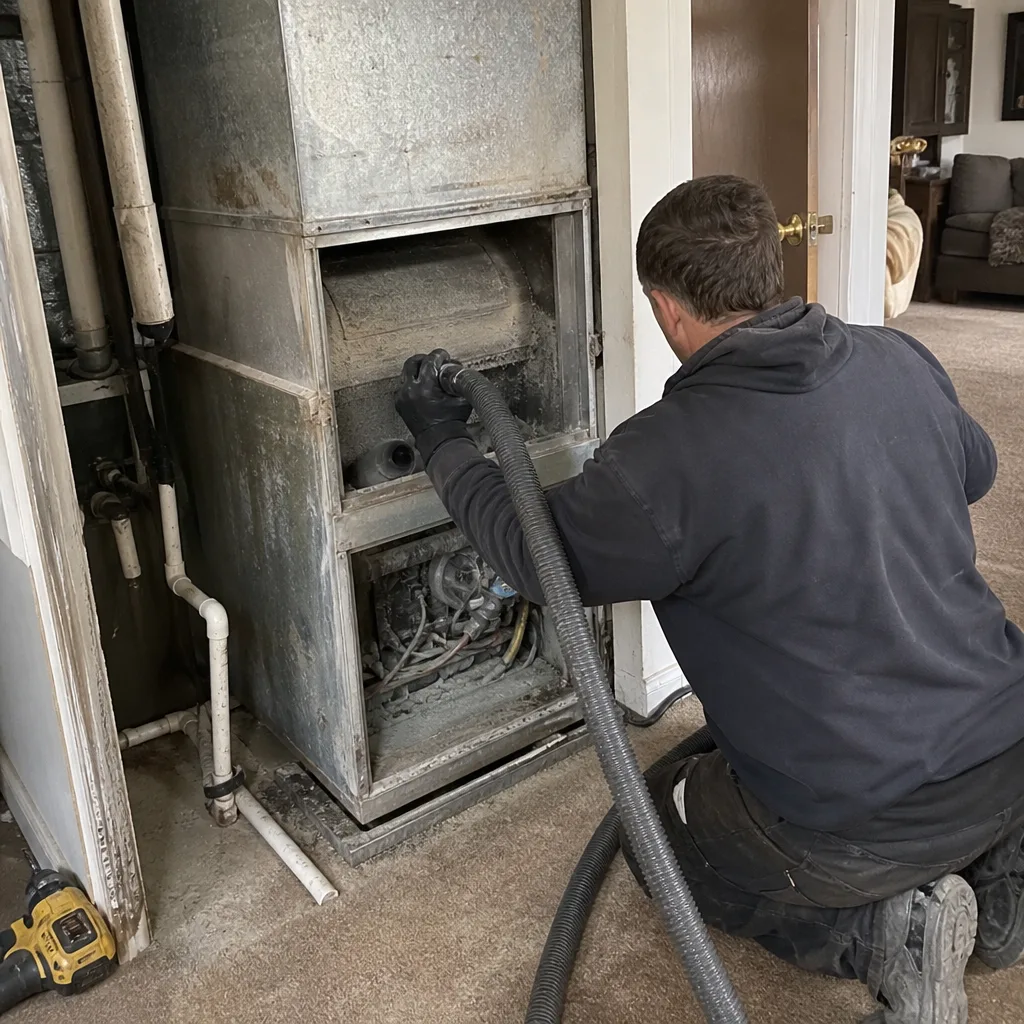 Before
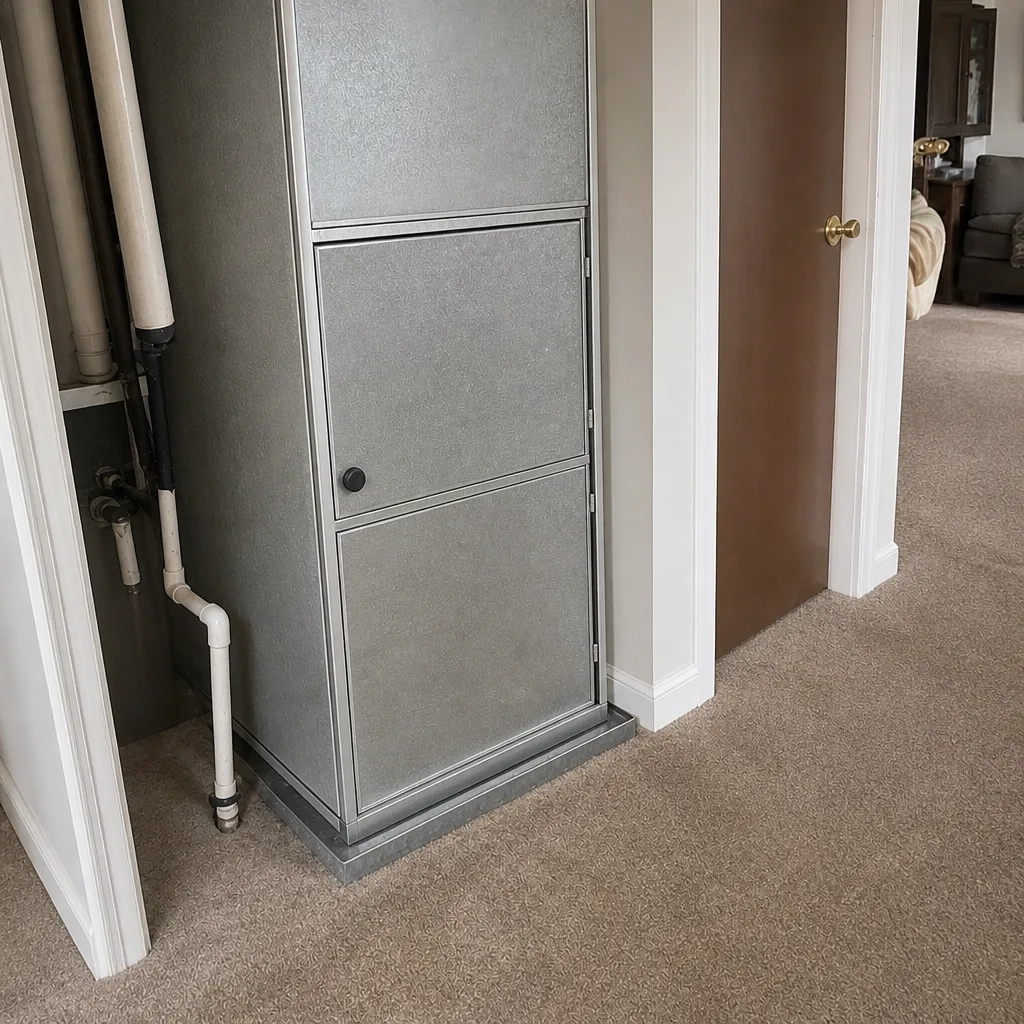 After
When to Call a Professional
Call a professional when the sign you’re looking at exceeds what a filter change can fix. If you see caked dust in a return, smell something musty when the fan starts, notice a room with weak airflow, or have just finished a renovation, that’s a call. Same if it’s been more than 5 years with no service, or if someone in the house has respiratory sensitivity and you’re not sure where the ducts stand. For the raw exhaust side, dryer vent cleaning is a separate service and you should book it on its own annual schedule. Duct Cleaning Fort Collins offers free estimates in Fort Collins. Call (844) 834-5984. We answer 24/7. Fast dispatch from 7am to 7pm, Sunday through Friday.
Frequently Asked Questions
Most Fort Collins homes should be cleaned every 2 to 5 years depending on pets, allergies, filter grade, and prior service history. Homes with pets or allergy-sensitive occupants often land at every 2 years, while homes without either and with regular filter changes can stretch closer to the 4 or 5 year mark. The written estimate is what sets the actual price and scope. Call (844) 834-5984 for an exact quote, and estimates are free.
Not always right away, but a smoke-heavy summer is a good reason to get an inspection before your schedule says to. Your filter catches a lot of the smoke particulate, and whatever gets past it loads into the ducts and the coil. If you ran your system hard through a smoke event and the filter looked grey or clogged at the end of it, an inspection is worth the call. Call (844) 834-5984 for an exact quote.
MERV 8 to 11 works well for most homes in this area and won’t add too much resistance to a standard residential system. MERV 13 and higher is fine for allergy-sensitive households if the system is sized for it, but check static pressure with a technician before upgrading. A filter that’s too restrictive reduces airflow more than it helps. Call (844) 834-5984 to talk through your system.
Yes, in almost every case. Covering vents reduces how much dust enters the ducts, but the system still pulls air from the house during and after the project, and fine particulate finds its way in anyway. Drywall dust and insulation fibers are small enough to bypass most covers. A short inspection after final cleanup tells you whether a full cleaning is warranted. Call (844) 834-5984 for a free estimate.
Ask for before-and-after photos of the duct interiors, taken during the service. That’s the standard we hold ourselves to with Rotobrush and Abatement Technologies equipment, and it’s the question we’d ask any company before booking. A company that won’t show photos of the actual ductwork should be treated with caution. Call (844) 834-5984 for an exact quote.
The cheapest quotes usually cover a single pass with a shop-vac style tool, not the multi-step process a proper cleaning requires. A real cleaning involves agitation of the duct walls, HEPA containment, and documented inspection, which is why the honest range is higher. If a quote sounds like a coupon, that’s usually what it is. Call (844) 834-5984 for an exact quote, and remember estimates are free.
The Bottom Line
Your ducts don’t have a fixed life schedule. They have a load history. The four variables, pets, allergies, filter grade, and time since last service, set your baseline. The seasonal triggers, spring construction, summer smoke, and fall harvest dust, tell you when to check in between. And the maintenance log turns all of that into a record the next technician can actually use. Skip the national average and build something that fits your home in Fort Collins. You’ll get longer life out of your system and a much clearer answer the next time someone asks how often your ducts should be cleaned. Call Duct Cleaning Fort Collins at (844) 834-5984 to set up a free estimate.
Written by the team at Duct Cleaning Fort Collins.