
Last updated November 15, 2026
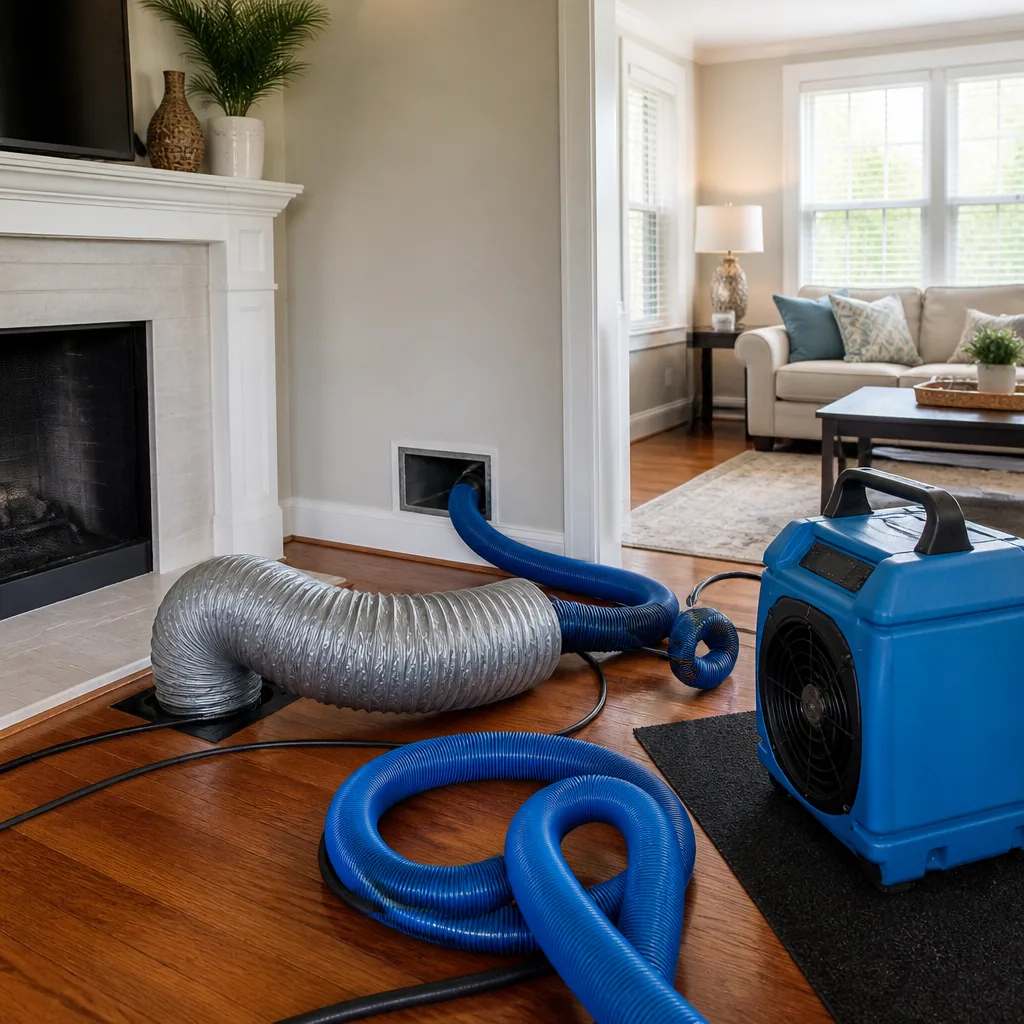 Whole-home duct cleaning
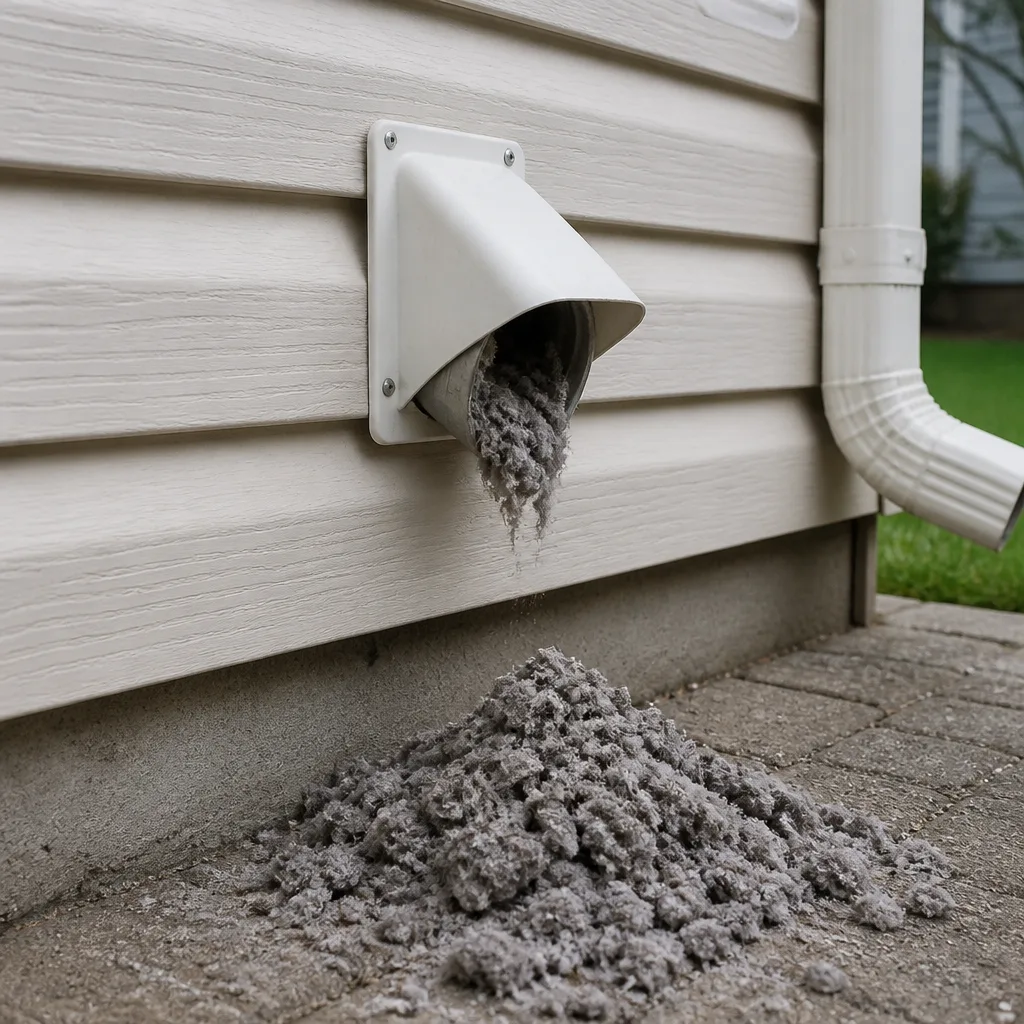 Dryer vent cleaning
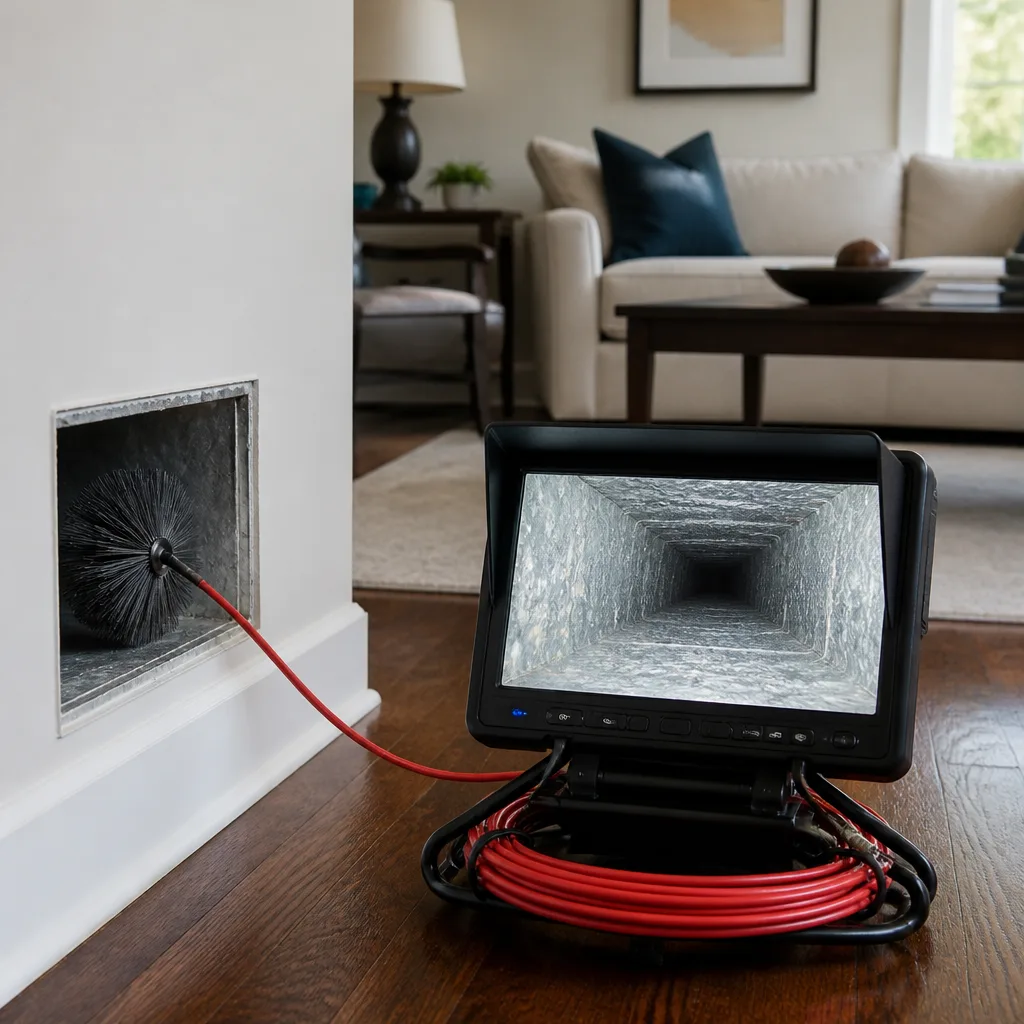 Camera inspection
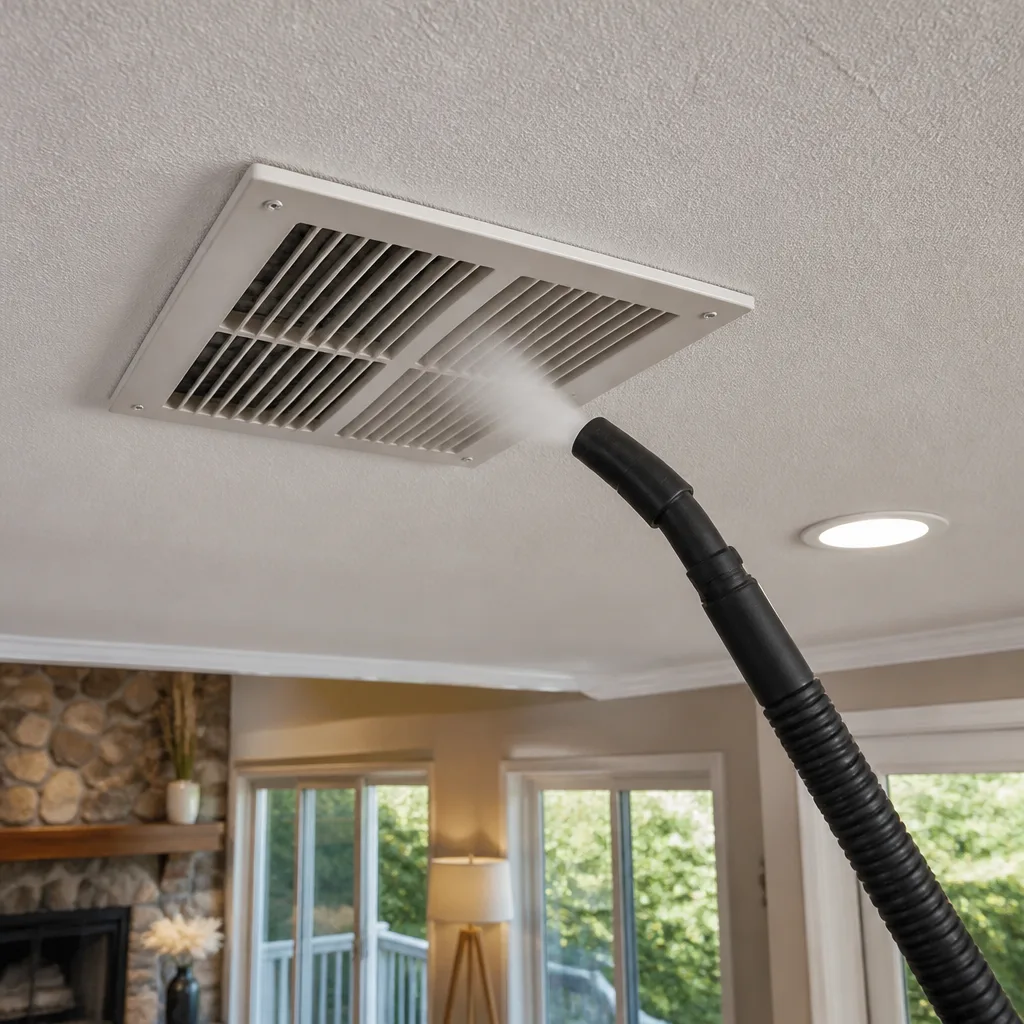 Sanitizing & deodorizing
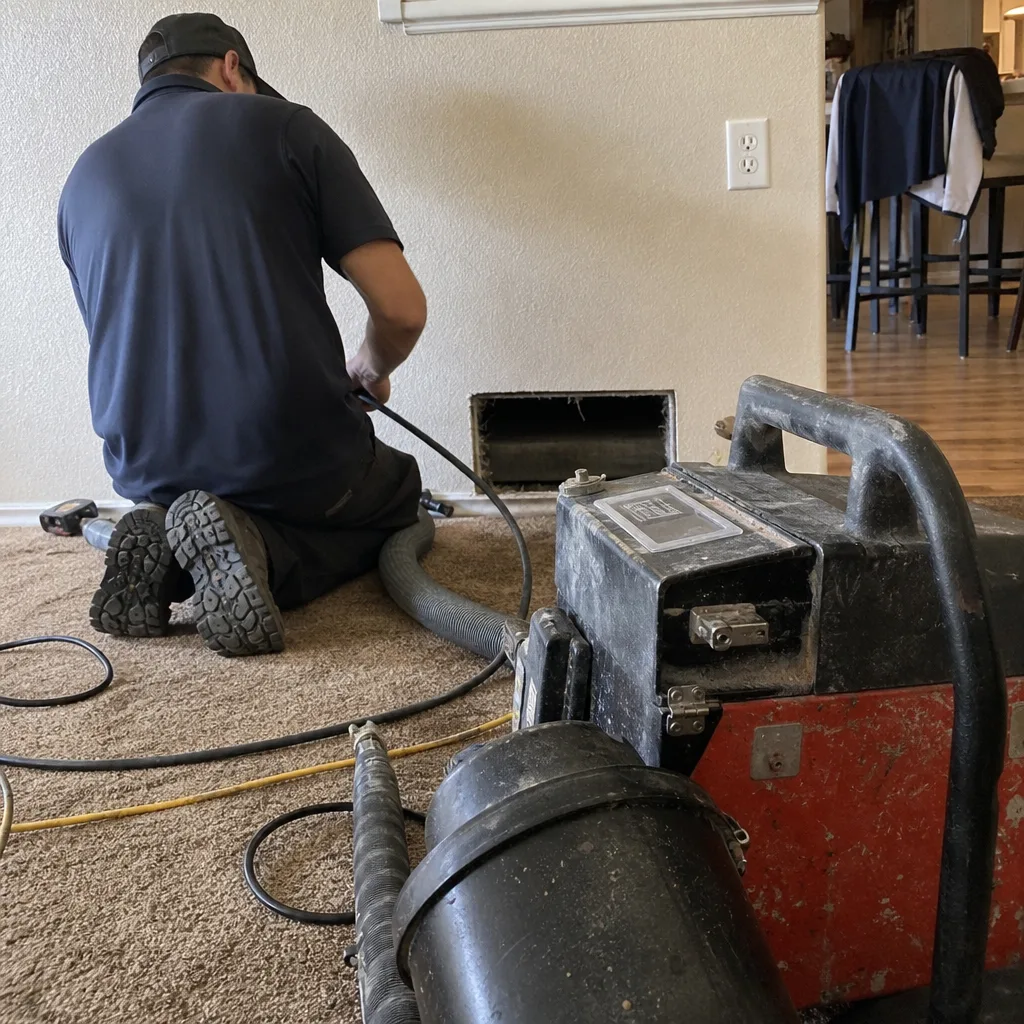
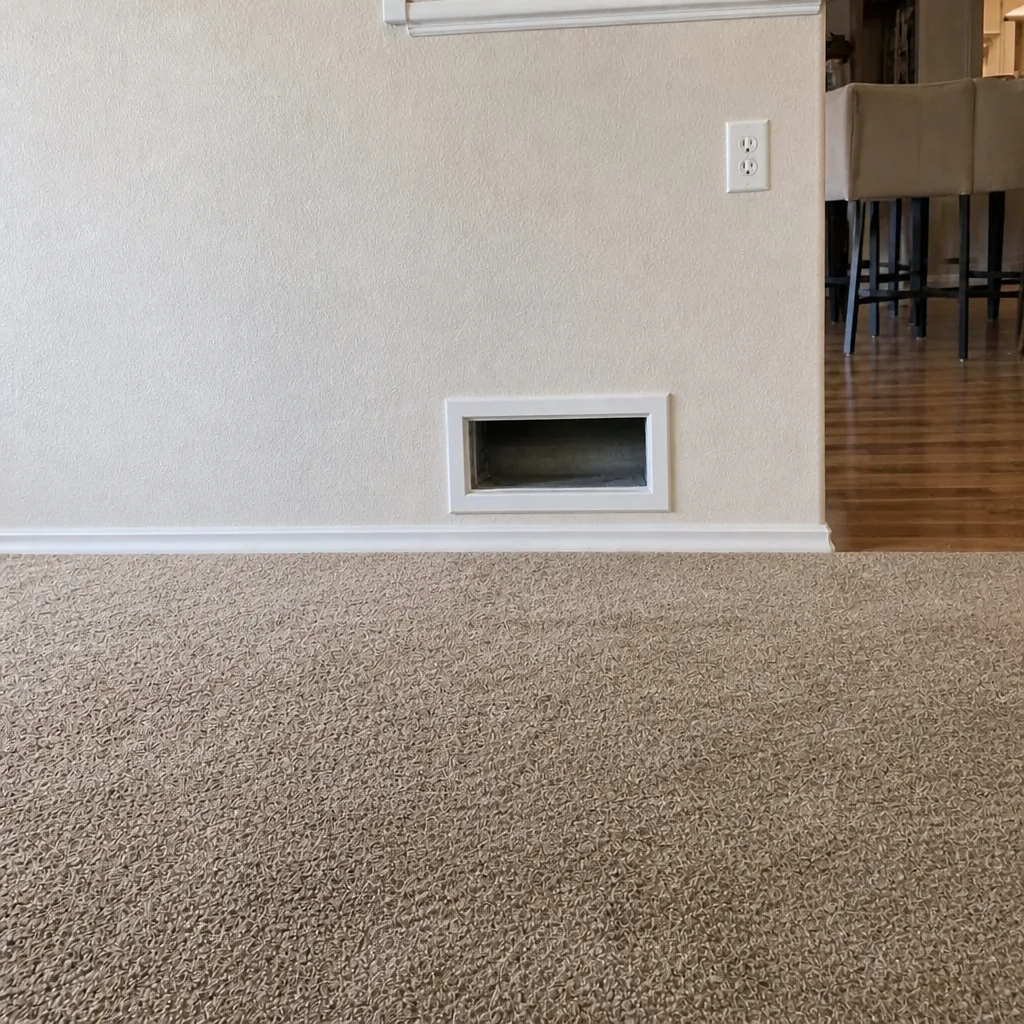
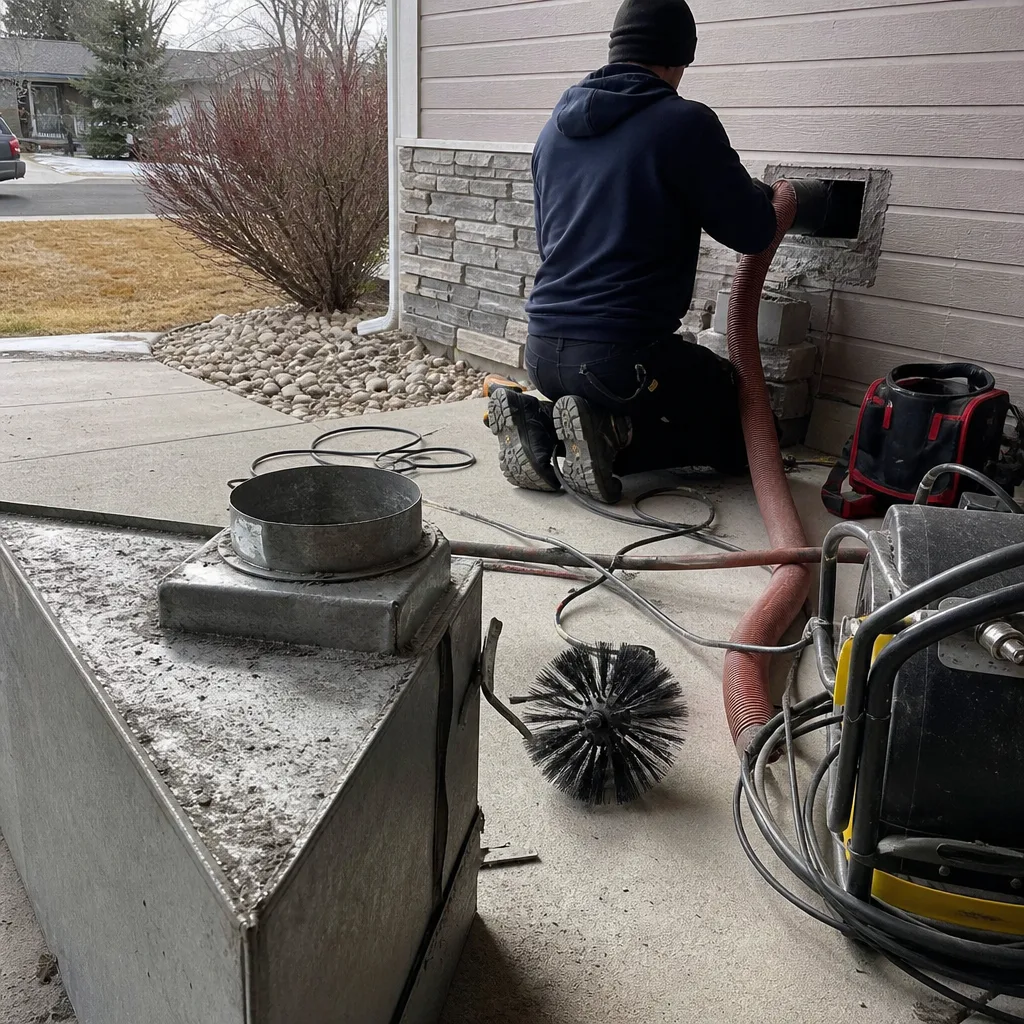
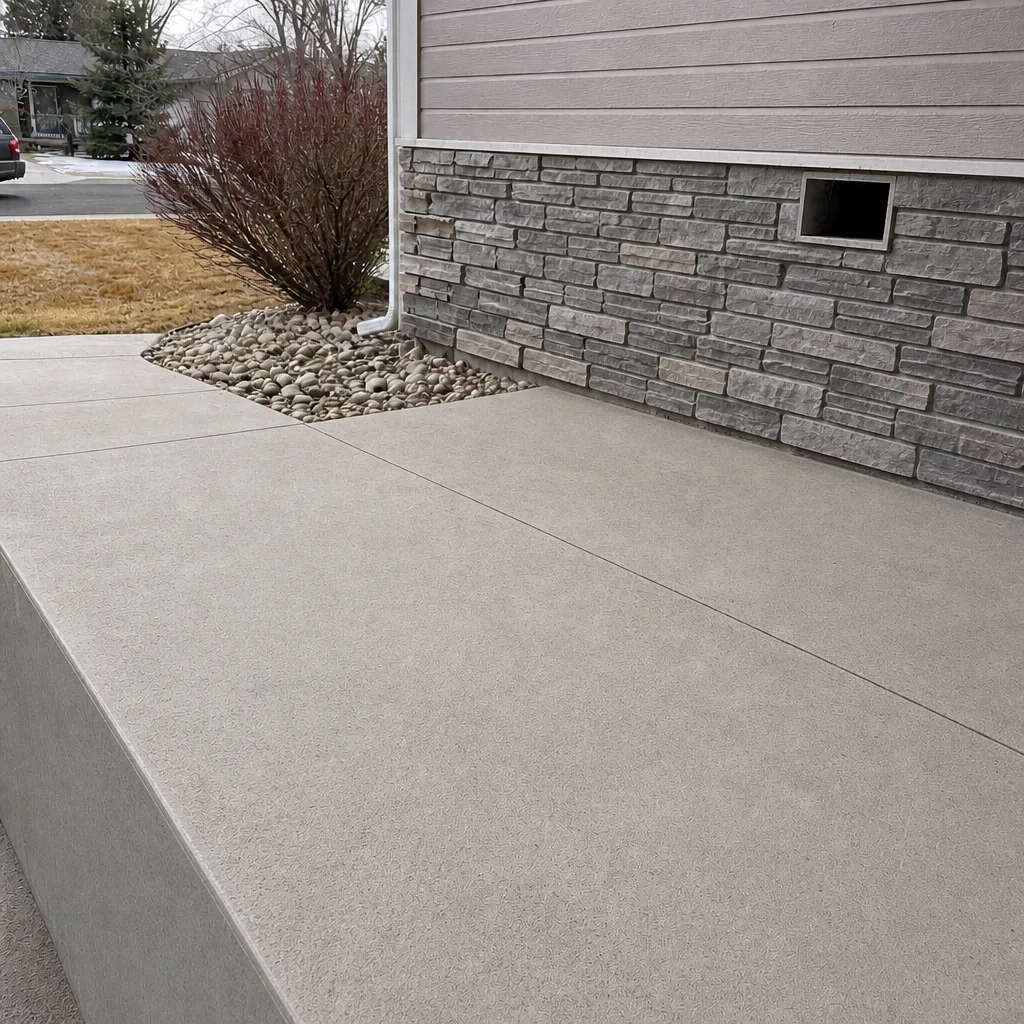
Whole-system duct and dryer vent check with before-and-after photos - you see exactly what came out of your vents
That "$99 whole-house special" is a bait ad - the real number appears once they are in your hallway, or the "clean" is a shop-vac at the register. We photograph the inside of your ducts before and after instead.
Air Duct Cleaning Troubleshooting in Fort Collins: Common Problems and How to Fix Them
If your ducts were “just cleaned” six months ago and you’re already back to dusty registers and stale air, the problem usually isn’t your ducts. It’s that a shop-vac can’t create the negative pressure required to actually extract debris from a trunk line. Most of the complaints we troubleshoot in Fort Collins – recurring dust, uneven temperatures, lingering odors – are diagnostic evidence that the job was done wrong the first time, not proof that duct cleaning doesn’t work. This guide teaches you to read your system’s symptoms the way a technician would: what each one points to, which tests you can run yourself, and when it’s time to bring in professional-grade equipment.
Quick Answer
Recurring dust, uneven airflow and musty odors after a cleaning almost always trace back to one of four causes: no negative-pressure containment during the original job, debris left in the trunk line, disconnected or crushed flex duct, or a moisture source the cleaning never addressed. Real fixes require agitation (Rotobrush), HEPA extraction (Nikro) and remediation-grade air management (Abatement Technologies) – not a shop-vac pass. A proper diagnostic visit should identify the cause before anyone quotes you a cleaning.
Styles & brands we work with
- Whole-home duct cleaning
- Dryer vent cleaning
- Camera inspection
- Sanitizing & deodorizing
Table of Contents
- How to Tell a Dirty Duct System From One That Was Cleaned Improperly
- What Negative Pressure Containment Means and Why It Explains Most Recurring Dust
- Troubleshooting Uneven Room Temperatures After Cleaning
- Musty Smells: Duct Mold vs. Drain Pan vs. Coil
- Fort Collins Climate: Why Particulate Buildup Runs Faster Here
- Dryer Vent Problems That Get Mistaken for Duct Problems
- Self-Tests You Can Run Before Calling Anyone
- When the Fix Is Repair, Not Another Cleaning
How to Tell a Dirty Duct System From One That Was Cleaned Improperly
These two problems look identical from the register. Both produce dust, both produce that gray film on the ceiling around the vent, and both make the house smell like a cardboard box. The difference lives inside the duct, and there are four tests that separate them without pulling anything apart.
- The white-glove swab. Remove a return register cover and wipe the inside of the boot with a white paper towel. If the residue is loose and powdery, the system is dirty. If it smears with a greasy film or shows a visible cloud of dust when you tap the duct wall, the previous job likely loosened debris without extracting it.
- The flashlight-down-the-trunk test. With a bright flashlight and a phone camera, look down the longest straight run visible from a register. A properly cleaned trunk is uniformly clean to the eye. A shop-vac job leaves a dust ridge along the bottom and often a visible band of debris at the transition to flex duct.
- The airflow tissue test. Hold a tissue at the register grille. If it flutters but doesn’t hold flat against the grille, static pressure is low – either a blockage or a crushed flex run. If it flutters unevenly across rooms on the same zone, distribution is compromised.
- The dust re-deposit timeline. If dust returns to horizontal surfaces in under three weeks, the source is almost always inside the duct system. If it takes three to four months, you’re probably looking at normal Fort Collins air plus outdoor infiltration.
The reason this matters: cleaning a system that wasn’t actually cleaned properly the first time is a different job than cleaning a dirty system. The first requires deeper agitation in the trunk and branches, and it requires extraction under containment. The second is more straightforward. Xfinity, Centennial, and Midtown homes on the west side of Fort Collins tend to show more re-deposit symptoms because the older ductwork in those neighborhoods often has more flex transitions where debris hides. If you want to compare symptoms against a proper process, our page on air duct cleaning walks through what a real job looks like start to finish.
What Negative Pressure Containment Means and Why It Explains Most Recurring Dust
Negative pressure containment is the simple physical principle that makes professional duct cleaning work: you pull more air out of the duct system than leaks into it, so debris moves toward the extraction unit instead of into your living room. When a contractor shows up with a shop-vac and no HEPA extraction unit, there’s no way to build that pressure differential. Debris gets agitated, floats around inside the duct, and then settles back down. Days later it blows into the bedrooms. That’s the loop.
Three things establish real containment:
- Agitation. Rotobrush brush-and-vacuum systems rotate through the duct and loosen the hard-to-reach debris on the sidewalls and floor of the trunk. Without agitation, dirt bonded to the duct lining doesn’t move.
- HEPA extraction. Nikro HEPA extraction pulls the loosened debris under negative pressure through a HEPA-filtered airstream, which is what keeps it out of your breathing air. This is the difference between “cleaned” and “extracted.”
- Remediation-grade air management. Abatement Technologies units are the equipment standard in mold and contaminant containment. Bringing that class of equipment into a residential duct job is what allows a contractor to work in a system with compromised moisture or contamination without cross-contaminating the home.
When we diagnose a reclean, the single most common finding in Fort Collins homes is a trunk with visible debris ridge remaining from a job that used a shop-vac. It took forty minutes and looked clean at the register. From inside, it’s a different story. If your last cleaning left a film or a musty smell, the containment piece is usually what was missing.
Troubleshooting Uneven Room Temperatures After Cleaning
Uneven rooms after a cleaning fall into three categories, and most homeowners get them confused. Duct issues come from airflow restriction or leakage. Damper issues come from deliberate zoning. Blower issues come from the air handler itself. Each one has a different fix, and a good diagnostic visit will tell you which you’re dealing with before you spend a dollar.
Duct issues
- Crushed or disconnected flex run. The most common finding in older Fort Collins housing stock. Flex duct in an attic or crawlspace gets stepped on, kinked, or pulled loose at a takeoff. The room furthest from the air handler gets starved.
- Leaky trunk joints. Duct tape dries out. When joints fail, the air handler pulls attic air into the system and drops delivered CFM to the far rooms.
- Undersized branch lines. Common when a room was finished later. The branch line was never resized to match heat load.
Damper issues
Check for volume dampers at the branch takeoffs and, in some homes, at the register itself. If a previous cleaning disturbed the damper positions – or if a homeowner partly closed one to fix a hot room and forgot – a closed damper will look exactly like a duct blockage. A quick walk of the system with a flashlight usually finds it.
Blower issues
If every room is slightly under-delivered but the difference between rooms is small, look at the blower. A dirty blower wheel, a failing capacitor, or a wrong-speed blower setting all reduce total airflow without being a duct problem. That’s HVAC work, not duct work, but it’s the first thing to rule out when the diagnostic shows even restriction across the system.
Our standalone air duct repair service exists precisely for the first category. Cleaning without diagnosing crushed flex runs and leaky joints is the definition of cleaning around the problem.
Musty Smells: Duct Mold vs. Drain Pan vs. Coil
A musty smell in the house after air duct cleaning almost always traces to one of three places. The duct system itself, the condensate drain pan below the air handler, or the evaporator coil. Each has a different visual signature and a different fix, and clearing up which one you’re dealing with before any work starts saves a lot of money. Here’s how we tell them apart.
| Source | Where to Look | Visual Signature | What Fixes It |
|---|---|---|---|
| Duct mold | Inside duct lining, especially in the trunk and at the coil transition | Discolored streaking, blotchy dark spots on duct liner, musty smell strongest at supply registers | Remediation-grade cleaning with Abatement Technologies positive/negative air machines and HEPA filtration |
| Drain pan | Underneath the air handler | Standing water, biofilm, slime trail, musty smell strongest at the return | Pan cleaning, drain line clearing, sometimes pan replacement |
| Evaporator coil | Behind the access panel at the air handler | Dust matted along coil fins, sometimes visible biological growth, musty smell strongest closest to the air handler | Coil cleaning by an HVAC tech; duct cleaning if surrounding ductwork is contaminated |
The order of diagnosis matters. Duct mold should be ruled in or out first, because remediation has to happen before someone cleans the coil – otherwise disturbed spores just redistribute. If a homeowner calls about a musty smell, we walk them through the locations and check the visual signature before we ever quote a job. True duct mold is a remediation job, not a cleaning job, and if it’s actually the drain pan or the coil, sending the duct crew out is a mistake.
Fort Collins Climate: Why Particulate Buildup Runs Faster Here
Fort Collins sits on the Front Range, and the specific combination of climate here changes the math on how often ducts need attention. The region’s dry air is the first factor: low humidity means dust stays airborne longer, so it travels deeper into the return system before it settles. Any particulate that reaches the duct system doesn’t get damped out near the register – it makes it into the trunk and branches.
The second factor is wildfire smoke season. Late spring through early fall, the Front Range regularly sits under smoke plumes from fires in the mountains to the west and north, and those smoke events push fine particulates into the home even with windows closed. Homes running higher-than-average filtration and mechanical ventilation move more air through the ducts, and more air means faster accumulation of the sticky residue that smoke leaves behind. We see returns in Fort Collins homes reached by smoke overwash that would take years to build up in a wetter climate.
The third factor is construction. Fort Collins has added a lot of new housing in recent years, and new construction leaves construction dust in ductwork that runs fine-particle and fine-adhesive rather than the loose drywall dust common to older homes. That material bonds to the duct lining, which means a shop-vac doesn’t lift it – it needs agitation.
A fourth factor is the seasonal pollen curve, which is compressed here into a shorter, sharper window than in coastal cities. When the cottonwood season hits, the volume of pollen entering the return system in a two- or three-week stretch can be substantial, and it tends to go into the duct lining as a sticky film. Fort Collins homeowners often tell us they noticed a persistent pollen smell after the season ended. That’s a sign it went into the ductwork and stayed.
Put together, our experience is that Fort Collins systems tend to need attention on a shorter cycle than the standard national guidance suggests – especially homes near the foothills, in Midtown, or along the foothills corridor where smoke events are strongest. The general guideline to clean every three to five years still applies to most systems, but Fort Collins-specific conditions push a lot of homes toward the shorter end of that range.
Dryer Vent Problems That Get Mistaken for Duct Problems
Half the “my whole house smells like burnt lint” calls we get aren’t about the HVAC duct system at all. They’re about the dryer vent, which is a completely separate duct run with a much faster failure timeline. The confusion is understandable: both are ductwork, both have lint, and both vent outside. But the safety stakes on the dryer vent are significantly higher, and treating it as an HVAC cleaning miss is a serious mistake.
Signs the problem is actually the dryer vent:
- Clothes take two cycles to dry and the exterior vent flap barely moves.
- The dryer cabinet is hot to the touch on the top or sides during a normal cycle.
- Lint visible around the vent termination on the exterior wall.
- The laundry room smells humid or like scorched fabric.
- Any visible crushed flexible foil or plastic transition behind the dryer, which is a known fire hazard and should be replaced with rigid or semi-rigid metal.
Lint accumulation in a dryer vent is a leading cause of residential fires, and shortcut “cleanings” that run a brush through the transition without clearing the full run to the exterior cap don’t fix the risk. Our dryer vent cleaning service is scoped separately for that reason. It’s a safety service, and it gets treated like one.
Self-Tests You Can Run Before Calling Anyone
You can narrow the problem meaningfully without any tools, and it saves a diagnostic visit when the issue turns out to be a damper or a filter. Here’s the sequence we recommend to Fort Collins homeowners who call us with symptoms and want to know whether it’s worth scheduling a diagnostic.
- Swap the filter, then re-test all rooms. A clogged filter is the cheapest explanation for weak airflow across the whole house, and it explains more “duct problems” than any other single cause. Change it and see if the symptom changes within a day.
- Walk every register with a tissue. Note which rooms hold the tissue flat and which don’t. Pattern matters: identical weakness in all rooms points to filter, blower, or trunk. Weakness in specific rooms points to branch line, damper, or takeoff.
- Find every damper. Look at the branch takeoffs near the air handler (usually short metal handles that turn) and any register-mounted dampers. Note positions before touching anything. A single closed damper can mimic a crushed duct.
- Sniff-test the air handler closet. If the musty smell is strongest inside the closet rather than at the registers, the source is more likely the drain pan or the coil, not the ductwork.
- Look at the flue and vent terminations on the exterior wall. Blocked or lint-caked terminations on either the dryer vent or the furnace intake will cause symptoms that look like duct problems.
If the filter is new, the dampers are open, the drain pan is dry, and specific rooms are still weak, you’re now in diagnostic territory. Don’t guess further.
When the Fix Is Repair, Not Another Cleaning
If your diagnostic turns up any of the following, cleaning is the wrong service and you need repair work scoped first: a crushed or disconnected flex run, a separated trunk joint, a sagging flex duct dipping below a low point where condensation collects, or a takeoff that was never sealed properly. Cleaning a system with a disconnected run is throwing money at the wrong layer of the problem, because the room it serves is getting its air from the attic, not the furnace.
Repair and cleaning should be scoped together. In a lot of Fort Collins homes we see one compromised branch line turned into a five-year-old complaint about “a cold bedroom that never got fixed.” That’s not a cleaning problem, and no amount of cleaning solves it. Our duct cleaning Fort Collins team scopes repair as a standalone service for that reason. If the duct system has a structural problem, we fix the problem, and we can clean after the repair is done without re-agitating dust into the home.
The comfortable case for repair is a simple one: if the room is measurably colder in winter or hotter in summer than the rest of the house, and the airflow at the register is genuinely weak, and it’s not a damper, the odds are high you have a physical duct issue. Cleaning won’t move the needle until the duct is reconnected or rerouted. Repair first, clean second, verify at the register.
Common Mistakes to Avoid
- Booking a re-clean before you’ve diagnosed. If you don’t know whether the last job was done properly or the system is genuinely dirty again, you’re paying twice for an answer you could have gotten in one visit. Always get a diagnostic first.
- Accepting a per-vent price. Per-vent pricing rewards a contractor for counting registers, not for cleaning the trunk line where the actual accumulation lives. Ask for a flat price per system in writing before work starts.
- Letting a contractor clean without negative pressure. If the equipment in the truck includes a shop-vac but no HEPA extraction unit, walk away. Agitation without extraction redistributes debris rather than removing it.
- Treating a musty smell as a cleaning problem. Duct mold, drain pan growth and coil growth are three different problems. Ruling them apart first is the whole point of the diagnostic step.
- Skipping the dryer vent because “the ducts were just cleaned.” The dryer vent is a separate run with a separate failure timeline. It needs its own service interval regardless of what the HVAC duct system got.
- Ignoring seasonal smoke buildup. In Fort Collins, a home that went through a heavy wildfire season can accumulate in one summer what a wetter-climate home takes years to build up. Don’t extend the service interval through a bad smoke season.
- Letting a contractor skip photos. Before-and-after photos of your own ducts are the simplest way to verify the work actually happened. A contractor who won’t take them has a reason.
See the difference
 Before
 After
 Before
 After
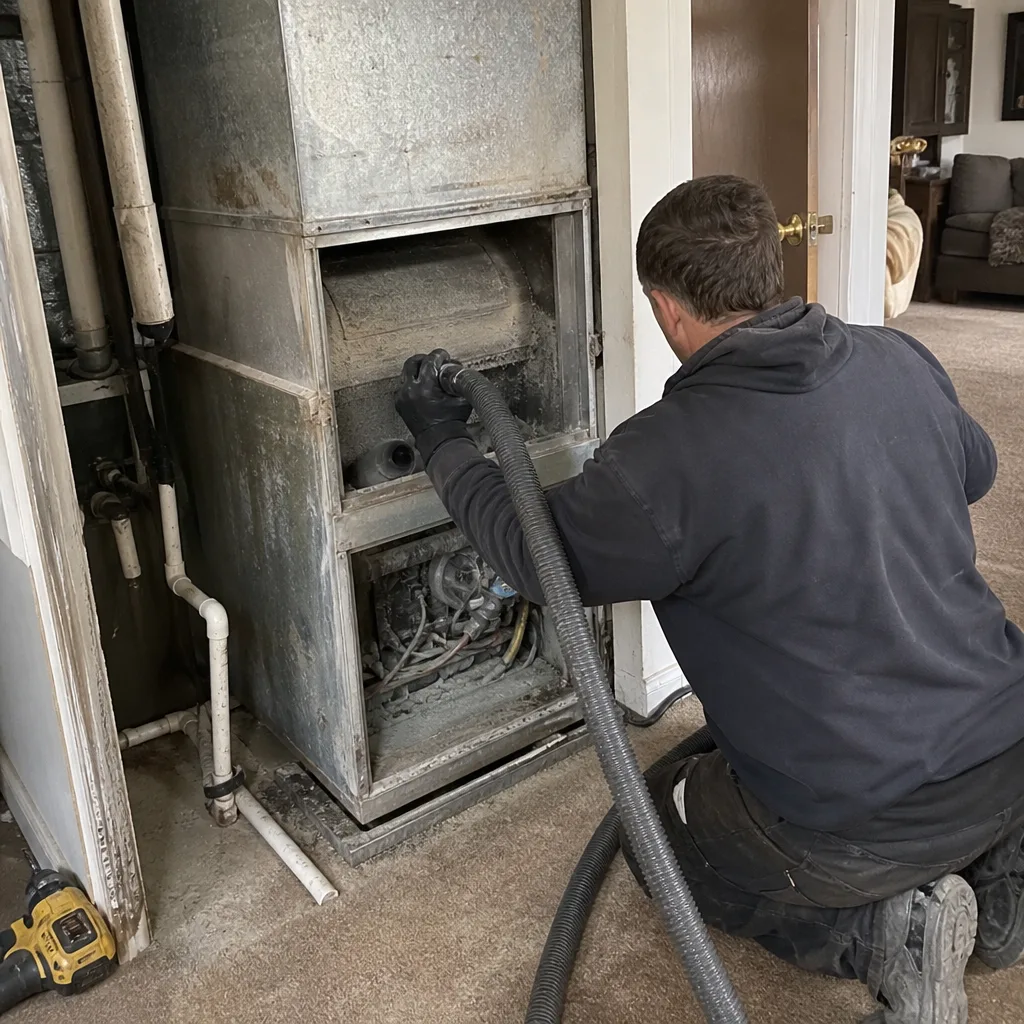 Before
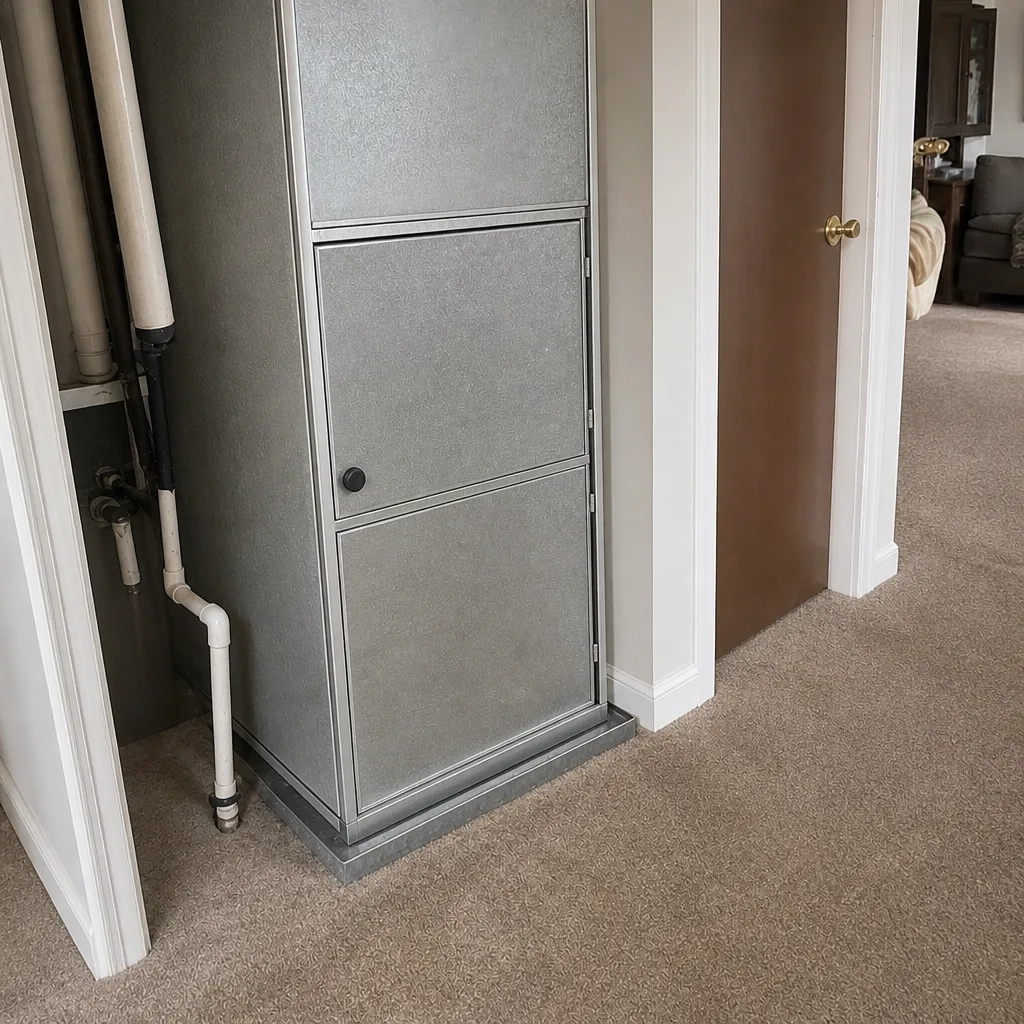 After
When to Call a Professional
Call us when you’ve confirmed: recurring dust returns to surfaces in under three weeks, specific rooms are measurably warmer or cooler than the rest of the house and the dampers aren’t the cause, a musty smell is strongest at the supply registers rather than the air handler closet, the dryer takes two cycles to dry clothes, or a contractor previously cleaned the system and the problem came back. Those are the diagnostic-worthy scenarios. Call (844) 834-5984 for a free estimate. We answer 24/7. Fast dispatch from 7am to 7pm, Sunday through Friday. We serve Fort Collins with Rotobrush, Nikro and Abatement Technologies equipment, and we scope repair and cleaning as separate services so you’re never paying for the wrong one.
Frequently Asked Questions
Whole-system cleaning typically runs a few hundred dollars per system, priced as one flat price per system rather than per vent. Cheaper quotes usually mean the contractor is pricing registers, not the trunk line, and that’s the difference you pay for twice. The written estimate sets the final price. Call (844) 834-5984 for an exact quote – estimates are free.
Cheap quotes are usually cheaper because they skip the equipment that makes cleaning work: no HEPA extraction, no agitation tooling, no containment. A shop-vac agitates debris. A truck-mounted vacuum without agitation on the trunk moves air but doesn’t remove bonded debris. Our one flat price per system includes the equipment class a proper job requires, so it’s a different service, not a discount on the same one. Call (844) 834-5984 – estimates are free.
Ask for before-and-after photos of your own ducts – not stock photos. A technician using Rotobrush and Nikro equipment takes photos at the register, inside the trunk line, and at the coil transition. If your contractor can’t show you your own ducts, you have your answer. We provide before-and-after photos as part of every job. Call (844) 834-5984 for a free estimate.
For most Fort Collins systems, three to five years is a reasonable interval. Homes through heavy wildfire smoke seasons, homes near the foothills, homes with pets or anyone with respiratory sensitivity, and new construction with residual construction dust should be on the shorter end of that range. Size up the interval by symptoms, not by the calendar alone. Call (844) 834-5984 for an exact assessment.
We can narrow it on the phone before scheduling. The signature we ask about is simple: strongest smell at the supply registers points to the ducts, strongest smell in the air handler closet points to drain pan or coil. If the ducts are the source, Abatement Technologies equipment is what lets us remediate without cross-contaminating the home. Call (844) 834-5984 for a free estimate.
Cleaning removes accumulated debris from a duct system that’s properly connected. Repair fixes crushed, disconnected or leaking ductwork before cleaning can work. If your weak-airflow bedroom has a crushed flex run, cleaning doesn’t help until the duct is reconnected. We scope them as separate services so the right problem gets the right fix. Call (844) 834-5984 – estimates are free.
The Bottom Line
The symptoms most homeowners blame on their ducts – recurring dust, cold rooms, musty smells, weak airflow – are usually diagnostic evidence, not verdicts. Read them the way a technician would: test the filter first, walk every register, find every damper, sniff the air handler closet, and only then decide between cleaning, repair, or remediation. In Fort Collins, wildfire smoke seasons, dry air that keeps particles airborne, and construction dust in newer housing stock push systems toward a shorter service interval than standard national guidance suggests. The right fix starts with a diagnostic. The right contractor uses Rotobrush, Nikro and Abatement Technologies equipment, names their tools, takes before-and-after photos of your own ducts, and quotes one flat price per system before any work starts.
When you’re ready for a real diagnosis, call Duct Cleaning Fort Collins at (844) 834-5984 for a free estimate. We answer 24/7. Fast dispatch from 7am to 7pm, Sunday through Friday. Cleaning, repair, and dryer vent work are scoped as three distinct services so you’re not paying for a job that doesn’t fix your problem. If you want the broader picture of ducts in this city, our Fort Collins page covers the local service area. And if you’re looking at the full range of what we do, our duct cleaning Fort Collins page is the place to start.
Written by the team at Duct Cleaning Fort Collins.