
Last updated November 15, 2026
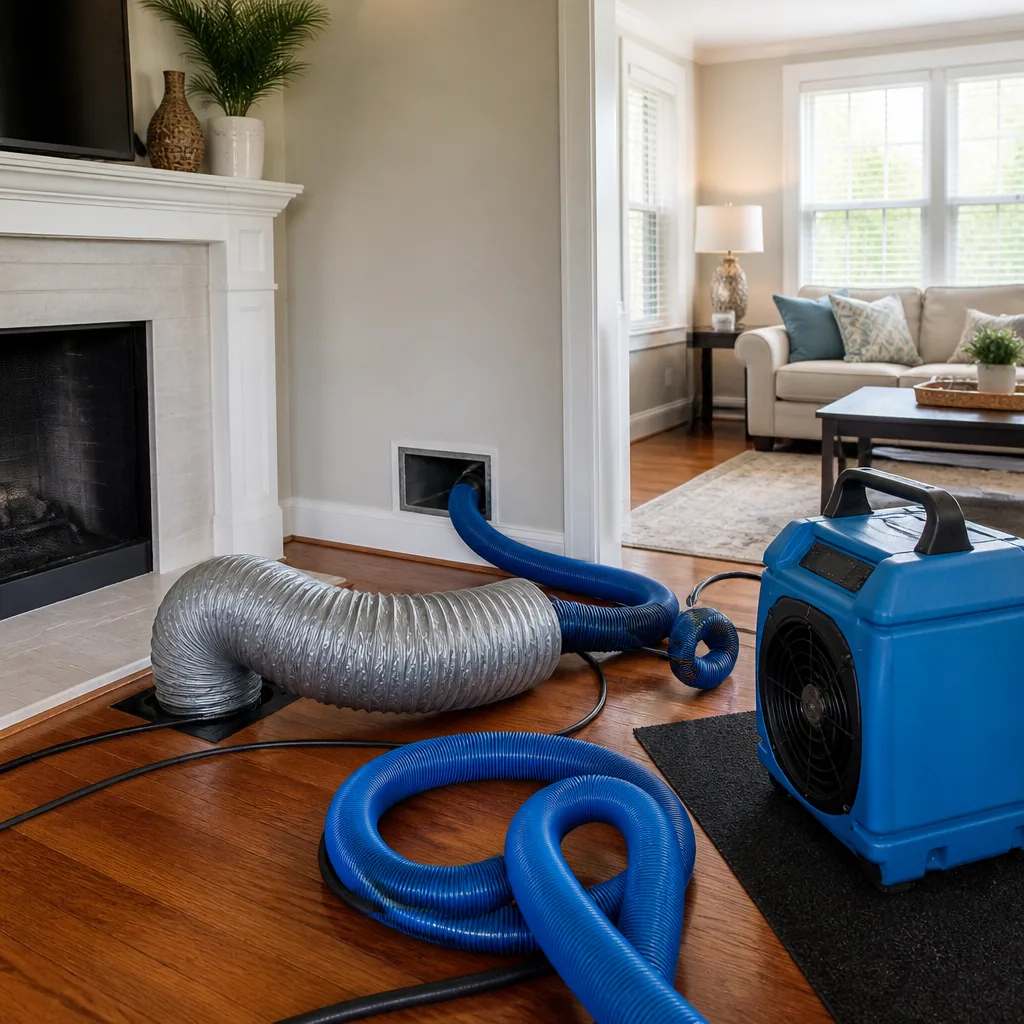 Whole-home duct cleaning
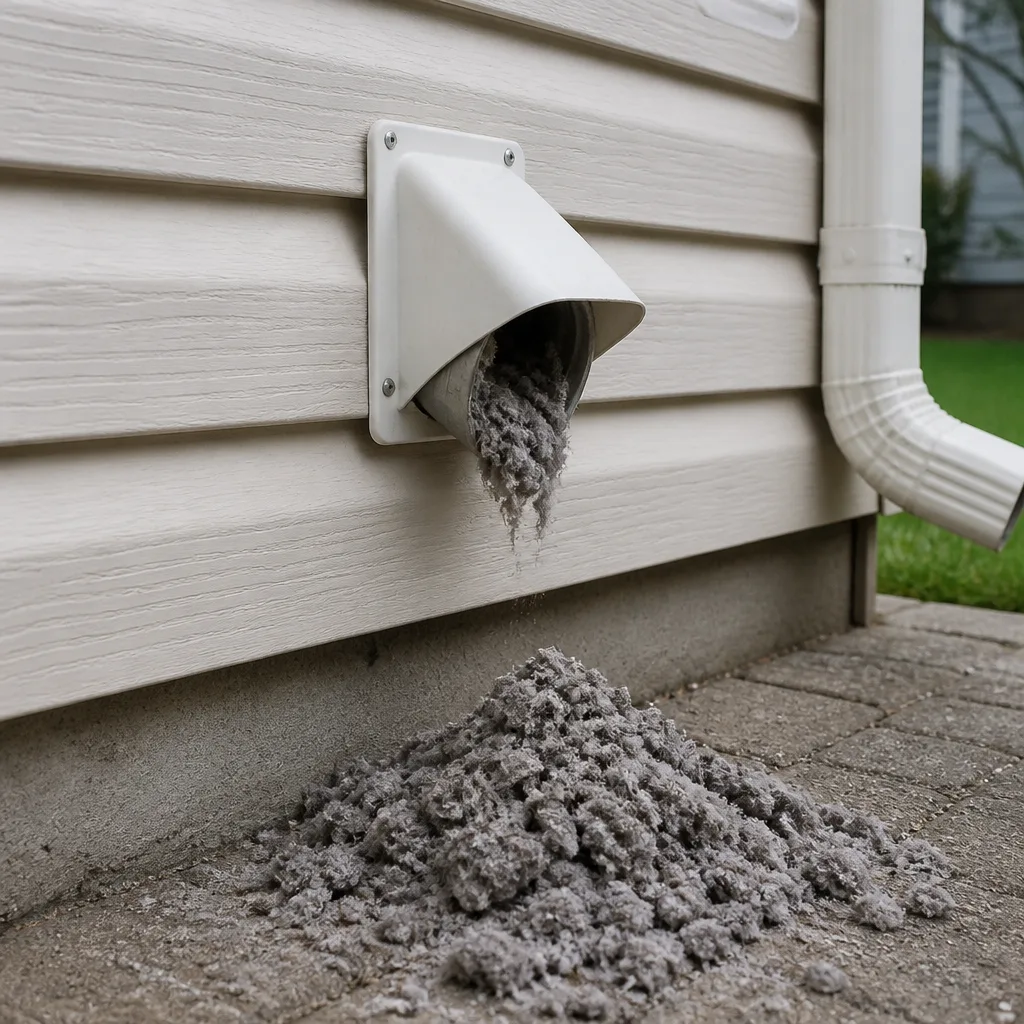 Dryer vent cleaning
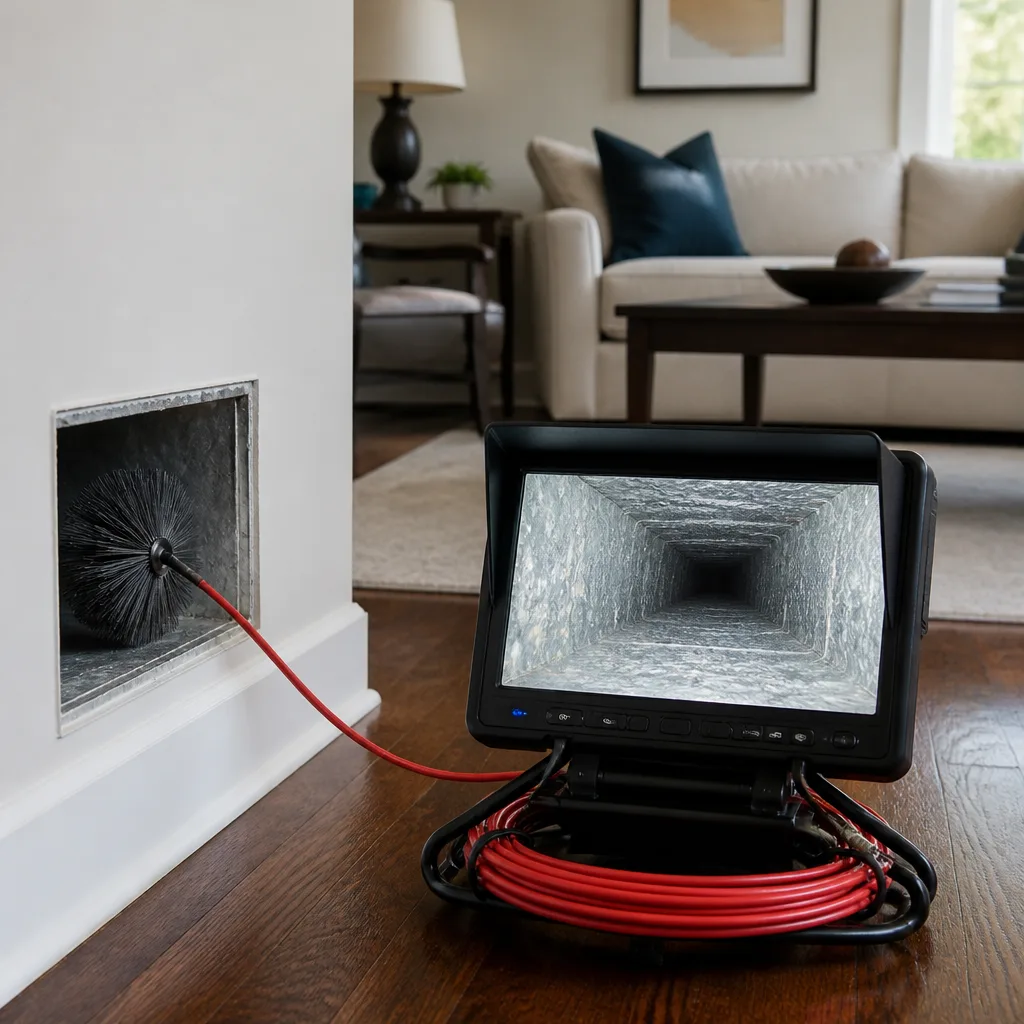 Camera inspection
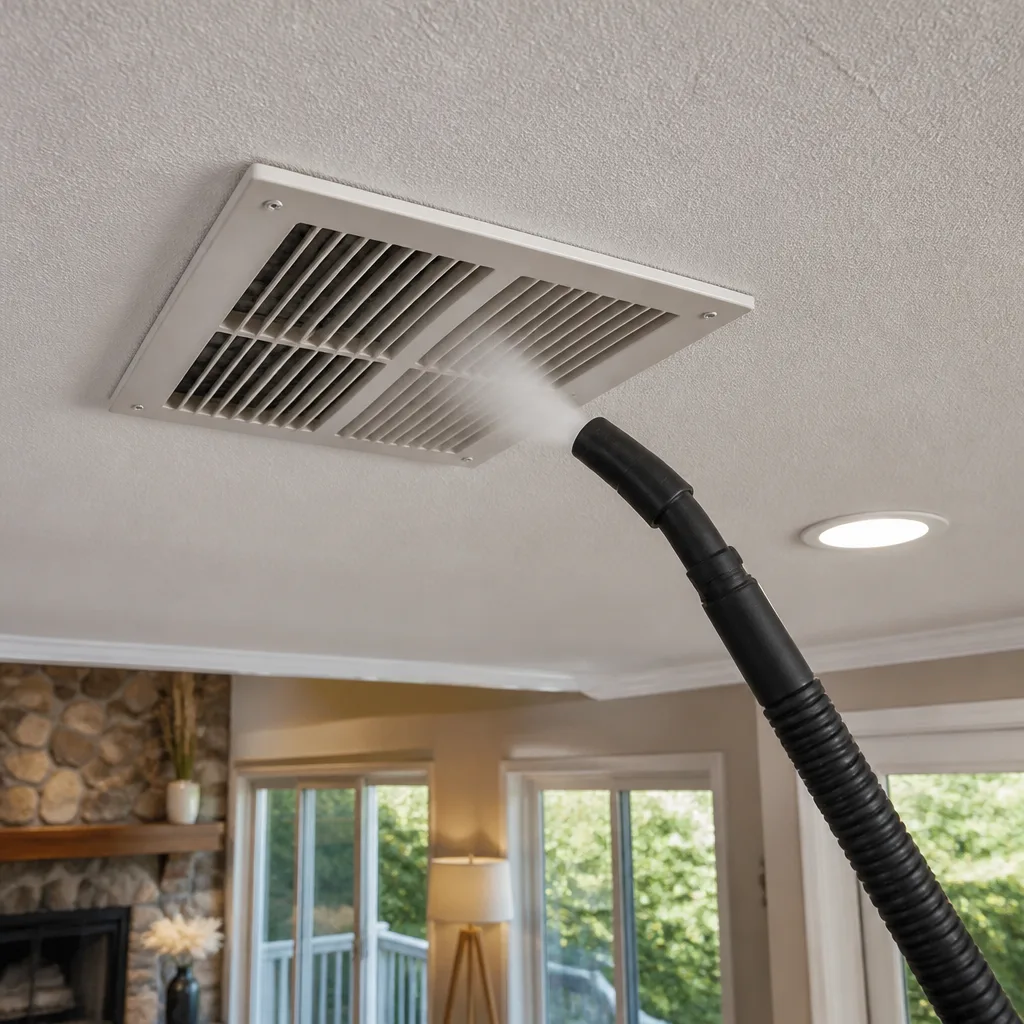 Sanitizing & deodorizing
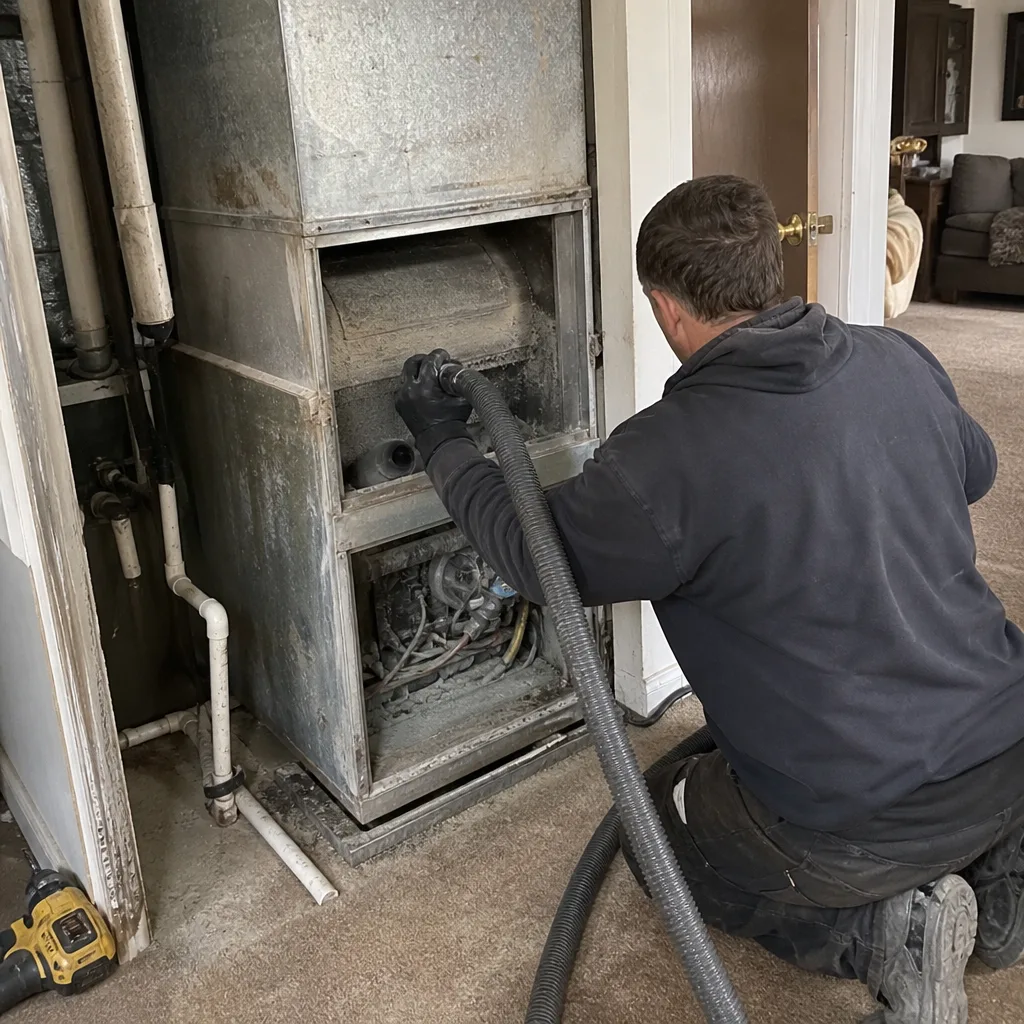
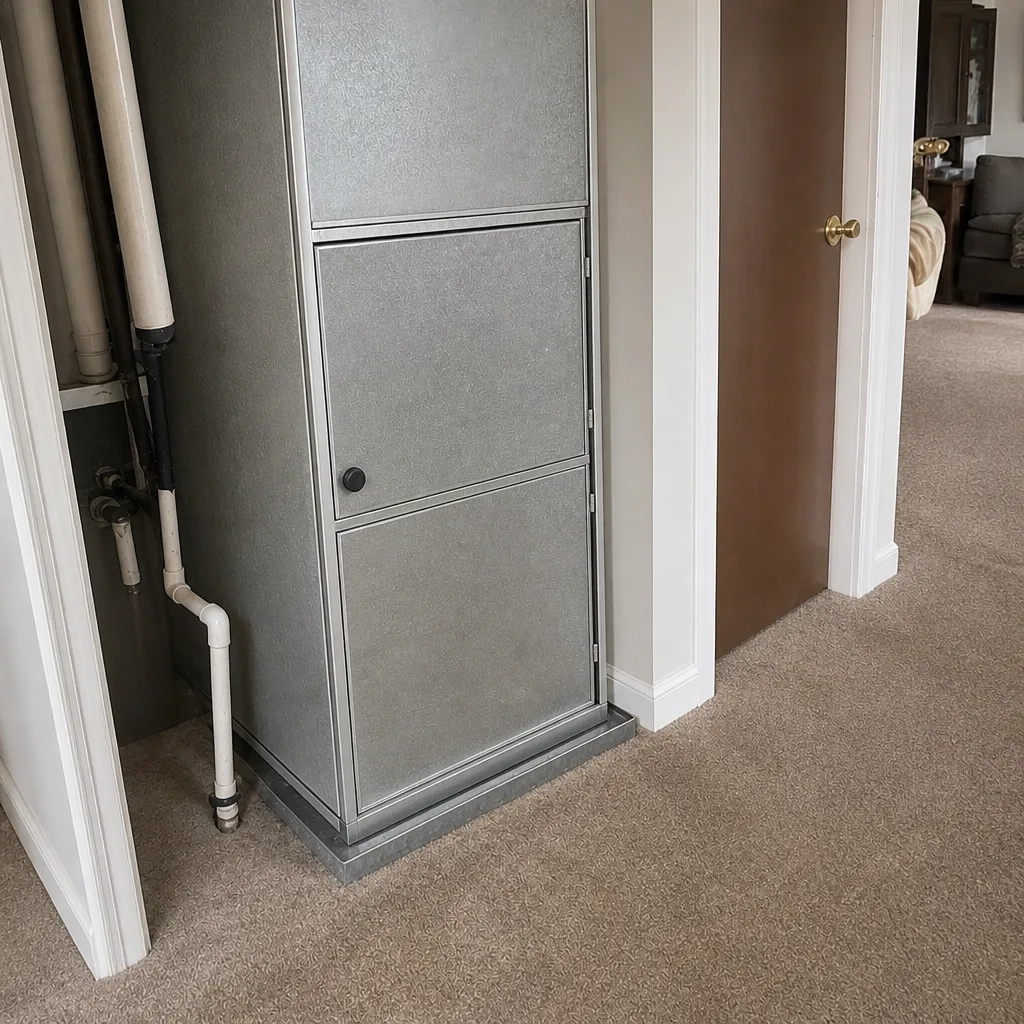
Whole-system duct and dryer vent check with before-and-after photos - you see exactly what came out of your vents
That "$99 whole-house special" is a bait ad - the real number appears once they are in your hallway, or the "clean" is a shop-vac at the register. We photograph the inside of your ducts before and after instead.
Choosing the Right Air Duct Cleaning Brand: A Buyer’s Guide for Fort Collins
A recognizable name on the side of a van tells you almost nothing about what happens inside your ducts. The counterintuitive part of this trade is that brand is a marketing asset, not a technical specification, and the two don’t always line up. A heavily advertised franchise can arrive with a portable unit running near or past the ceiling its own manual sets, while an independent operator working out of an unmarked vehicle can show up with extraction equipment built for industrial remediation. This guide teaches you how to read the equipment, not the logo, so you can hire with confidence in Fort Collins. You’ll learn what the spec sheet means, how to audit it before you book, and how to verify the work after the crew leaves.
Quick Answer
The best air duct cleaning company in Fort Collins is the one that can show you a written equipment specification, works within the capacity that equipment supports, and follows a documented process you can verify afterward. A recognizable franchise name is not evidence of better cleaning. The CFM rating, filter class, agitation system, and negative-pressure setup on the contractor’s equipment sheet are the evidence. Ask for that sheet before you hire, then confirm the result with a simple post-service test.
Styles & brands we work with
- Whole-home duct cleaning
- Dryer vent cleaning
- Camera inspection
- Sanitizing & deodorizing
Table of Contents
- Why Brand Reputation Doesn’t Guarantee Clean Ducts
- The Equipment Specification Audit: How to Request and Read It
- What “Commercial-Grade Equipment” Actually Means
- Franchise vs. Independent: What Each Model Gets Right and Wrong
- Using the NADCA Directory as a First Filter, Not the Last Word
- The Post-Service Verification Test
- Questions to Ask Before You Book
- Cleaning vs. Repair: Why Scope Matters in Fort Collins Homes
Why Brand Reputation Doesn’t Guarantee Clean Ducts
Franchise advertising works because it’s consistent. The logo looks the same in Fort Collins as it does in a suburb three states away, the pricing structure is standardized, and the phone script is written to reassure. That consistency is real, but it’s consistency of a business model, not of cleaning power. The same standardized package that makes a franchise easy to hire also constrains the equipment it carries. Portability gets prioritized because the units have to fit in any van and be handled by any tech. That tradeoff shows up in the spec sheet.
The practical consequence is that a homeowner comparing two quotes may be comparing a household portable unit against a brush-and-vacuum system built for a larger home. If both arrive in the same kind of van and both wear a clean uniform, the quote looks equal. It isn’t. That’s the entire reason this guide exists: to help you see the equipment difference that marketing hides.
There’s a second reason brand doesn’t predict outcome. Every reputable contractor in Fort Collins faces a specific set of conditions: a dry climate with a long heating season, dense new construction in some areas, and older homes near the foothills where original sheet metal ducts have had decades to accumulate debris, develop gaps, or draw in attic air. A brand name doesn’t diagnose any of that. A technician with up-to-date equipment and a process does.
What a name on the van does tell you
To be fair to franchises, a recognized name tends to signal that certain baseline practices are in place. That’s worth something. Where it stops being useful is when you assume brand equals tool quality. Those are different questions, and you should ask them separately.
The Equipment Specification Audit: How to Request and Read It
You can ask any contractor for an equipment data sheet before you hire, and a confident one will send it without drama. The sheet is a technical document, but you don’t need an engineering background to read the four numbers that matter. Below is how to do it.
Step 1: Ask in writing for the equipment sheet
Send a short email or ask over the phone for the make and model of the extraction unit, the agitation tool, and the containment equipment the technician will bring. Don’t ask “what equipment do you use?” Ask for the model number. Vague answers are your signal to slow down. Named equipment you can look up yourself is the standard the industry should be held to, which is why we’ll name ours without being prompted: Rotobrush brush-and-vacuum systems for agitation, Nikro HEPA extraction for capture, and Abatement Technologies containment units for remediation-grade air management. Look up any of those names. The specs are public.
Step 2: Match CFM to your home’s size
CFM stands for cubic feet per minute, and it’s the airflow volume the extraction unit can move. Underpowered units can’t maintain the airflow needed to pull debris out of a run of flex or sheet metal duct, so they knock dust loose and leave it in the system. The house size a unit is rated for should be on the spec sheet. If the unit lists a maximum square footage below your home’s footprint, that’s your cue to ask a direct question. A skilled operator will be honest about what the equipment can and cannot do, and may bring additional units or a different tool for a larger home.
Step 3: Check the filter class
Contractors vary here, and the difference matters. A standard filter captures larger particles but lets fine dust through, which means some of what gets agitated comes right back into the home’s air. HEPA class filtration is what separates a serious operator from a fast one. The 0.3 micron standard is the recognized benchmark, and a HEPA-class unit on the spec sheet tells you the equipment is built to trap what most units let pass.
Step 4: Confirm negative pressure
Negative pressure means the containment setup keeps air moving into the extraction system rather than into your living room. On the equipment sheet, look for HEPA extraction in combination with a containment unit. That pairing is what commercial remediation contractors use when they can’t risk spreading contaminants through a building. Abatement Technologies units are built for exactly that purpose, and seeing them named on a spec sheet is a strong sign the operator thinks about containment, not just suction.
Step 5: Ask what the agitation system looks like
Extraction alone won’t lift debris that’s stuck to duct walls. The agitation tool is what breaks it loose: a rotating brush, a whip, or a compressed-air tool. Brush-and-vacuum systems like the Rotobrush line combine agitation with simultaneous capture, which keeps loosened debris from escaping before it can be extracted. Ask which method the operator uses on supply runs, return runs, and the main trunk. The answer tells you as much as the equipment sheet.
What “Commercial-Grade Equipment” Actually Means
That phrase is used loosely, so it’s worth pinning down. In the duct cleaning trade, commercial-grade equipment refers to tooling built for larger air volumes, finer filtration, and stricter containment than the residential portable units most consumers picture. The three specifications below are the practical dividing lines.
- Airflow capacity: Commercial units move substantially more CFM than household portables. More airflow means debris can be carried all the way to the filter rather than loosened and left behind. The match between unit capacity and home size is the whole point.
- HEPA filtration: Industrial remediation work requires HEPA-class capture, and the recognized benchmark is 99.97% at 0.3 microns. A standard filter does not meet that standard, and it’s the reason fine dust sometimes shows back up after a low-cost cleaning.
- Negative-pressure containment: In remediation, you never want the extraction system to lag the agitation tool, or contaminants escape. Containment units maintain the pressure differential that keeps everything moving toward the filter. This is the part residential-grade operators most often skip.
Our team sees these three specifications as the clean dividing line, which is why we name the equipment we work with rather than describing it vaguely. Nikro HEPA extraction, Rotobrush agitation, and Abatement Technologies containment are all independently verifiable. If another contractor won’t name the equipment, you now know what to ask for.
Franchise vs. Independent: What Each Model Gets Right and Wrong
Neither model is automatically better. The useful exercise is knowing what each tends to do well so you can weigh the tradeoffs against what matters in your home.
Where franchises standardize well
Franchise models tend to get the boring-but-important stuff right: training protocols, liability insurance, and a documented customer process. A franchise owner protected by a national insurance policy and following a written training manual is very likely a careful operator. That baseline is genuinely valuable, especially if you’re a property manager responsible for multiple units.
Where franchises get constrained
The same standardization that produces reliable training also standardizes equipment. The franchise system needs a unit that fits in any van and can be handled by any technician, which pushes toward portability over power. When that same equipment gets booked into a home larger than the unit’s rated capacity, the operator may not even notice, and the homeowner won’t be told. That’s the real risk: a clean-looking visit that under-delivers on the actual cleaning.
Where independents win and where they slip
Independent operators can invest in the equipment that makes sense for the work, not the equipment that fits the brand template. That freedom is why some independents carry industrial-grade extraction and containment gear. The tradeoff is that independents vary widely. Without a franchise to enforce baseline practice, an independent’s quality depends entirely on how seriously they take the craft. That’s why the equipment audit matters more when you hire independent: you have to do that second-pass check yourself.
Using the NADCA Directory as a First Filter, Not the Last Word
The National Air Duct Cleaners Association maintains a directory of member firms, and it’s a sensible starting point. Membership signals that a contractor has committed to an industry association’s standards and code of ethics. For a homeowner starting from zero, the directory is a reasonable filter for the first pass.
But the directory doesn’t grade equipment. A firm can be an active member and still operate underpowered units, or standard filters, or no containment setup. That’s not a knock on NADCA; it’s simply the limits of what any membership list can verify. Use it to build a shortlist, then apply the equipment audit as the second-pass qualifier. The directory narrows the field. The equipment sheet tells you who actually cleans to the standard the membership implies.
How to run the two-pass process
- Pull a shortlist from the directory and from local referrals in Fort Collins.
- Email each candidate for the equipment model sheet and the agitation method.
- Compare CFM ratings against your home’s square footage.
- Confirm HEPA filtration and, if the contractor uses one, the containment unit.
- Ask which product lines they service and support for indoor air quality equipment.
- Request the before-and-after documentation they provide for every job.
That last item separates operators. An operator who photographs the inside of your ducts before and after the work is showing you what happened. An operator who doesn’t is asking you to take it on faith.
The Post-Service Verification Test
The hiring decision doesn’t end when the crew leaves. You can check the quality of the work in the weeks afterward with three simple observations. None of them require special tools.
1. The register swab test
Wait a day or two, then run a clean white cloth or paper towel along the inside of a few supply registers. You should pick up little to no visible debris. If the cloth comes back heavily grey or gritty, ask the contractor to come back and re-check the runs. A proper cleaning leaves the registers visibly cleaner. This test is especially useful in Fort Collins homes where the heating season runs long and dust settles fast.
2. The airflow comparison
Hold a piece of tissue in front of each supply register and watch how it moves. You’re not measuring airflow scientifically, but you are comparing registers to each other. If one register is noticeably weaker right after cleaning than the rest, that’s worth a call. Uneven airflow can point to a blocked or collapsed run. It’s also the kind of thing an honest operator wants to know about.
3. Filter loading rate
Note the date you installed a fresh furnace filter right after cleaning, then check it at two weeks and again at four. A filter that loads up faster than usual can mean residual dust is still working its way through the system, which happens when cleaning under-delivers. If that’s the case, ask the contractor to return and inspect the trunks and main runs. A filter that stays reasonably clean tells you the system was cleared properly.
Questions to Ask Before You Book
Here’s a short list you can copy into a message and send to any duct cleaner you’re evaluating. The answers, or the hesitation, tell you a lot.
- What is the make and model of the extraction unit you’ll bring, and what square footage is it rated for?
- Does the unit use HEPA filtration? What’s the filter class?
- What agitation tool do you use on supply and return runs?
- Do you set up negative-pressure containment, and with what equipment?
- Do you provide before-and-after photos of the inside of my ducts?
- If you find gaps, collapsed runs, or disconnected joints, do you repair them, or do you only clean?
- Do you service and support indoor air quality equipment like filtration, humidification, or UV components?
Notice that question six addresses a real gap in this market. Cleaning a duct system that has structural problems just spreads dust through compromised runs. That’s why we offer air duct cleaning and Air Duct Repair as separate, standalone services. If a technician finds a compromised return trunk or a disconnected flex run, they can tell you what it is and what it costs to fix, not just clean around it.
Why brand-name IAQ components matter
Question seven is where brand actually earns its keep, but on the product side, not the contractor side. If your home has indoor air quality equipment installed, the contractor who services it should know the make. We work with and service Honeywell and Aprilaire components, which means we can clean the duct system and check the filtration or humidification gear in the same visit. That’s practical for health-conscious homeowners who want a single coordinated service, not two separate contractors.
Cleaning vs. Repair: Why Scope Matters in Fort Collins Homes
A duct cleaning company that only cleans is constrained, and not in a way most homeowners realize at booking. Duct systems develop problems over time: failed mastic at seams, crushed flexible runs, disconnected joints, gaps where trunks meet registers. Cleaning a system with those problems can leave the underlying issue untouched. The right hire is one that can diagnose and repair what it finds.
The Fort Collins climate and housing stock make this concrete. The long, dry heating season pulls dust and debris through the system at a steady pace. Homes near the foothills often have original metal ducts that have seen many seasons, while newer construction adds its own quirks in how runs are routed and sealed. Older sheet-metal systems and newer flexible systems handle the same cleaning tools differently. A technician who knows how to inspect both and fix what’s broken is worth more than one who only vacuums.
One service, then another, with no scope creep
Our three services are deliberately narrow: Air Duct Cleaning, Dryer Vent Cleaning, and Air Duct Repair. That’s it. We don’t sell a bundle that pads the invoice, and we don’t turn a cleaning visit into an upsell. If your dryer vent needs work, that’s a separate, focused service because it’s a separate, focused risk. If a run needs repair, we quote it separately. You always know exactly what you’re hiring.
Common Mistakes to Avoid
- Booking on the price alone. A low quoted price usually reflects a smaller unit, a thinner filter, and less time on the job. Ask what equipment is coming and how long the technician will actually be in the system.
- Treating a known franchise name as a quality check. The name tells you the business model. The equipment sheet tells you the cleaning. Ask for both and evaluate them separately.
- Skipping the negative-pressure question. This is the most common equipment gap in residential cleaning, and it’s the one that lets fine dust spread to other rooms. Always ask about containment.
- Assuming cleaning fixes structural problems. Gaps, disconnected joints, and crushed runs don’t self-seal. In Fort Collins’ older neighborhoods near the foothills, this comes up more often than homeowners expect.
- Ending the job at the front door. The register swab test, the airflow comparison, and the filter loading check cost nothing and tell you whether the work matched the promise.
- Forgetting the dryer vent. A dryer vent is a fire risk, and treating it as an afterthought is a mistake. It deserves its own dedicated service and its own schedule.
- Not asking about product lines for IAQ equipment. If you have a humidifier, filtration system, or UV component in your home, the ducts and the equipment should be checked by a contractor familiar with both.
See the difference
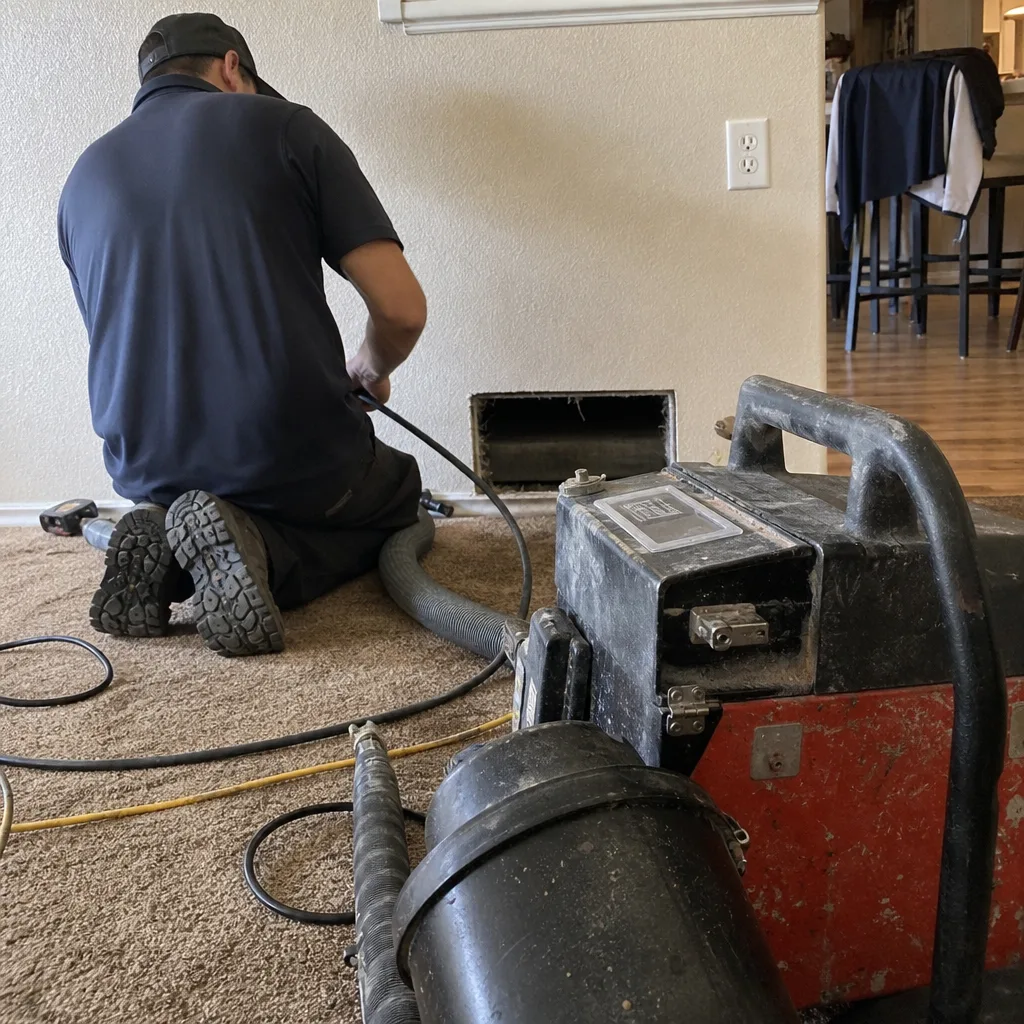 Before
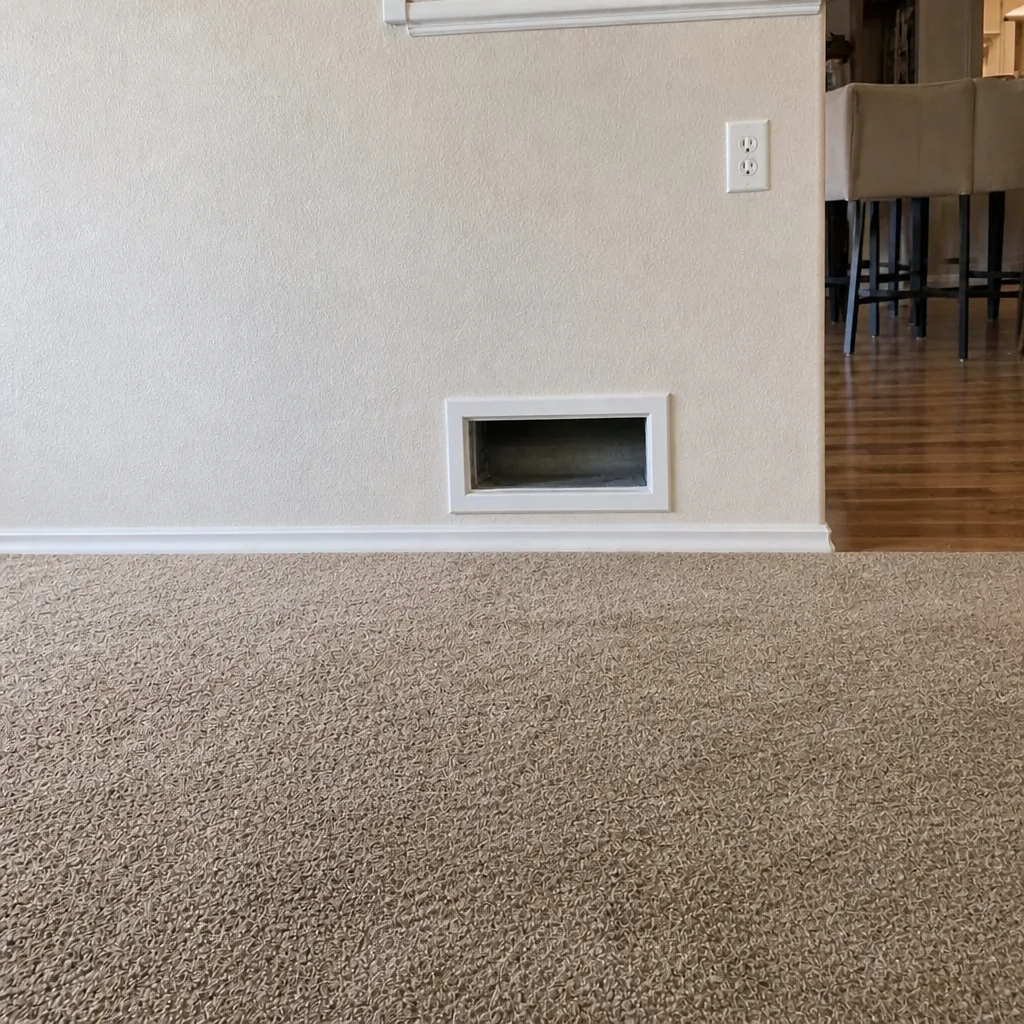 After
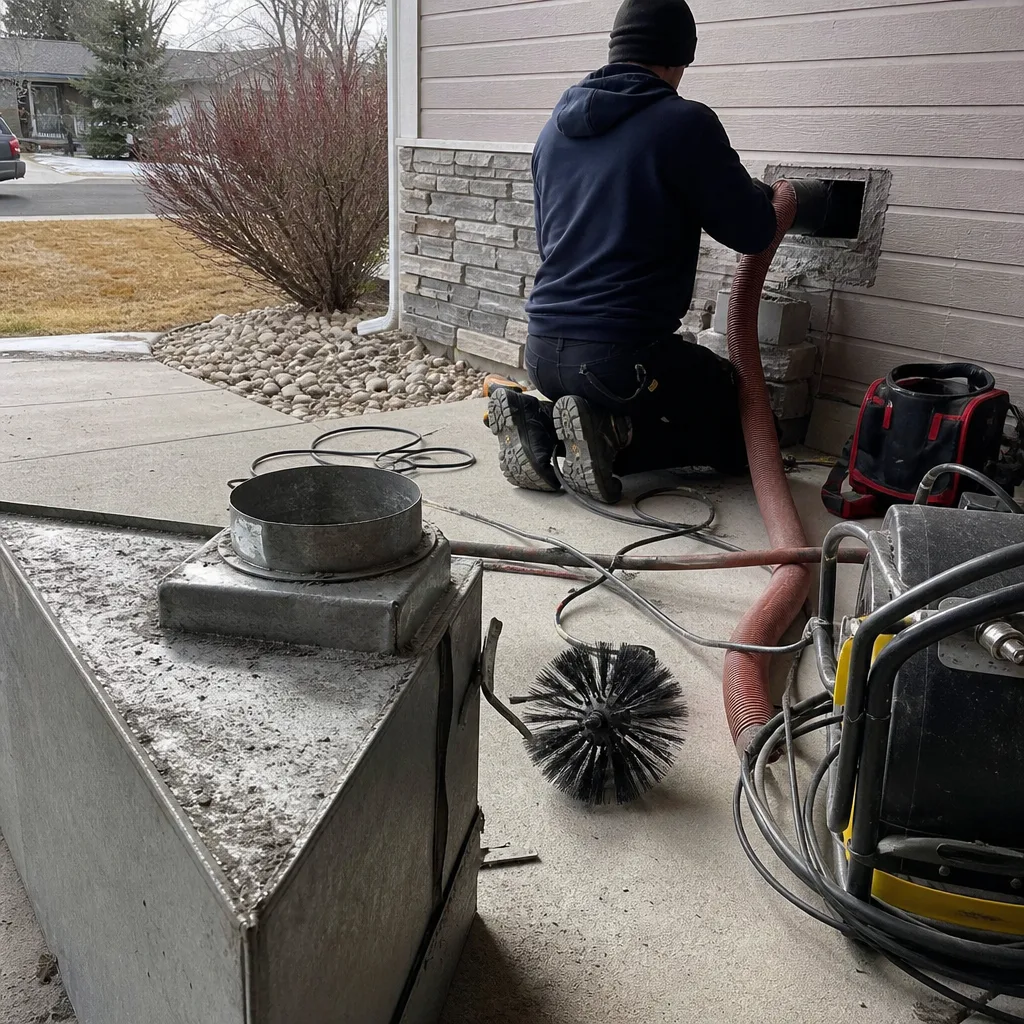 Before
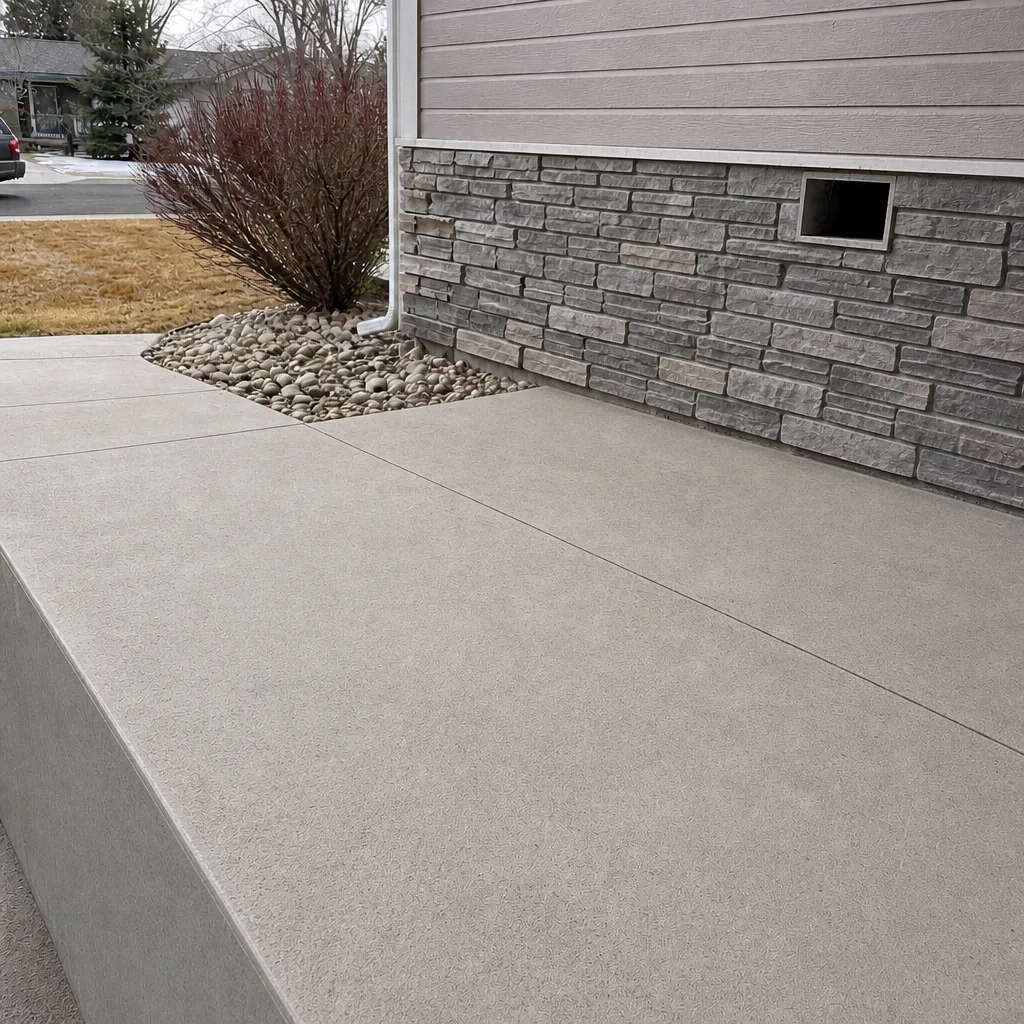 After
 Before
 After
When to Call a Professional
Call a professional duct contractor when you notice these signs. Visible dust near supply registers soon after cleaning. Uneven airflow room to room. A burning or musty smell when the heat runs. A dryer that takes noticeably longer to dry a load. Recent renovations where drywall dust and debris may have entered the system. A property manager preparing a rental turnover who wants documentation of the system’s condition. Health-conscious homeowners looking to improve indoor air quality alongside the cleaning itself.
The call itself should be your final filter. A contractor who answers equipment questions without defensiveness is the one to book. Duct Cleaning Fort Collins offers free estimates in Fort Collins. Call (844) 834-5984. We answer 24/7. Fast dispatch from 7am to 7pm, Sunday through Friday.
Frequently Asked Questions
Cost depends on the size of the system, the number of runs, and whether repairs are needed, so an exact number comes from the on-site estimate. A whole-system cleaning is priced as a single flat job, not by the vent, and the written estimate sets the final price. Call (844) 834-5984 for an exact quote. Estimates are free.
Cheaper quotes reflect cheaper equipment: smaller extraction units, standard filters instead of HEPA-class capture, and no negative-pressure containment. The math is simple: a portable unit and a thin filter cost a fraction of what industrial remediation gear costs, and the difference shows up in how much debris actually leaves the system. Ask for the equipment model before you compare prices. Call (844) 834-5984 for a written estimate.
Take before-and-after photos of the inside of your ducts, or ask the contractor to provide them. Then check the work yourself: swab inside a few registers, compare airflow across supply registers, and watch how quickly a fresh furnace filter loads up. A proper cleaning leaves visible results. Call (844) 834-5984 if you want a walkthrough of what to look for.
Most homes in Fort Collins benefit from a cleaning every few years, and more often if you have pets, allergies, recent renovations, or a long heating season that keeps the system running. The condition of your system matters more than a fixed schedule. A technician inspecting the ducts can tell you what your home needs. Call (844) 834-5984 to schedule an inspection.
Yes, the equipment specification matters more than the company name for cleaning outcomes. The CFM rating, filter class, agitation system, and containment setup determine whether the work reaches the standard. That’s why we name our equipment: Rotobrush, Nikro, and Abatement Technologies, all independently verifiable. Call (844) 834-5984 to ask about our equipment before you book.
Yes. We work with Honeywell and Aprilaire indoor air quality components and can service them alongside the cleaning. That covers the whole air path in a single coordinated service. If a component needs repair or replacement, we’ll tell you what it is and quote it before we do anything. Call (844) 834-5984 for a free estimate.
The Bottom Line
Brand is a marketing variable, and it doesn’t predict the quality of the cleaning you’ll get. The spec sheet does. Ask for the equipment model, check the CFM rating against your home’s size, confirm HEPA filtration and containment, and look for a contractor who can repair ductwork as well as clean it. Then verify the work yourself with a register swab, an airflow comparison, and a filter check. When you’ve narrowed the field, call the contractor who answers equipment questions without flinching. That’s the hire that keeps your ducts clean and your air healthy in Fort Collins.
Our team works with commercial-grade equipment in your home’s ductwork, not a glorified shop-vac, because the tools are the difference between a thorough cleaning and a surface pass. We name our tools because we’re proud of them. We also repair what’s broken, and we treat your dryer vent like the fire risk it is. For dryer vent cleaning or a full inspection in Fort Collins, get a free estimate and see the process up close. Read more about our duct cleaning Fort Collins standards, and call (844) 834-5984. We answer 24/7. Fast dispatch from 7am to 7pm, Sunday through Friday. Our technicians have up to 12 years of experience.
Written by the team at Duct Cleaning Fort Collins.